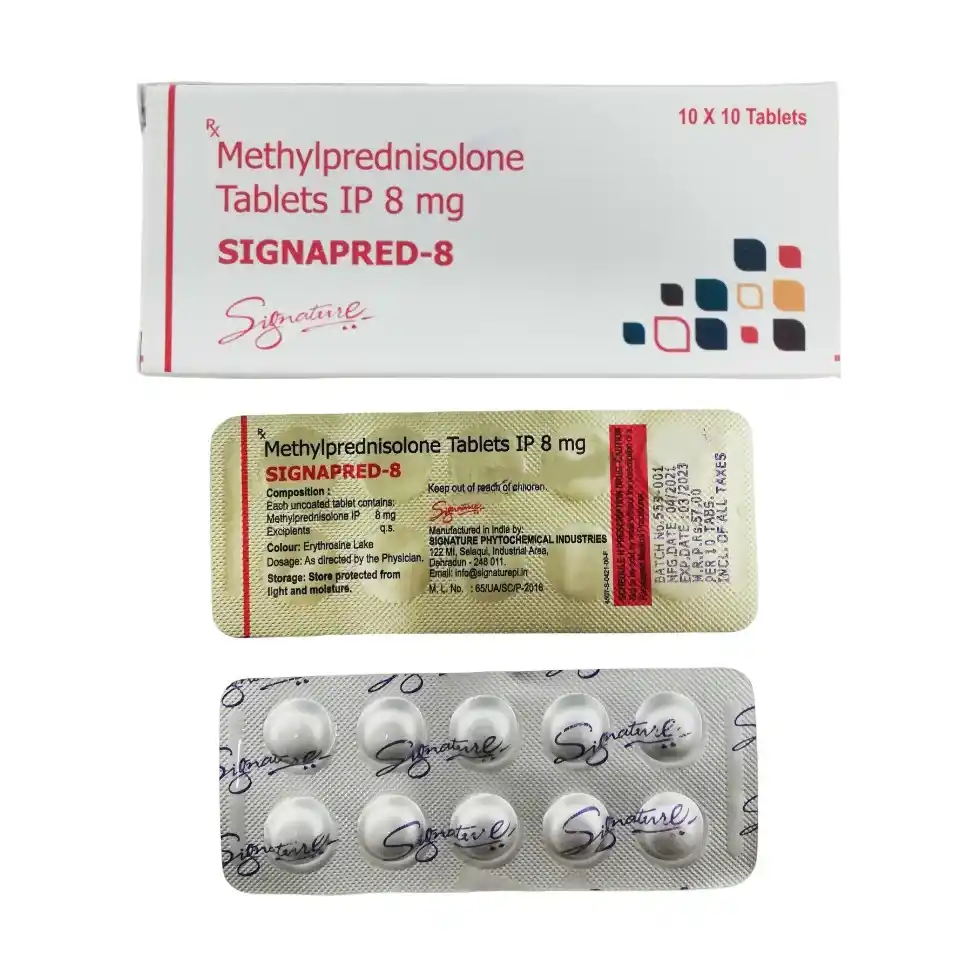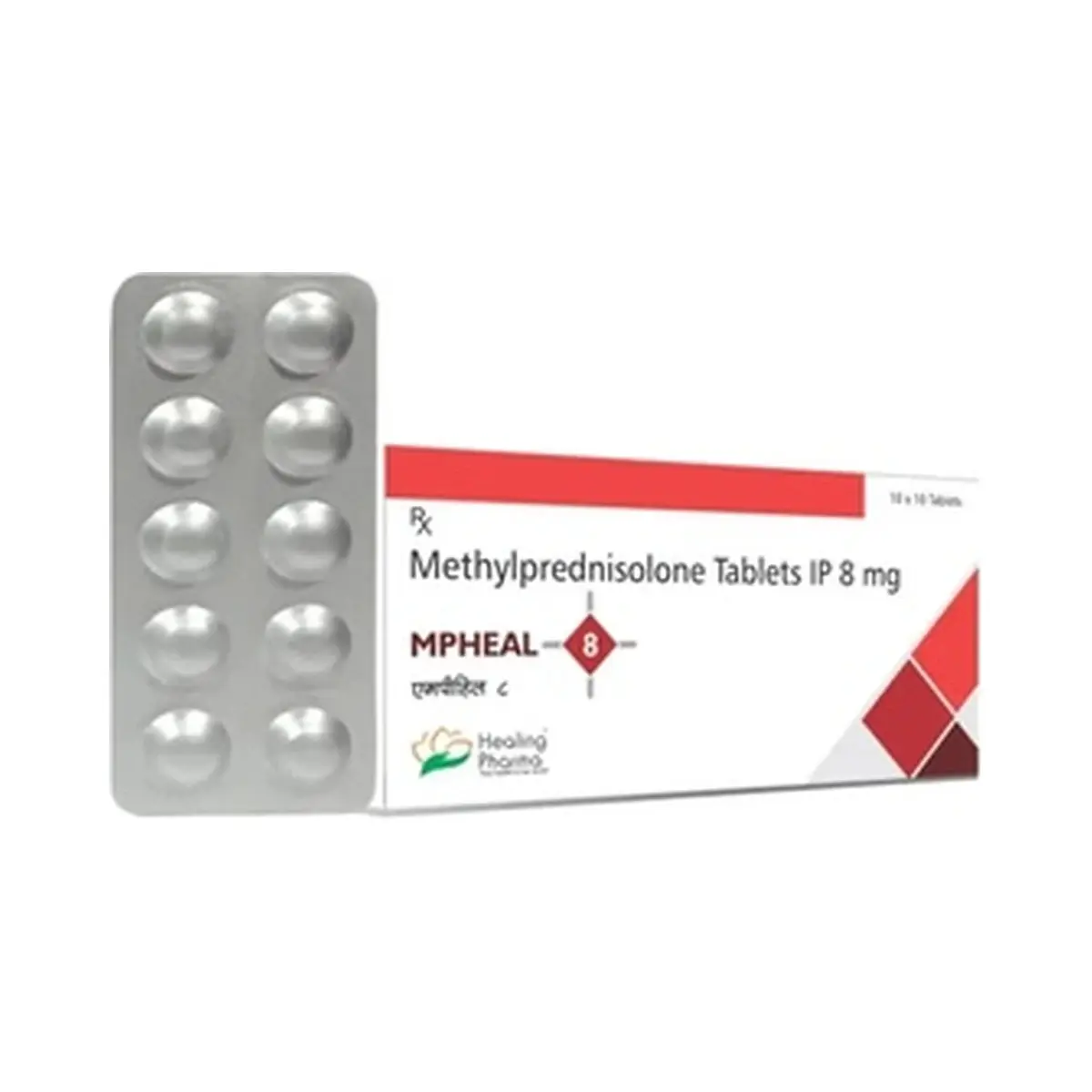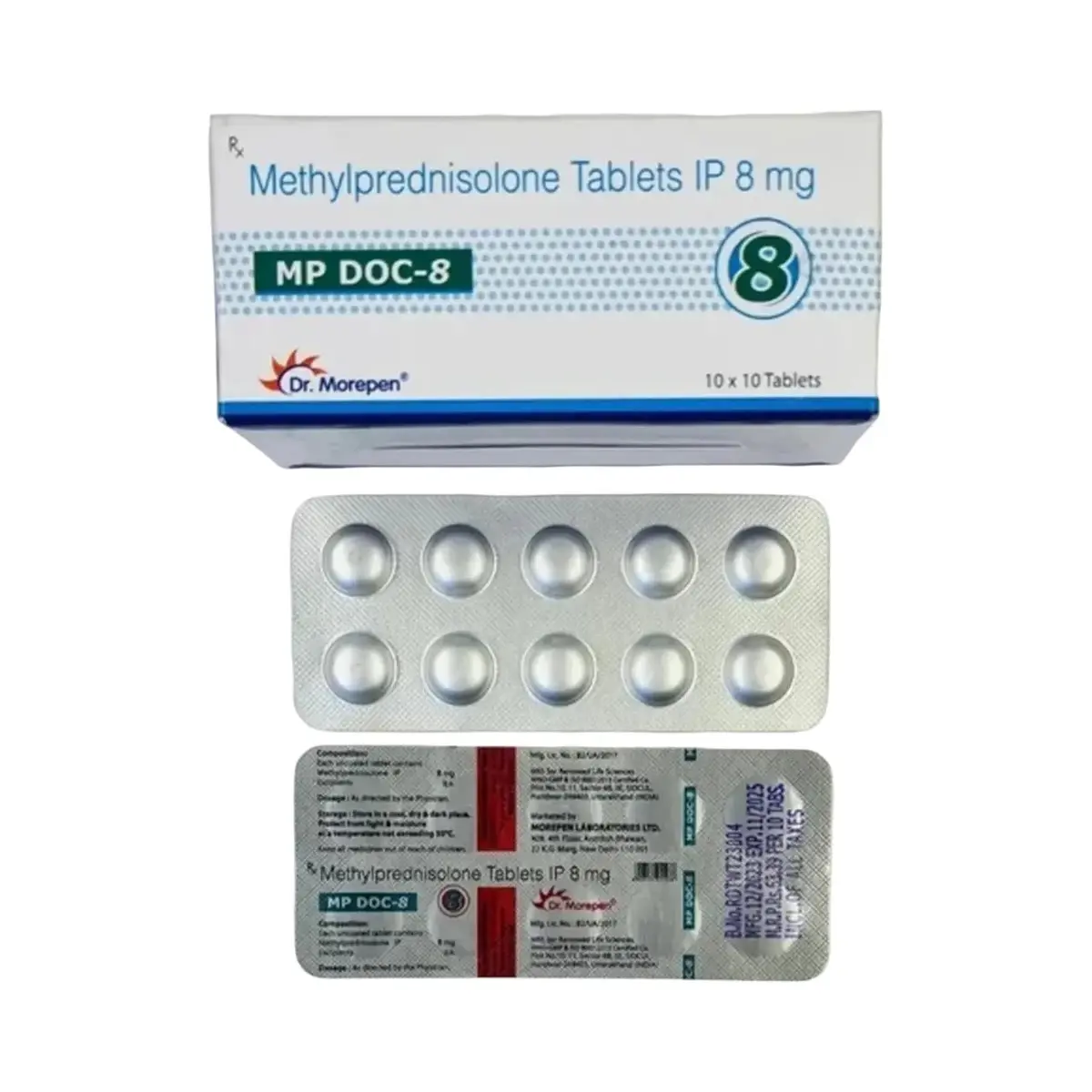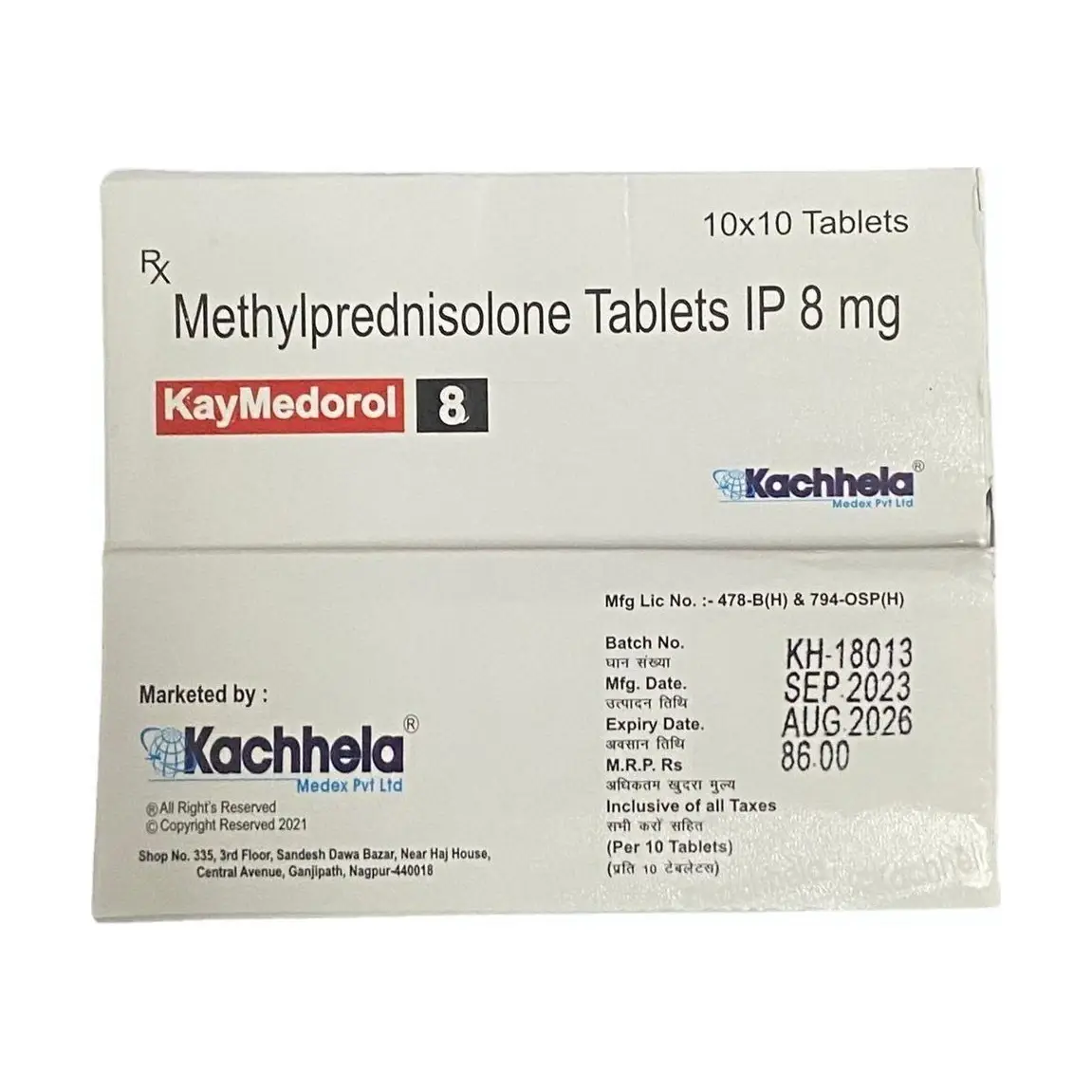
Description
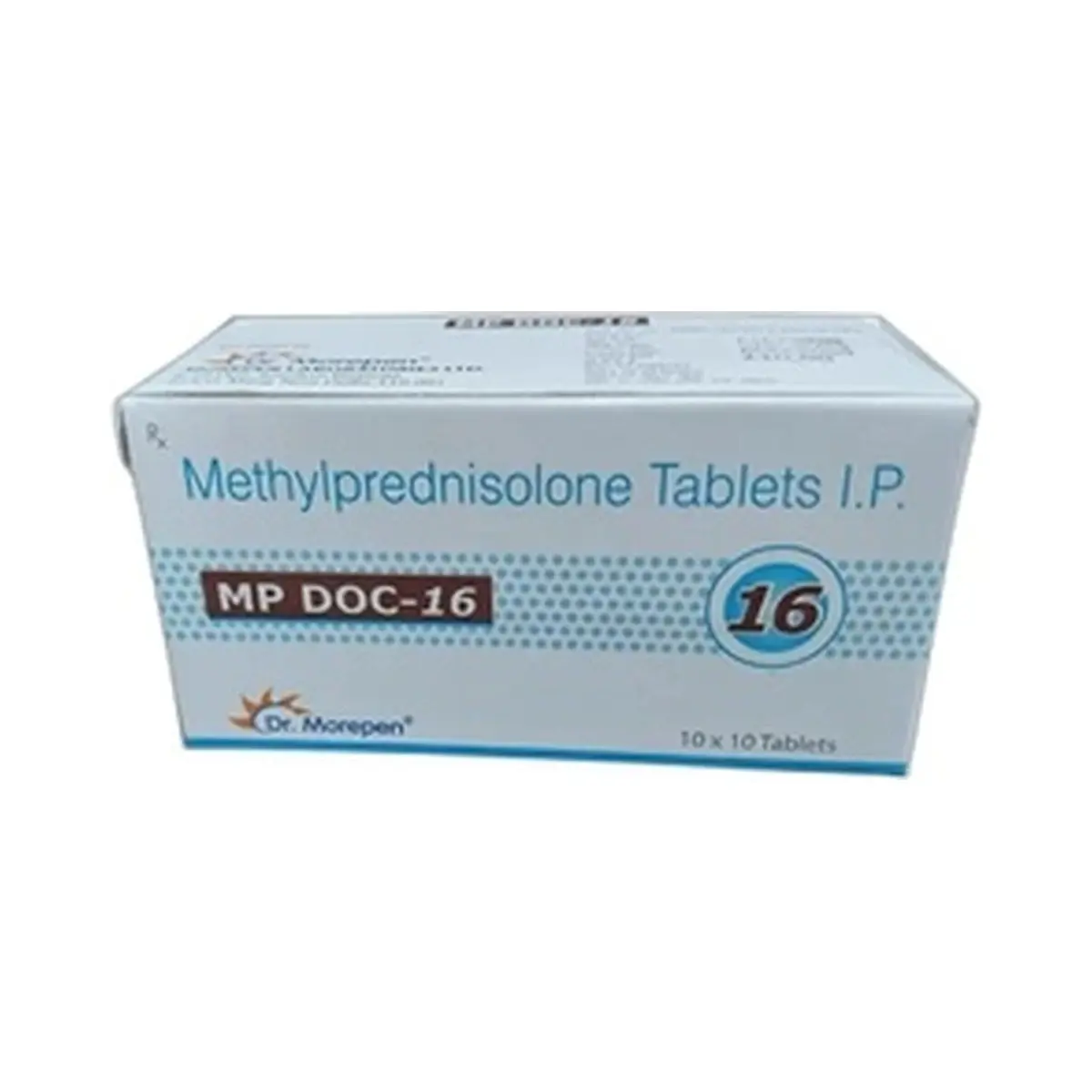
Mp doc (Methylprednisolone) 16 mg
Mp doc 16 mg is a brand name for methylprednisolone, an oral glucocorticoid corticosteroid. It is a systemic anti-inflammatory and immunosuppressive medicine used in a range of inflammatory, allergic, immune-mediated, endocrine, and other conditions when corticosteroid therapy is appropriate.
Active Ingredient and Medicine Class
The verified active ingredient is methylprednisolone. It belongs to the corticosteroid class, specifically glucocorticoids. Regulatory labeling describes it as a synthetic adrenocortical steroid with potent anti-inflammatory effects and broad effects on immune and metabolic responses.
Established Medical Uses
Official prescribing information for methylprednisolone tablets lists use in endocrine disorders, rheumatic and collagen diseases, allergic states, dermatologic diseases, ophthalmic disease, respiratory diseases, hematologic disorders, neoplastic diseases, edema, gastrointestinal diseases, and certain neurologic conditions. These are established label indications, although the exact appropriate use depends on the clinical diagnosis and the product’s approved labeling in each market.
How It Works
Methylprednisolone works by entering cells and influencing the production of inflammatory mediators. It reduces inflammatory activity and modifies immune responses to diverse stimuli. This helps explain its use in conditions driven by inflammation or immune overactivity.
Important Safety Information
Systemic corticosteroids require careful use because they can worsen existing infection risk and suppress normal immune responses. FDA labeling highlights the need for caution in patients with active infections and in conditions where corticosteroid adverse effects may be problematic. Clinically significant interactions may occur with medicines that affect steroid metabolism, as changes in exposure can increase adverse effects or reduce steroid-sparing benefit.
Longer-term or higher-intensity corticosteroid exposure is associated with risks including adrenal suppression, metabolic effects, hypertension, peptic ulcer disease, mood changes, osteoporosis, and eye-related complications.
Possible Side Effects
Reported adverse effects of systemic corticosteroids commonly include sleep disturbance, mood or behavioral changes, gastrointestinal upset, increased appetite, weight gain, fluid retention, and elevated blood glucose. More serious reactions can include serious infection, adrenal suppression, hypertension, fractures, peptic ulcer complications, and psychiatric symptoms.
Scientific Evidence
Peer-reviewed reviews and meta-analyses support the broader anti-inflammatory role of systemic corticosteroids and describe their established use across inflammatory and immune-mediated diseases. Evidence also shows that adverse effects are common enough to warrant careful risk assessment, especially with repeated or prolonged treatment. In respiratory and critical-care settings, methylprednisolone has been studied in conditions such as asthma exacerbations and ARDS, with benefits depending on the clinical context and timing.
Medical Information Notice
This summary is for educational purposes only and is based on sources available at the time of review. It does not replace the official patient leaflet, prescribing information, or assessment by a qualified healthcare professional.
Medical Sources
- DailyMed / U.S. National Library of Medicine: MEDROL- methylprednisolone tablet
- U.S. Food and Drug Administration: Medrol (methylprednisolone tablets, USP) prescribing information
- Ocejo A, Correa R, et al. “Methylprednisolone.” StatPearls. PubMed article page
- Lv H, Dai L, Lu J, et al. “Efficacy and safety of methylprednisolone against acute respiratory distress syndrome: A systematic review and meta-analysis.” Medicine. 2021. PubMed article page