Description
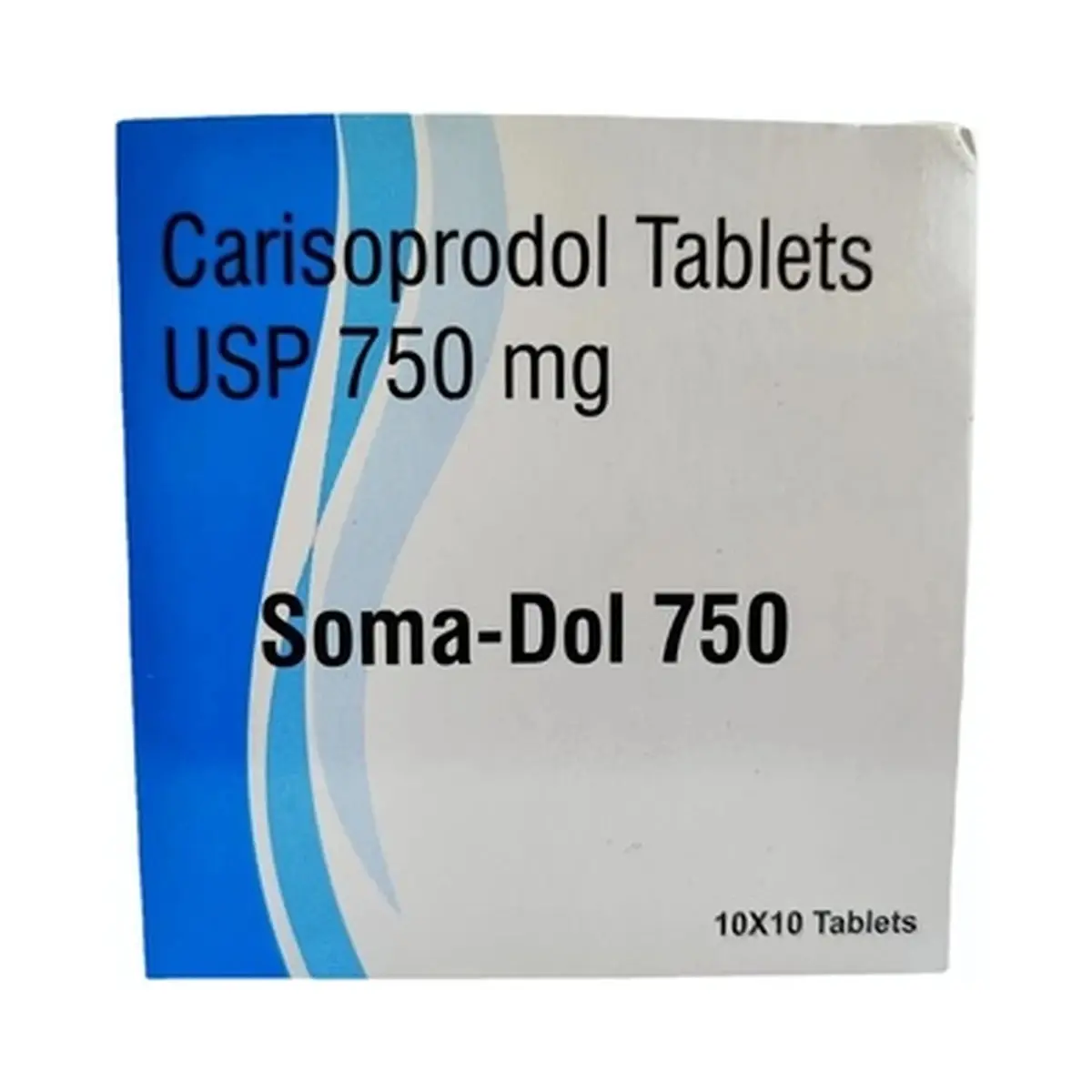
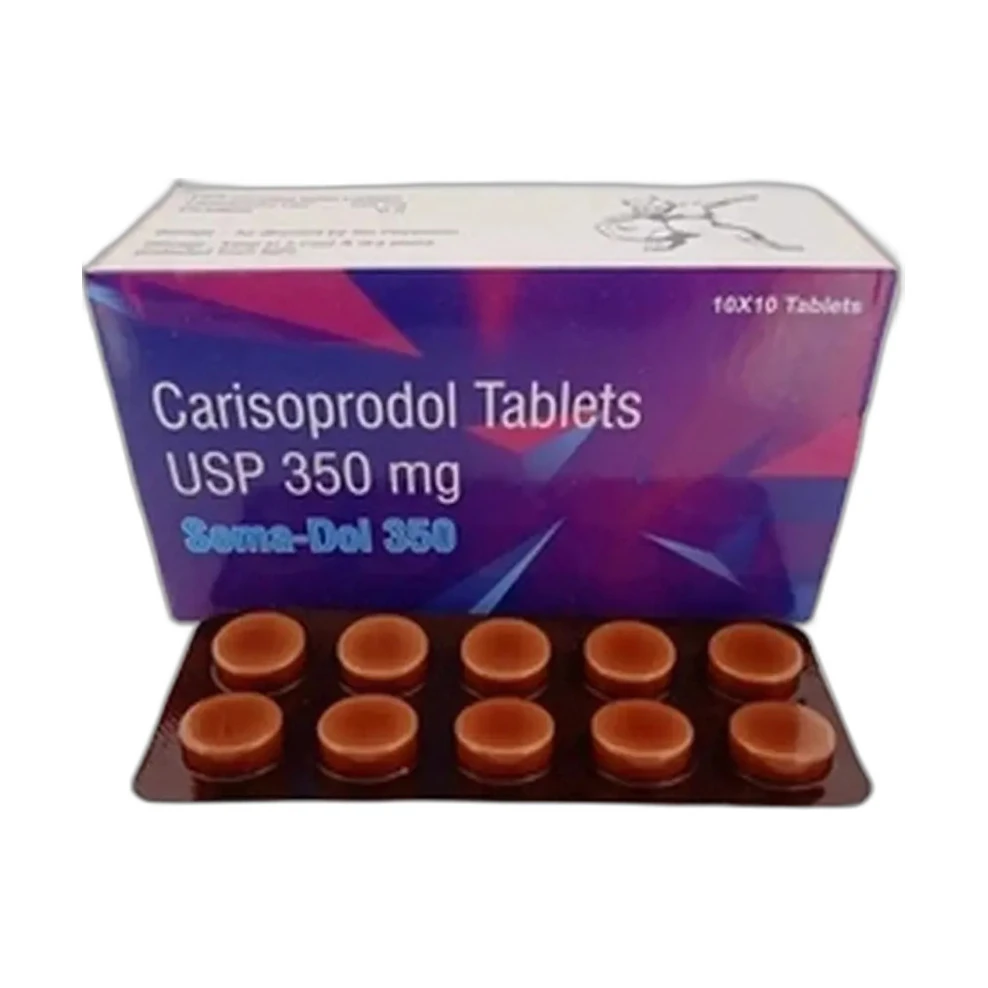
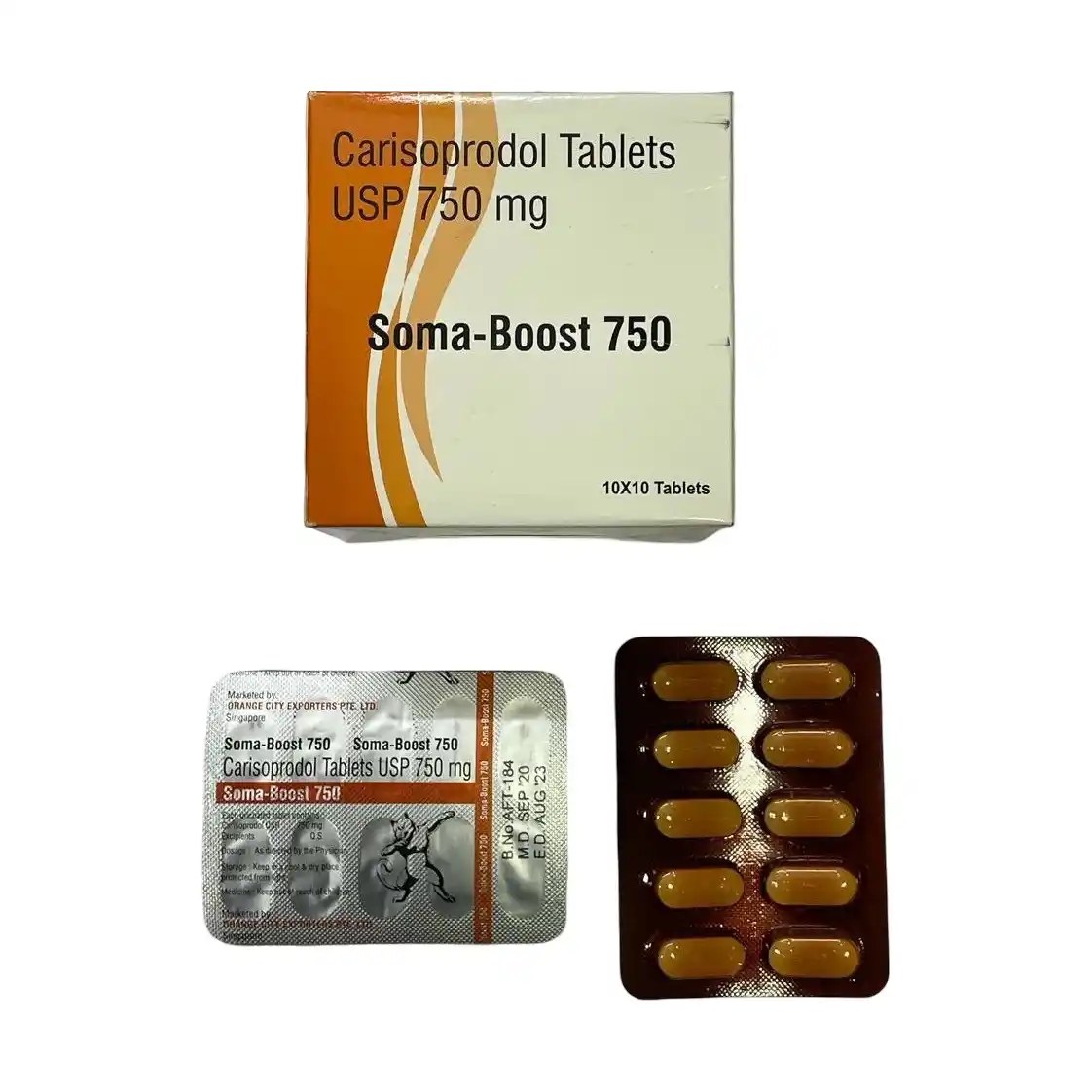
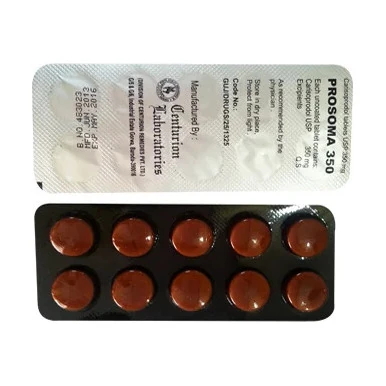
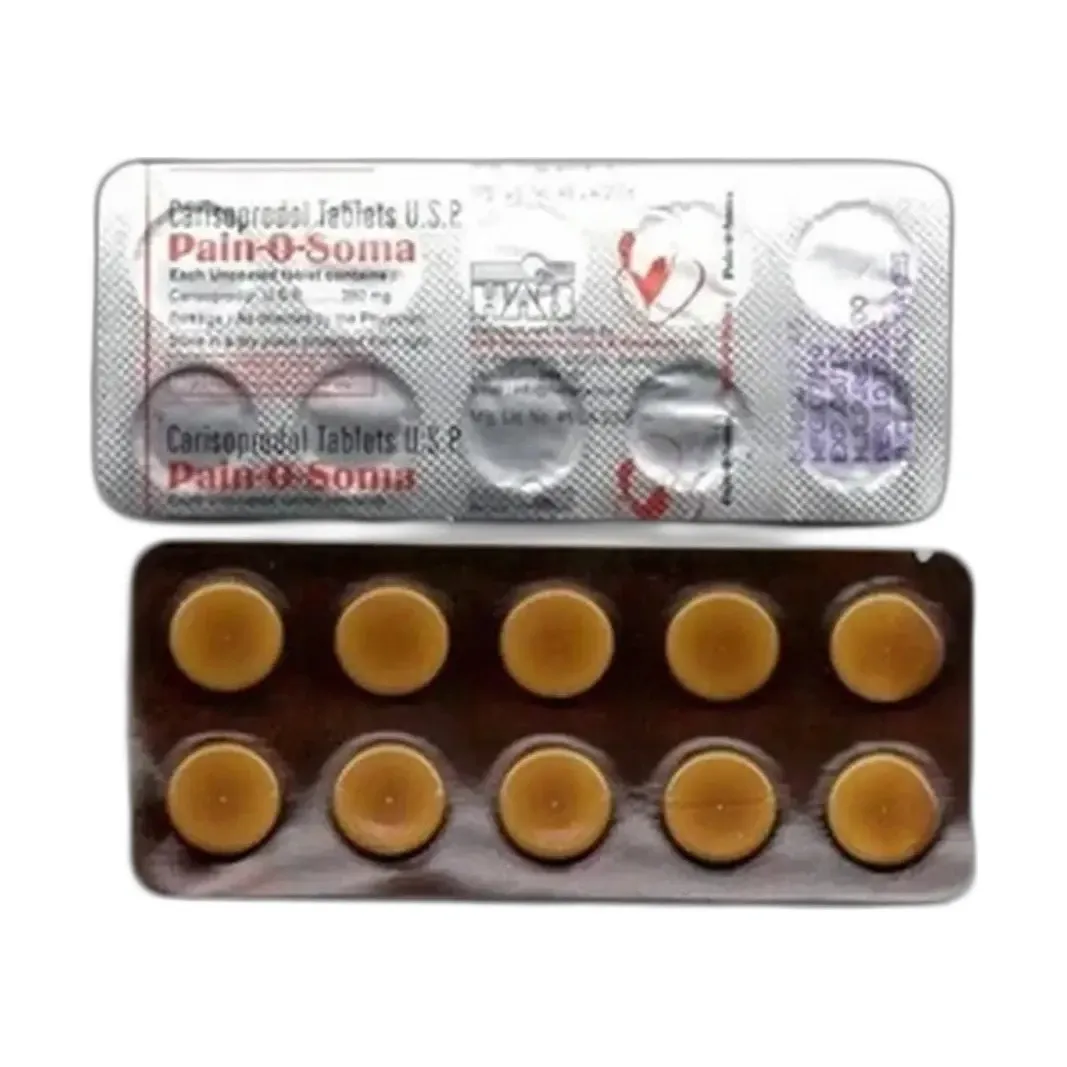
Pain O Soma (Carisoprodol) 350 mg
Pain O Soma 350 mg is a brand of carisoprodol tablets for oral use. Carisoprodol is a centrally acting skeletal muscle relaxant used for short-term relief of discomfort associated with acute, painful musculoskeletal conditions in adults. Established prescribing information limits use to brief periods because evidence for longer treatment is not established.
Active Ingredient and Medicine Class
The verified active ingredient is carisoprodol, a skeletal muscle relaxant that acts on the central nervous system rather than directly on muscle tissue. In the United States, carisoprodol tablets are classified as a Schedule IV controlled substance.
Established Medical Uses
Carisoprodol is indicated for the relief of discomfort associated with acute, painful musculoskeletal conditions in adults. It is intended for short-term use only. Prescribing information states that adequate evidence of benefit for prolonged use has not been established.
How It Works
The exact mechanism by which carisoprodol relieves acute musculoskeletal discomfort has not been clearly identified. It is known to be metabolized in the liver to meprobamate, and its clinical effects are associated with central nervous system activity. Because of this, the medicine can cause sedation and other effects on alertness and coordination.
Important Safety Information
Carisoprodol is contraindicated in people with a history of acute intermittent porphyria or hypersensitivity to carbamates such as meprobamate. Sedation is a key precaution, and the medicine may impair mental and physical abilities needed for tasks such as driving or operating machinery.
Clinically significant additive sedation can occur with alcohol and other central nervous system depressants, including benzodiazepines, opioids, tricyclic antidepressants, and other sedating medicines. Co-use with meprobamate is not recommended. Carisoprodol is also affected by CYP2C19 metabolism, so inhibitors or inducers of that enzyme may alter exposure to carisoprodol and meprobamate. Caution is advised in people with reduced CYP2C19 activity.
Prescribing information also warns about abuse, dependence, withdrawal, and seizures. Withdrawal symptoms reported after abrupt discontinuation can include insomnia, vomiting, abdominal cramps, headache, tremors, muscle twitching, anxiety, ataxia, hallucinations, and psychosis. Overdose may cause profound central nervous system depression and serious respiratory or cardiovascular effects.
Possible Side Effects
The most commonly reported adverse reactions include drowsiness, dizziness, and headache. Other effects reported in clinical or post-marketing experience include vertigo, ataxia, tremor, agitation, irritability, nausea, vomiting, and epigastric discomfort. Less common but important reactions include hypotension, syncope, seizures, leukopenia, and pancytopenia.
Scientific Evidence
Clinical trials have evaluated carisoprodol in acute low back spasm. In a placebo-controlled study, carisoprodol produced greater improvement in patient-rated pain relief and global change than placebo over the short study period. Another multicenter trial comparing 250 mg and 350 mg tablets with placebo also found benefit in acute lower-back spasm, with both carisoprodol doses performing better than placebo.
At the same time, peer-reviewed reviews and case reports have described abuse potential, withdrawal syndromes, and dependence, especially with prolonged or high-dose use. This literature supports the short-term, carefully selected use described in official prescribing information.
Medical Information Notice
This page is an educational summary based on sources available at the time of review. It does not replace the official patient leaflet, product labeling, or an individual assessment by a qualified healthcare professional.
Medical Sources
- DailyMed / U.S. prescribing information. Carisoprodol tablets, full prescribing information and highlights. View official prescribing information
- Lee Ralph et al. Double-blind, placebo-controlled trial of carisoprodol 250-mg tablets in the treatment of acute lower-back spasm. Current Medical Research and Opinion, 2008. View scientific article
- Roy R. Reeves et al. Carisoprodol: update on abuse potential and legal status. Southern Medical Journal, 2012. View scientific article