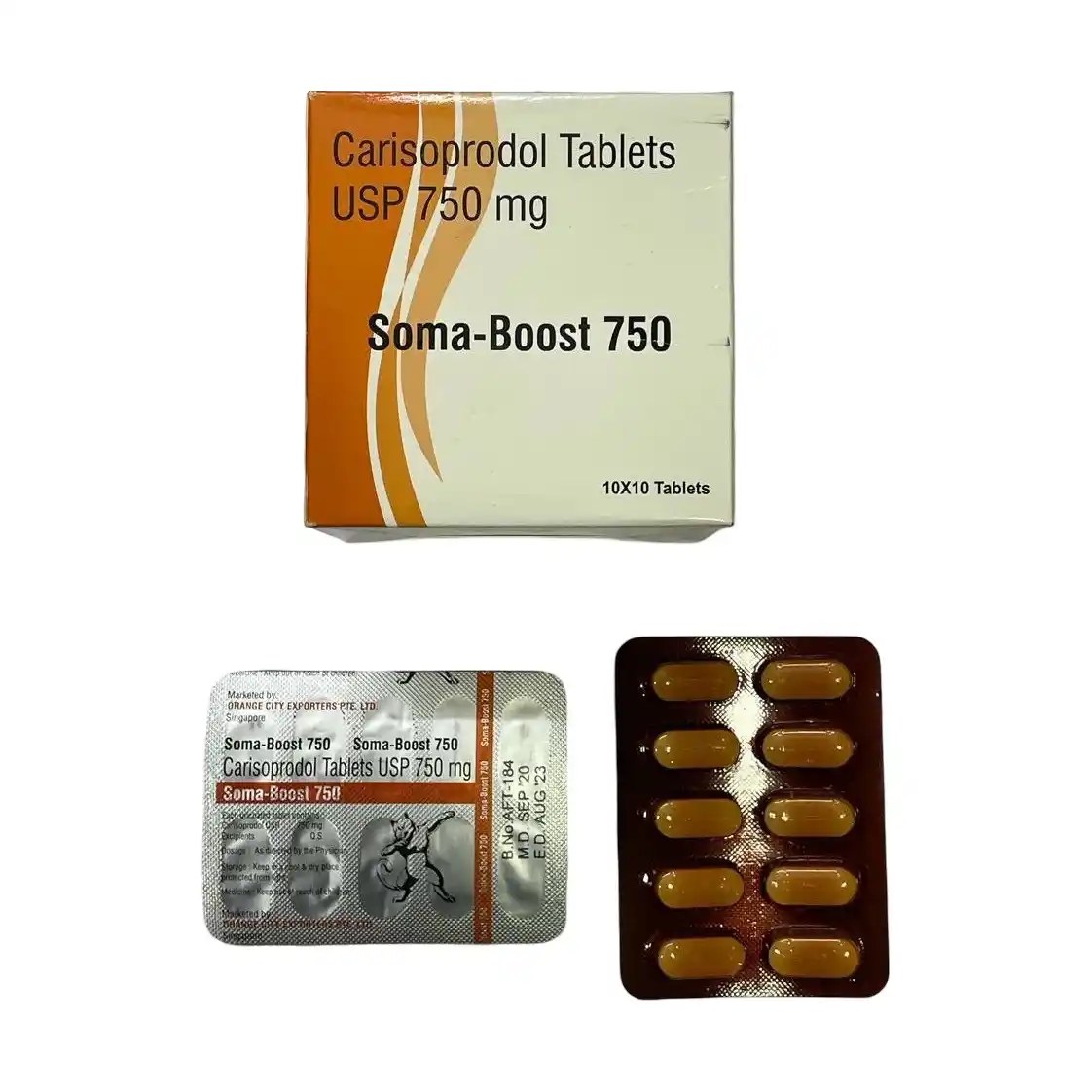
Description
Soma boost (Carisoprodol)
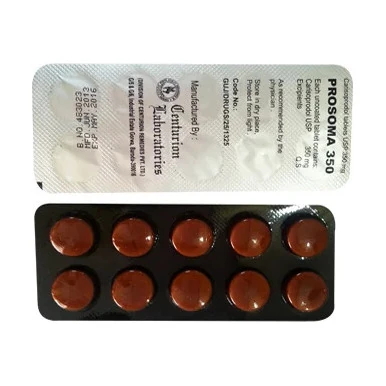
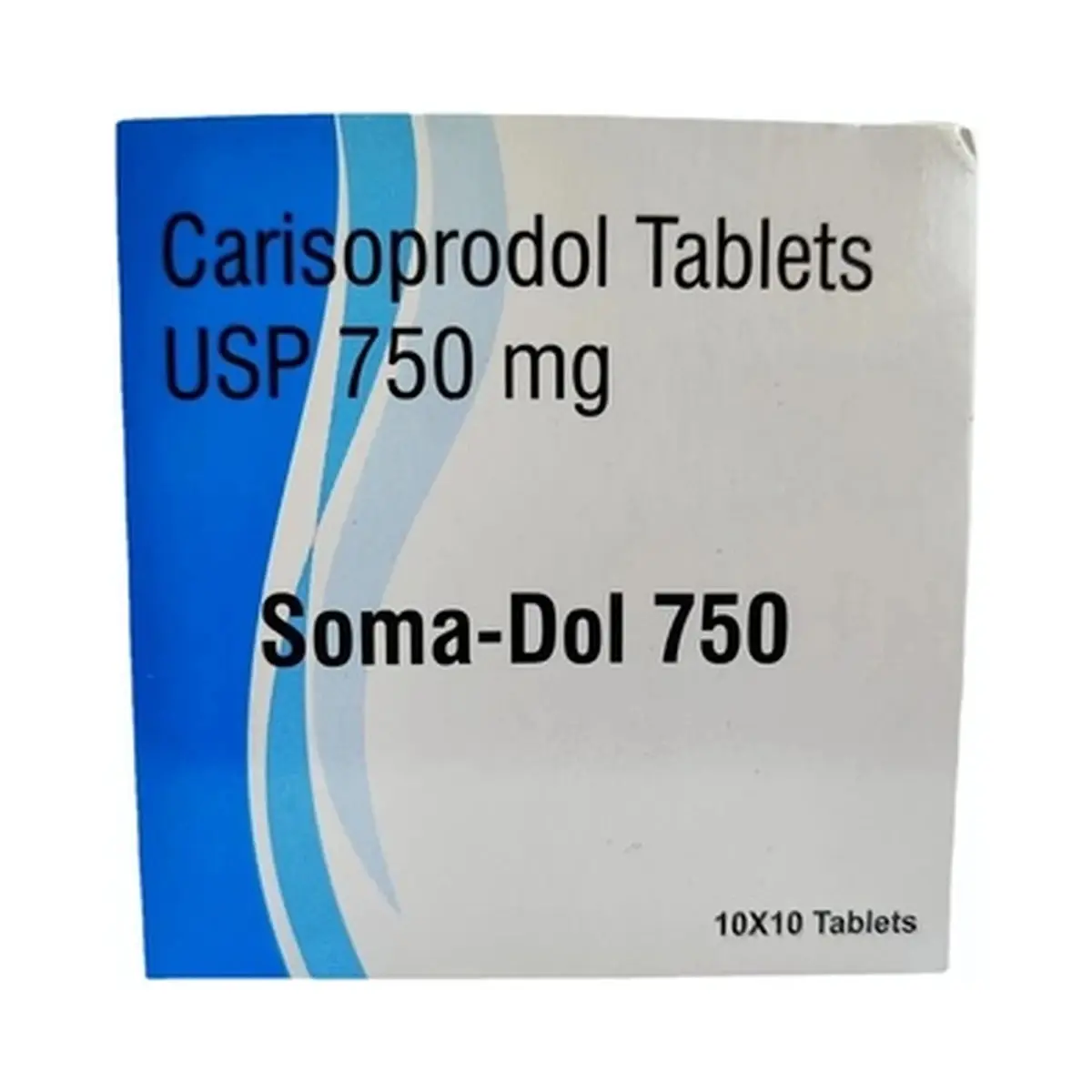
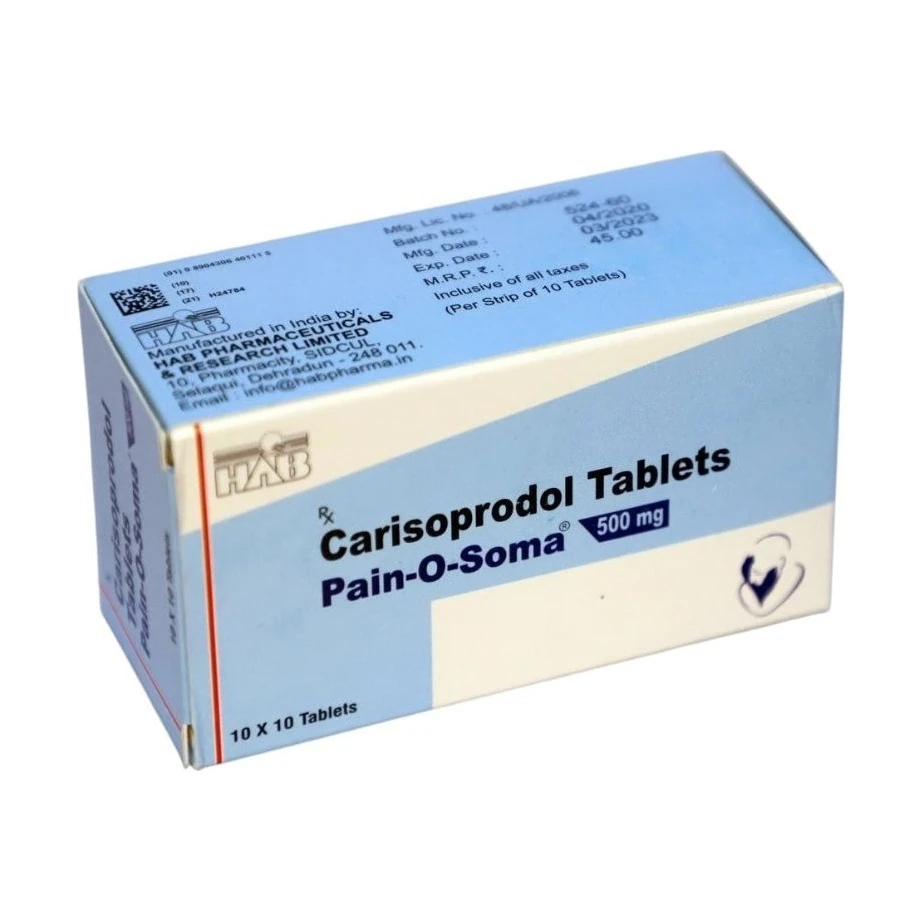
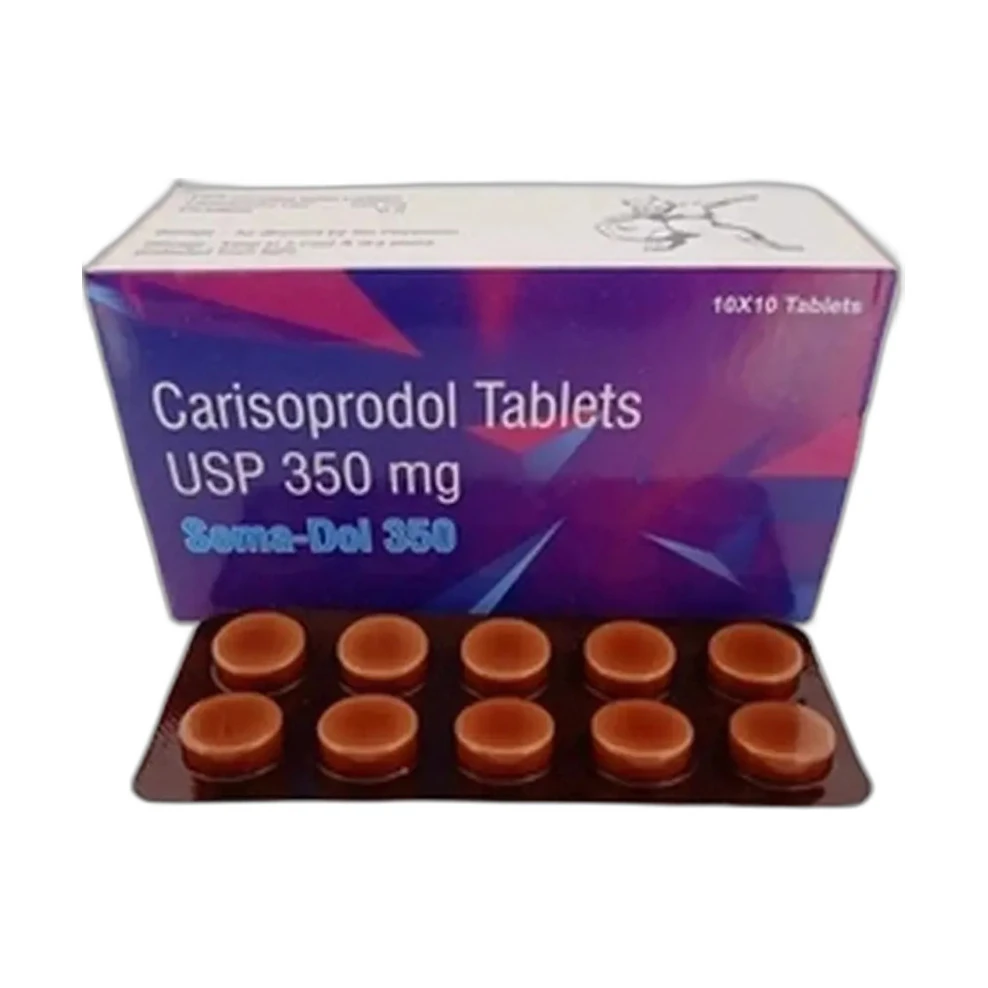
The listed product name appears to refer to carisoprodol, a centrally acting skeletal muscle relaxant in oral tablet form. The exact trade name “Soma boost” was not verified in the official sources reviewed, so this description is based on the confirmed active ingredient, carisoprodol.
Active Ingredient and Medicine Class
Carisoprodol is a prescription skeletal muscle relaxant. It acts on the central nervous system rather than directly on the muscle itself. In the United States, carisoprodol tablets are classified as a controlled substance because of their potential for misuse and dependence.
Established Medical Uses
Carisoprodol is indicated for the relief of discomfort associated with acute, painful musculoskeletal conditions in adults. It is intended for short-term use only, as the benefit is generally limited to the early phase of muscle spasm and related pain. It is not established as a treatment for chronic musculoskeletal pain.
How It Works
Carisoprodol is thought to reduce muscle spasm by depressing nerve activity in the central nervous system. Its exact mechanism is not fully established, but the drug is known to be metabolized to meprobamate, a compound with sedative and anxiolytic properties. This central action helps explain both its muscle-relaxant effect and its tendency to cause drowsiness.
Important Safety Information
Carisoprodol has important safety limitations. It should be used only for short treatment periods because prolonged use increases the risk of dependence, withdrawal symptoms, and abuse. It may also impair alertness and coordination.
Important contraindications and precautions include hypersensitivity to carisoprodol or to related carbamate-type drugs. Extra caution is warranted in people with a history of substance misuse, because carisoprodol has recognized abuse potential. The medicine can also add to the effects of alcohol, opioids, benzodiazepines, sedating antihistamines, and other central nervous system depressants, increasing the risk of excessive sedation and respiratory depression.
Carisoprodol is metabolized by CYP2C19, so interactions are possible with medicines that inhibit or affect this pathway. Because the drug can cause sedation, patients taking it may be less able to drive or operate machinery safely.
Possible Side Effects
Common adverse effects include drowsiness, dizziness, and sedation. Some people may also experience headache, irritability, or gastrointestinal upset. More serious reactions can include confusion, marked impairment of coordination, allergic reactions, and signs of misuse or dependence. Abrupt discontinuation after prolonged use may lead to withdrawal symptoms.
Scientific Evidence
Clinical studies have reported that carisoprodol can provide symptom relief in acute low-back spasm and other painful musculoskeletal conditions. In a placebo-controlled trial, patients receiving carisoprodol had greater and faster improvement in back pain and function than those receiving placebo. However, the overall evidence base is limited, and the drug’s clinical usefulness must be balanced against its sedative effects and abuse potential. Reviews of skeletal muscle relaxants also note that carisoprodol may be effective for some acute musculoskeletal symptoms, but concerns about misuse have repeatedly been highlighted.
Medical Information Notice
This page is an educational summary based on authoritative sources available at the time of review. It does not replace the official patient leaflet, product labeling, or assessment by a qualified healthcare professional.
Medical Sources
- U.S. Food and Drug Administration. SOMA (carisoprodol) tablets for oral use. View official prescribing information
- DailyMed. Carisoprodol tablet. View official drug label
- Lee Ralph et al. Double-blind, placebo-controlled trial of carisoprodol 250-mg tablets in the treatment of acute lower-back spasm. Current Medical Research and Opinion, 2008. View scientific article
- G S Rust et al. Carisoprodol as a drug of abuse. Archives of Family Medicine, 1993. View scientific article