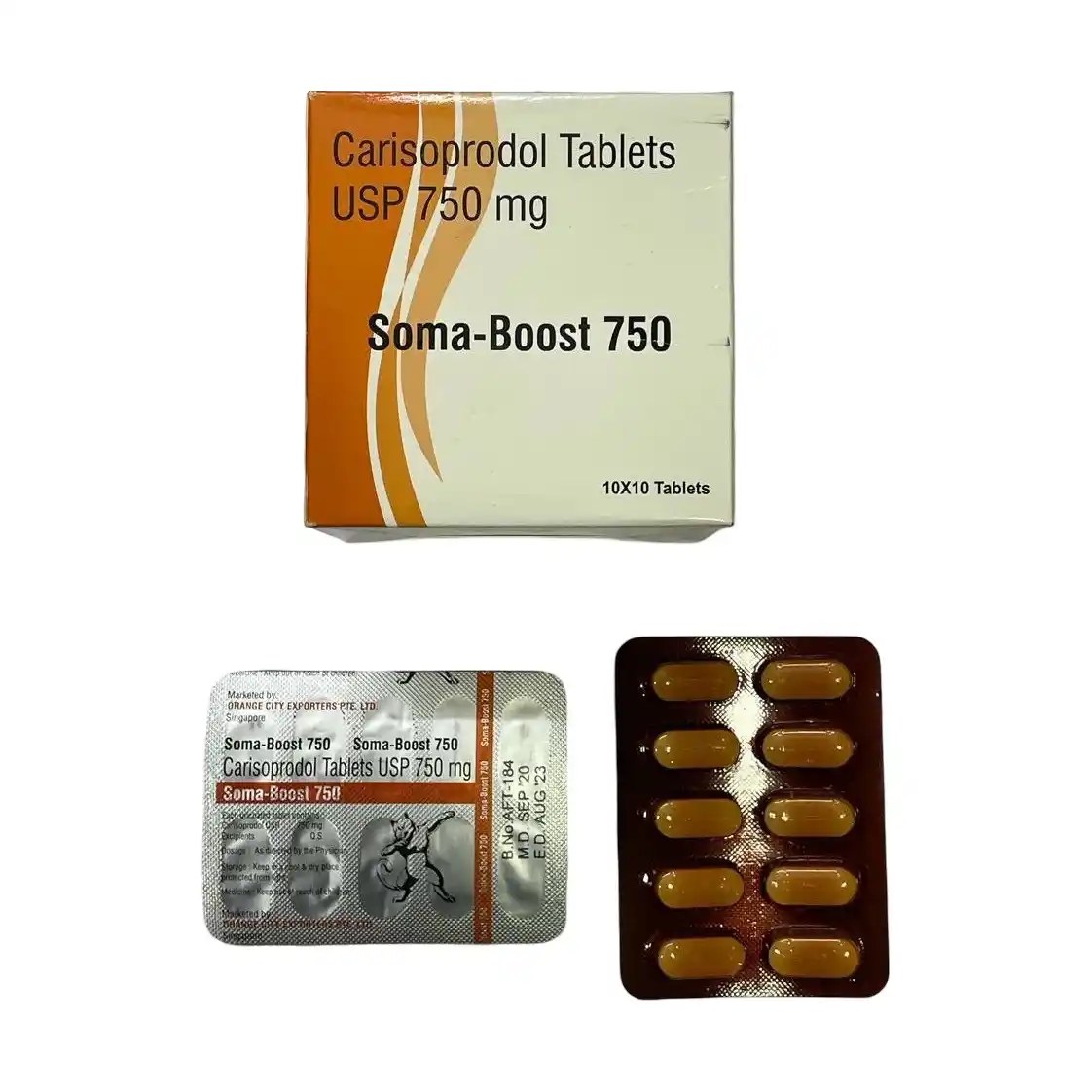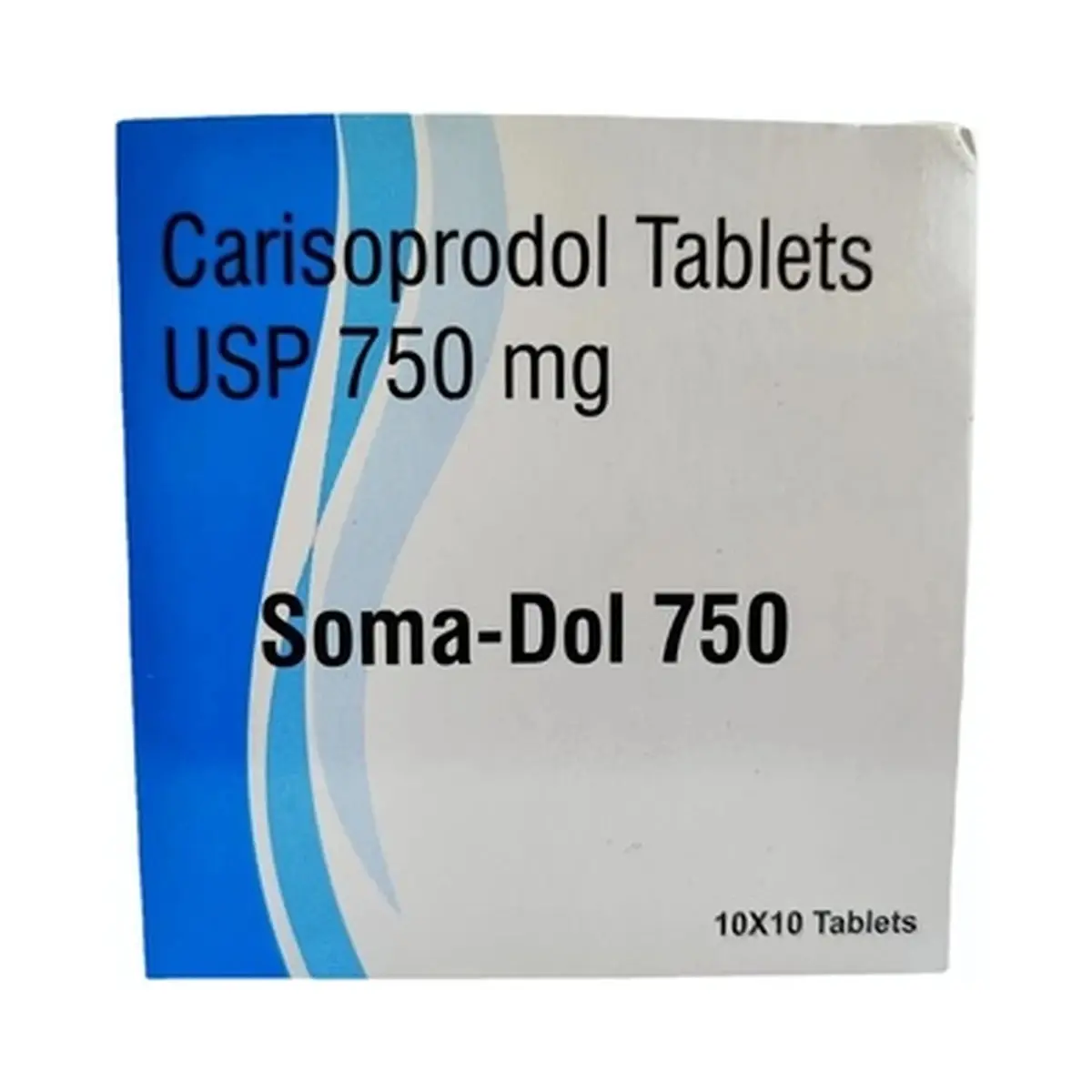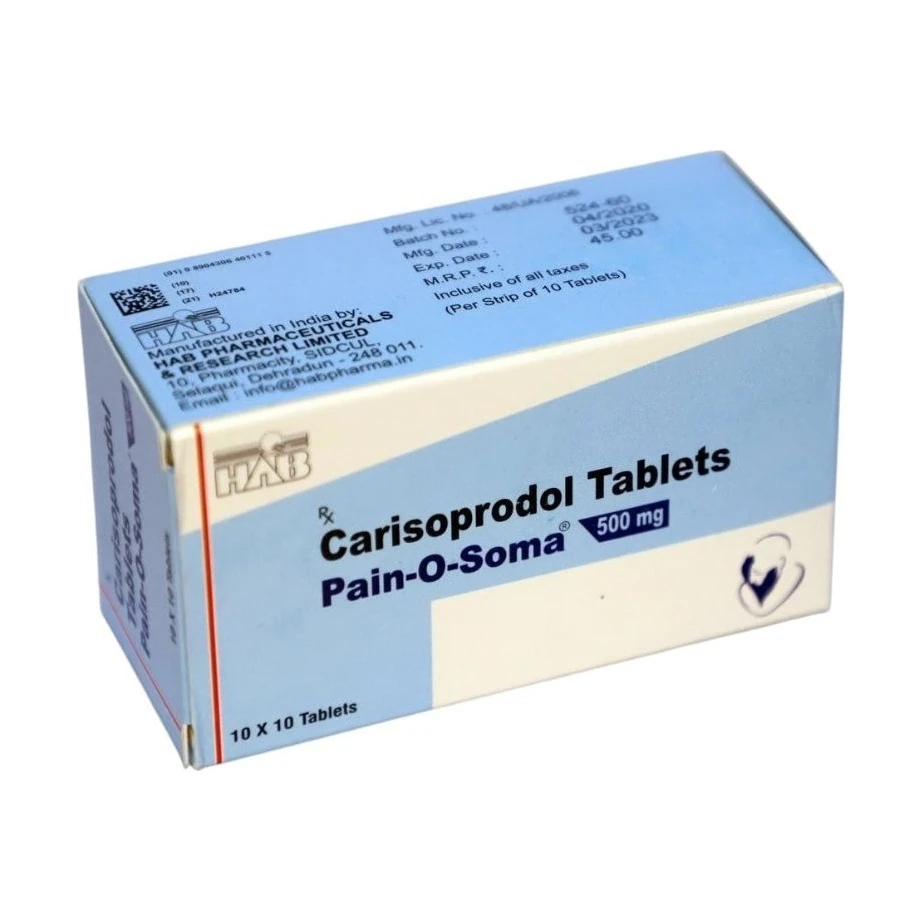
Description
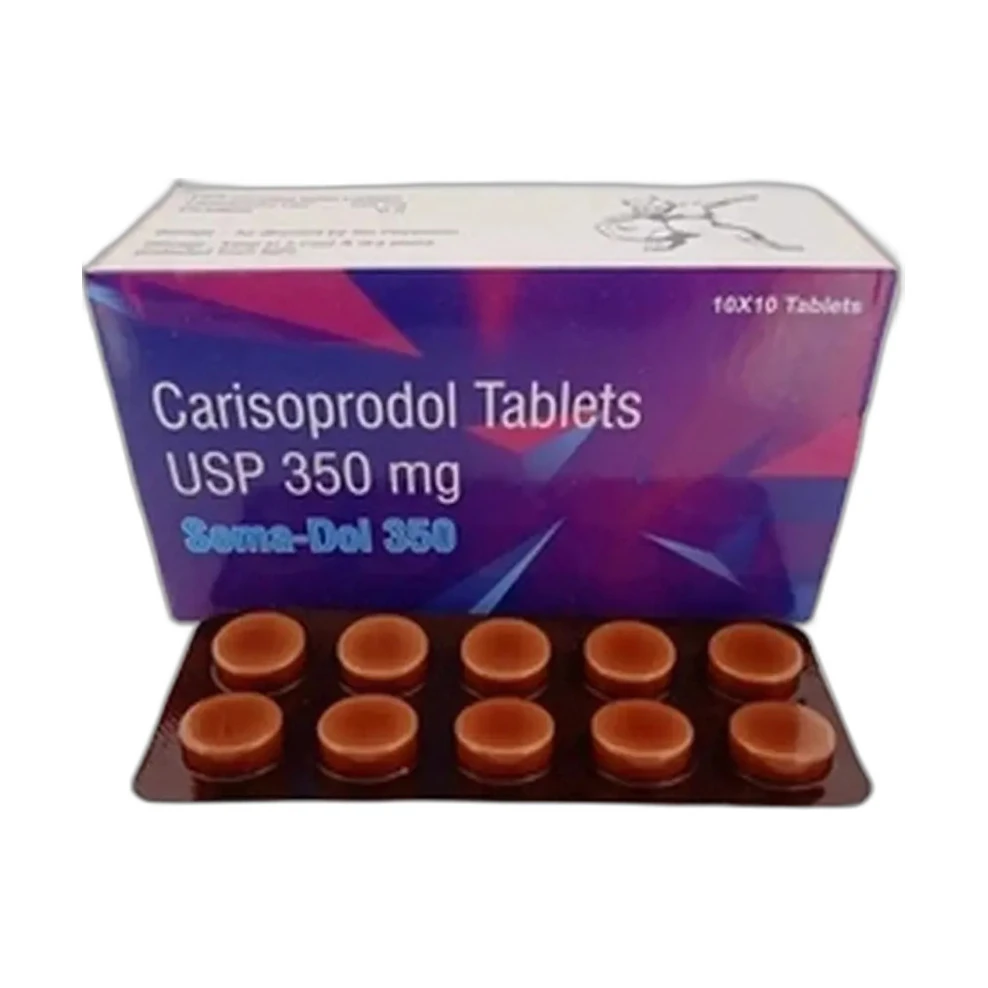
Somadol (Carisoprodol) 350 mg
Somadol 350 mg is a tablet medicine containing carisoprodol, a centrally acting skeletal muscle relaxant. It is used for the short-term relief of discomfort associated with acute, painful musculoskeletal conditions. The available regulatory evidence supports its use as a short-duration treatment rather than a long-term therapy.
Active Ingredient and Medicine Class
The verified active ingredient is carisoprodol. It belongs to the class of centrally acting skeletal muscle relaxants. After absorption, carisoprodol is metabolised in the body to meprobamate, a substance associated with sedative and dependence-related effects.
Established Medical Uses
Carisoprodol is indicated for the relief of discomfort associated with acute, painful musculoskeletal conditions in adults. It is intended for short-term use only, because the evidence base and official prescribing information do not support prolonged treatment for ongoing musculoskeletal pain.
This medicine is not presented in official sources as a treatment for chronic pain, inflammatory disease, nerve pain, or as a stand-alone cure for the underlying cause of muscle injury. Its role is symptom relief during the acute phase of musculoskeletal discomfort.
How It Works
Carisoprodol acts within the central nervous system rather than directly on muscle tissue. Its exact mechanism is not fully characterised, but it is thought to reduce painful muscle spasm by depressing polysynaptic neuronal activity in the brain and spinal cord. The sedative properties of its metabolite, meprobamate, likely contribute to its overall effects.
Important Safety Information
Carisoprodol is contraindicated in people with a history of acute intermittent porphyria or a known hypersensitivity to meprobamate or related carbamates. Official prescribing information also warns that the medicine has potential for abuse, dependence, and withdrawal, especially with prolonged use or misuse.
Clinically important interactions may occur with alcohol, opioids, benzodiazepines, sedating antihistamines, and other medicines that depress the central nervous system, because combined use can increase drowsiness and impairment. Caution is also warranted in people with a history of substance use disorder or in anyone with conditions that may be worsened by sedation.
The medicine can impair alertness and coordination. Patients using carisoprodol should be aware of the possibility of additive sedation when it is combined with other centrally acting medicines.
Possible Side Effects
Commonly reported adverse effects include drowsiness, dizziness, and headache. Some people may also experience nausea, vomiting, or general weakness.
More serious reactions can include marked sedation, confusion, allergic reactions, misuse, dependence, withdrawal symptoms after prolonged exposure, and impaired psychomotor performance. Because carisoprodol is metabolised to meprobamate, its safety profile includes concerns related to sedative burden and abuse potential.
Scientific Evidence
Human clinical and review literature describes carisoprodol as a centrally acting skeletal muscle relaxant used for acute musculoskeletal pain, with short-term symptom relief as its main clinical role. Reviews also note that its adverse-effect profile is strongly shaped by sedation and by the behaviour of its active metabolite.
Published scientific reviews and clinical discussions consistently emphasise the medicine’s abuse liability and withdrawal risk, which is why regulatory guidance limits its duration of use. Evidence supporting long-term benefit is lacking, and the available research does not justify routine prolonged therapy.
Medical Information Notice
This page is an educational summary based on official prescribing information and selected scientific publications available at the time of review. It does not replace the official patient leaflet, product label, or assessment by a qualified healthcare professional.
Medical Sources
- U.S. Food and Drug Administration / DailyMed. Carisoprodol Tablets, USP — Full Prescribing Information
- U.S. Food and Drug Administration / AccessData. SOMA (carisoprodol) tablets for oral use — Prescribing Information
- Reeves RR, Parker JD. Carisoprodol: abuse potential and withdrawal syndrome. Current Drug Abuse Reviews, 2009. View scientific article
- Gatch MB, Taylor CM. Carisoprodol: update on abuse potential and legal status. Current Drug Abuse Reviews, 2012. View scientific article