Description
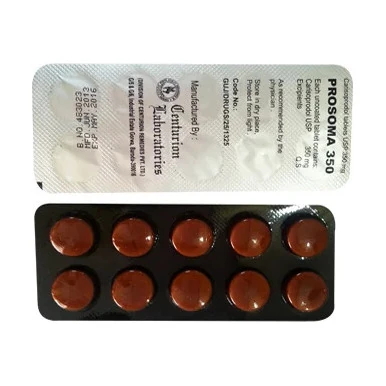
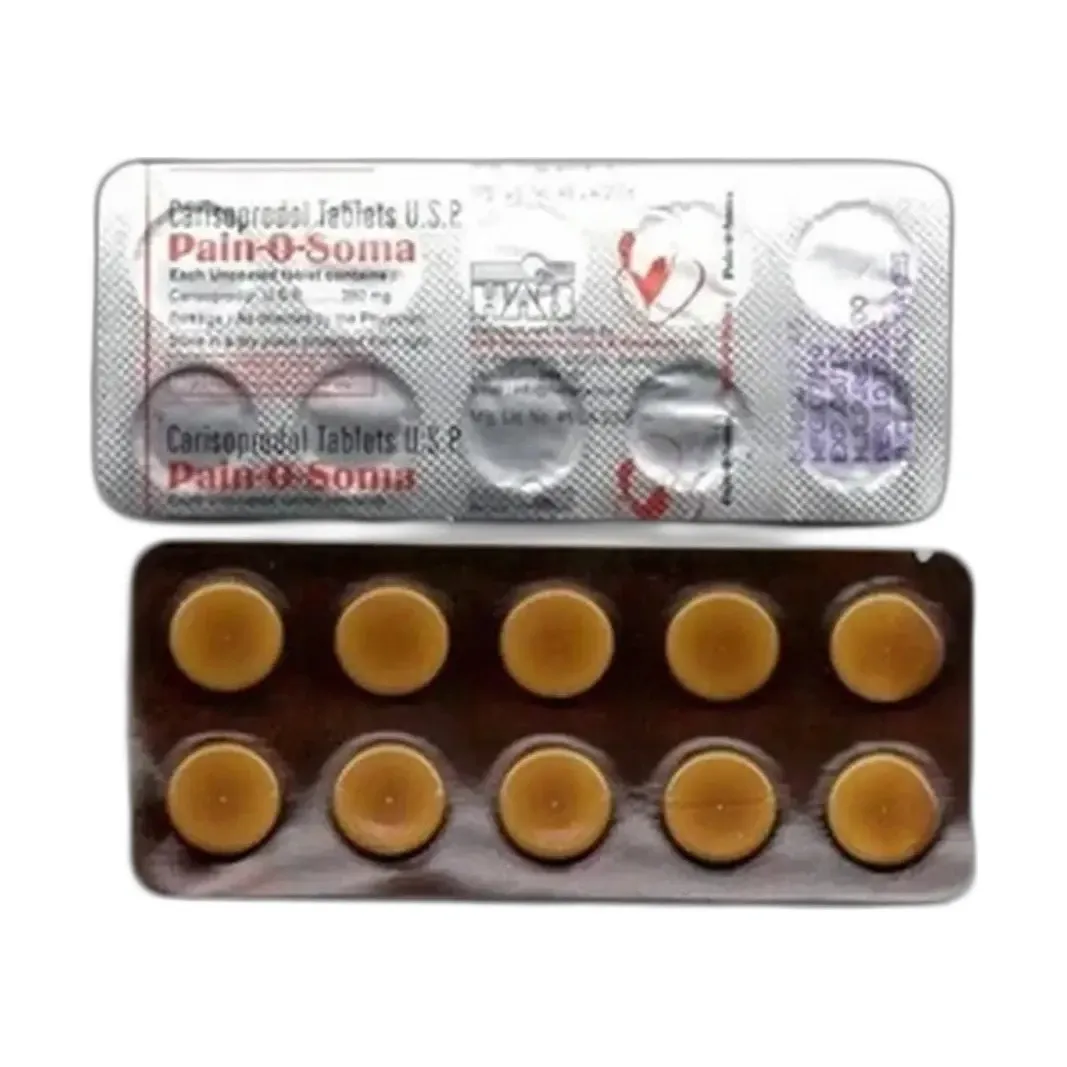
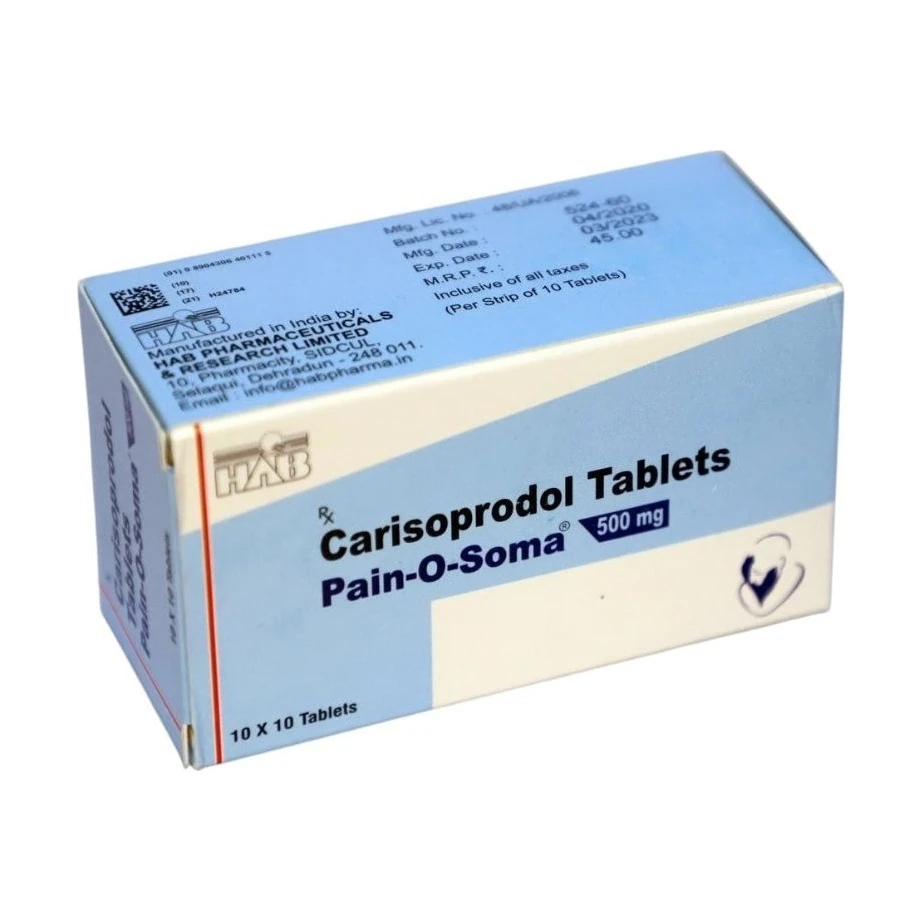
Pain O Soma (Carisoprodol) 500 mg
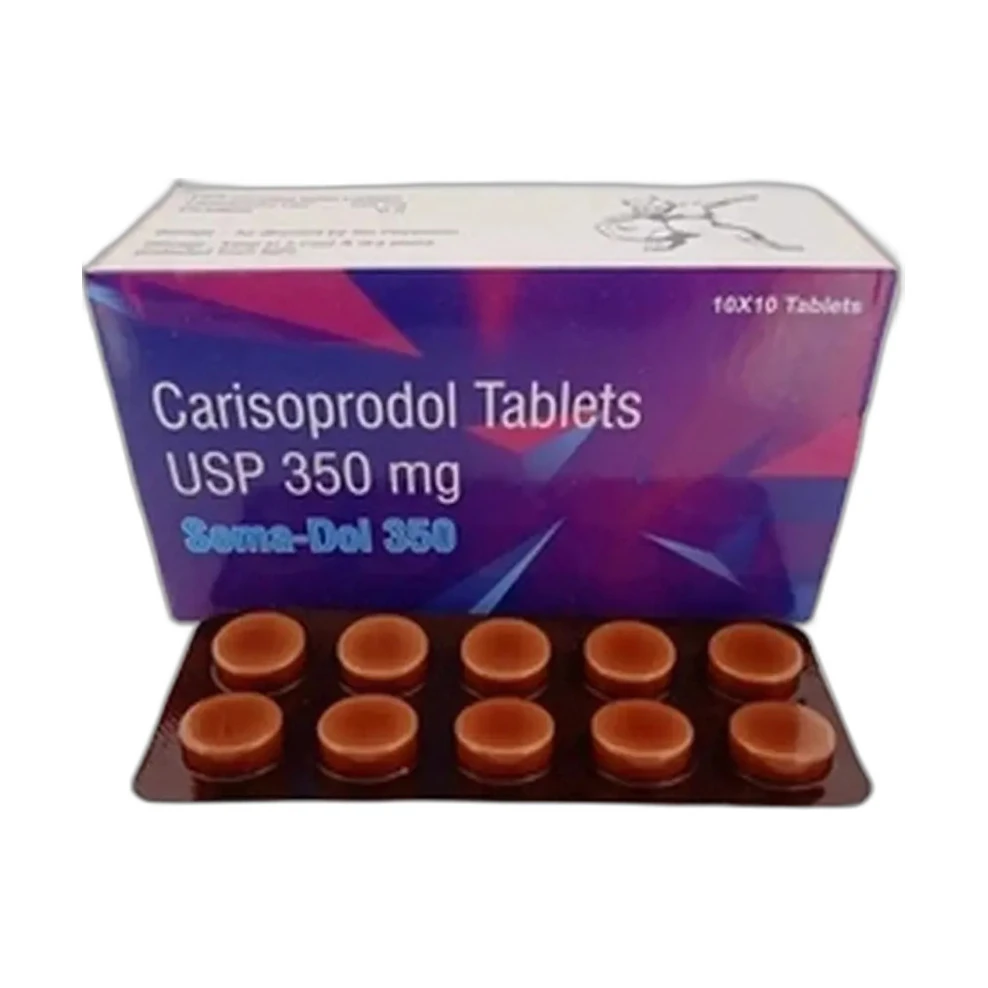
Pain O Soma is presented here as a carisoprodol product. Carisoprodol is a prescription skeletal muscle relaxant used for short-term relief of discomfort from acute, painful musculoskeletal conditions in adults. The exact trade name and 500 mg strength could not be verified from the official prescribing information located during review, so the description below is based on the confirmed active ingredient, carisoprodol.
Active Ingredient and Medicine Class
The verified active ingredient is carisoprodol. It belongs to the class of centrally acting skeletal muscle relaxants. After ingestion, carisoprodol is partly converted to meprobamate, an active metabolite with sedative properties.
Established Medical Uses
Official prescribing information supports carisoprodol for the relief of discomfort associated with acute, painful musculoskeletal conditions in adults. Its use is intended for short treatment periods only, because evidence for longer-term effectiveness is limited and the condition itself is usually temporary.
How It Works
Carisoprodol acts in the central nervous system rather than directly on the muscles. Its exact mechanism is not fully established, but it is thought to reduce painful muscle spasm and associated discomfort by depressing interneuronal activity in the brain and spinal cord. The active metabolite meprobamate may contribute to the overall effect, including sedation.
Important Safety Information
Carisoprodol should not be used in people with a history of acute intermittent porphyria or in those who have had hypersensitivity to carbamate medicines such as meprobamate. It is a controlled substance and has recognised risks of misuse, dependence, withdrawal and diversion, especially with prolonged use or in people with a substance-use history. Clinically important interactions may occur with alcohol, opioids, benzodiazepines, sedatives and other central nervous system depressants because combined use can increase drowsiness and impairment. Because carisoprodol is metabolised through CYP2C19, medicines that affect this enzyme may alter exposure to carisoprodol and meprobamate.
Possible Side Effects
Common adverse effects include drowsiness, dizziness and sedation. Other reported effects can include headache, nausea and impaired coordination. More serious reactions may include excessive central nervous system depression, confusion, abuse-related harms, dependence and withdrawal symptoms after stopping prolonged use. Rare hypersensitivity reactions can also occur.
Scientific Evidence
Clinical research has examined carisoprodol in acute low-back spasm and other musculoskeletal pain settings. A placebo-controlled trial found benefit in acute lower-back spasm, while later reviews concluded that the drug may be effective but its usefulness is limited by sedation and abuse potential. Pharmacology studies also show that carisoprodol is metabolised to meprobamate and that genetic differences in CYP2C19 can influence this process, which may help explain variability in response and safety.
Medical Information Notice
This summary is based on sources available at the time of review and is intended for educational purposes only. It does not replace the official patient information leaflet, product-specific prescribing details or assessment by a qualified healthcare professional.
Medical Sources
- DailyMed. CARISOPRODOL tablet, official prescribing information. View official label
- U.S. Food and Drug Administration. SOMA (carisoprodol) tablets for oral use, prescribing information. View FDA label
- G S Rust et al. Carisoprodol as a drug of abuse. Arch Fam Med, 1993. View scientific article
- Stephanie A Tse et al. Factors affecting carisoprodol metabolism in pain patients using urinary excretion data. Journal of Analytical Toxicology, 2014. View scientific article
- Michael J. G. et al. Carisoprodol Therapy and CYP2C19 Genotype. (PubMed-indexed article). View scientific article