Description
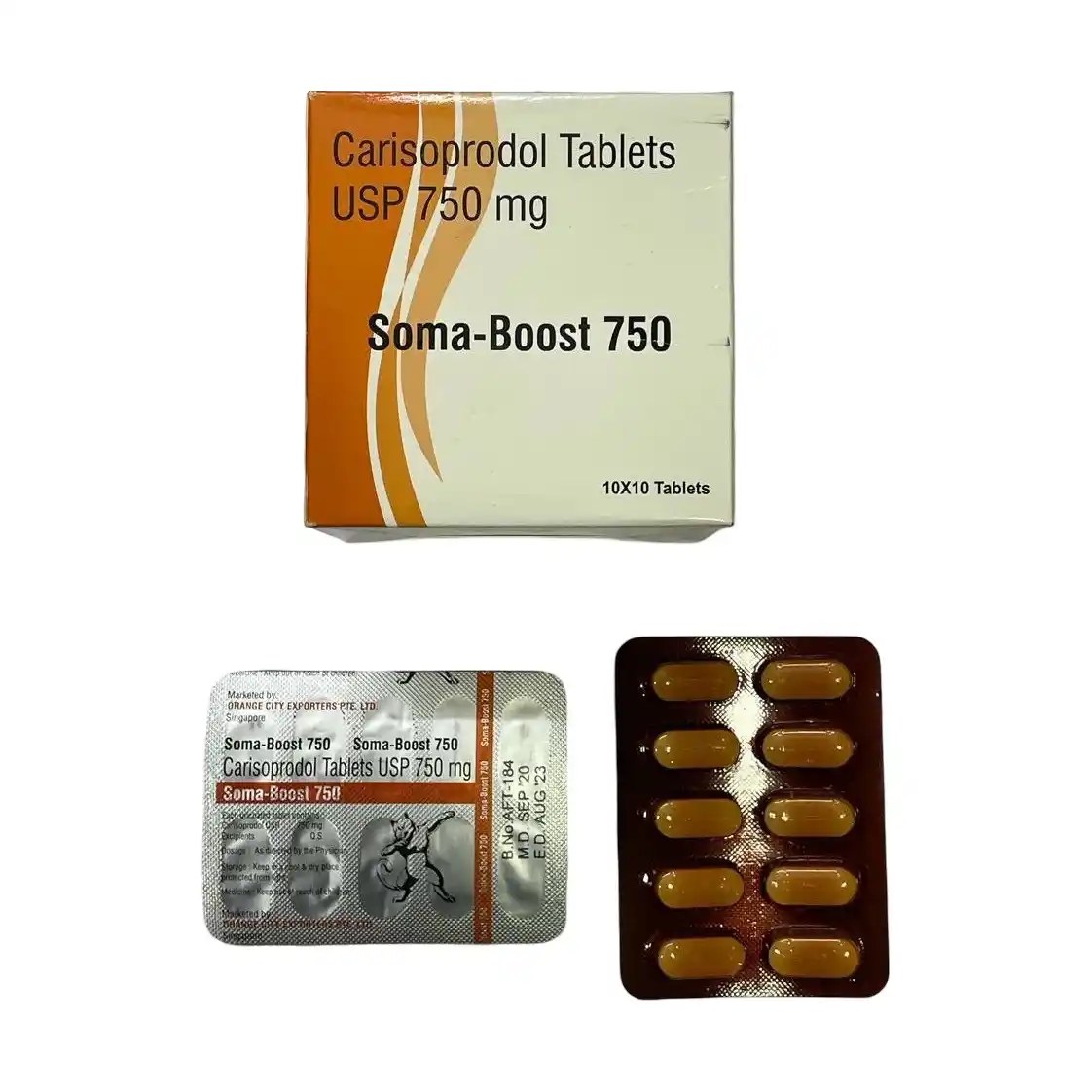
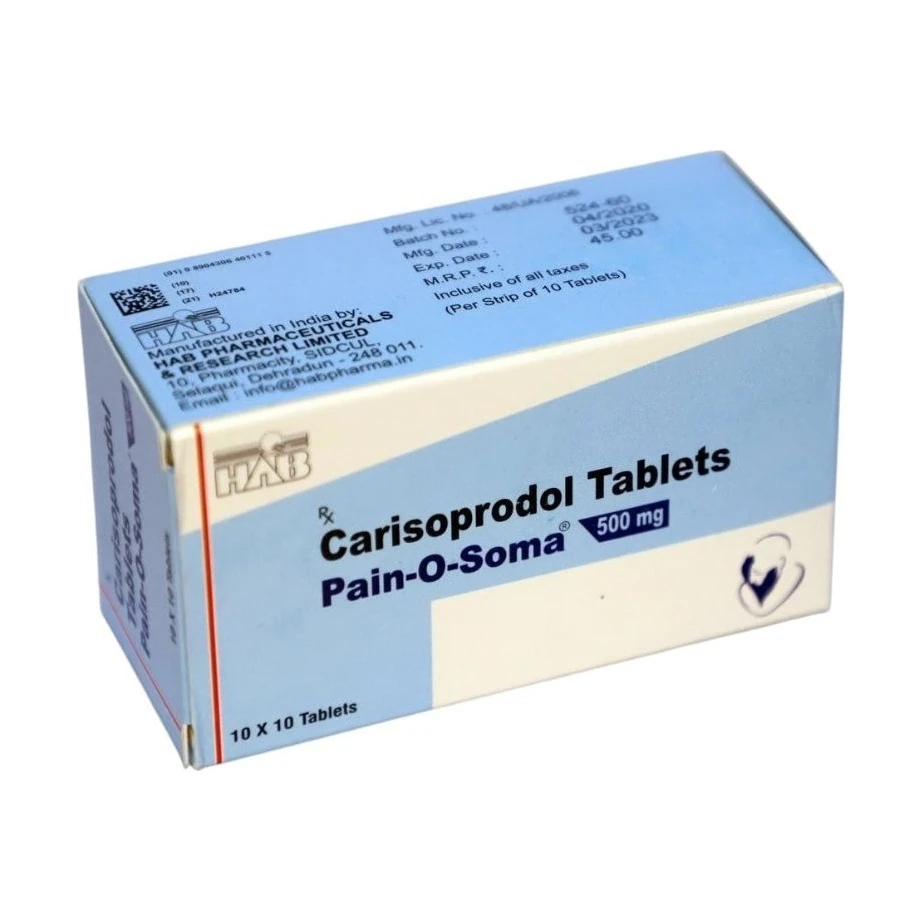
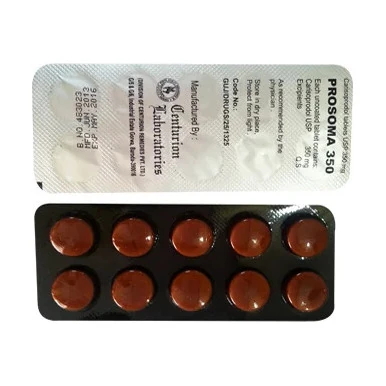
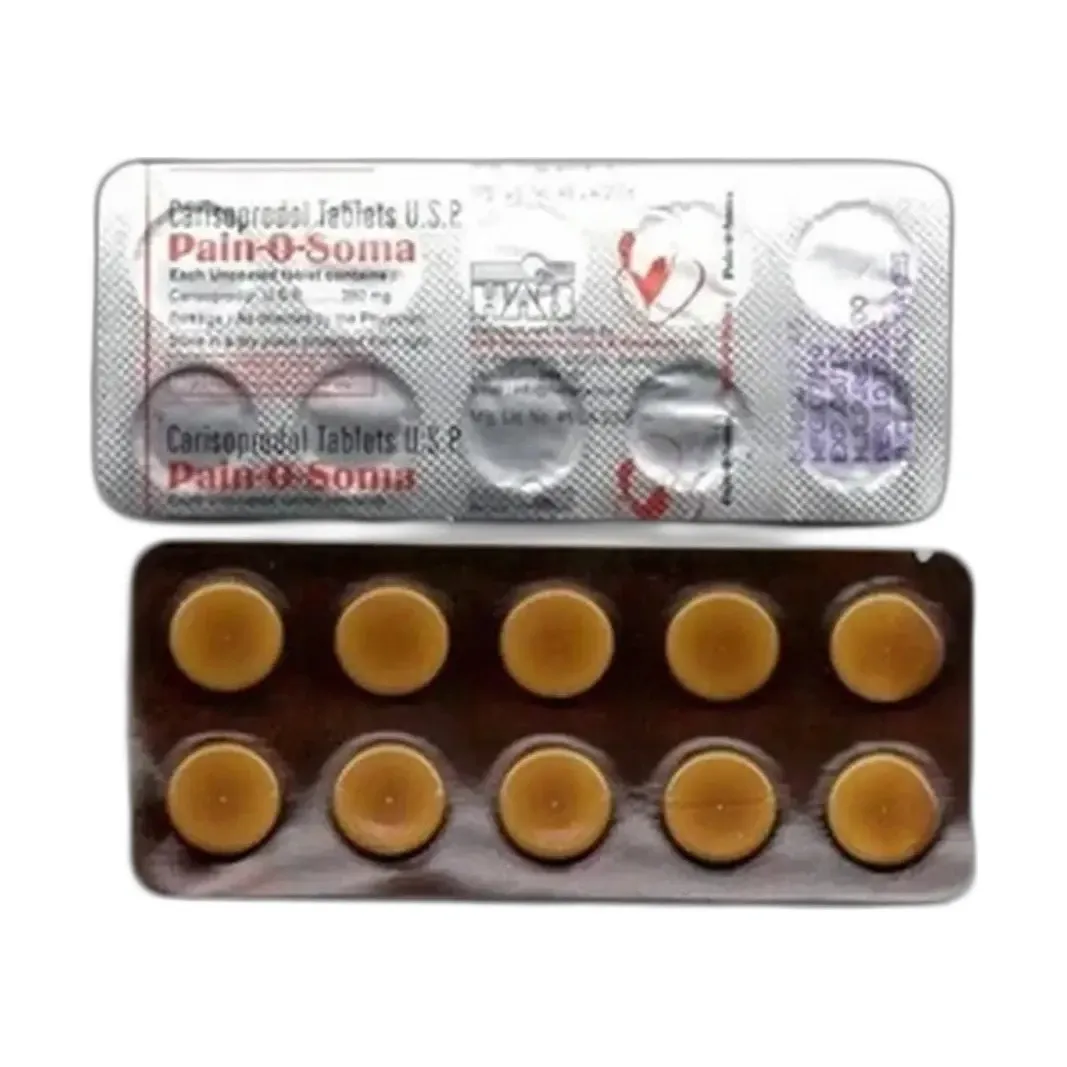
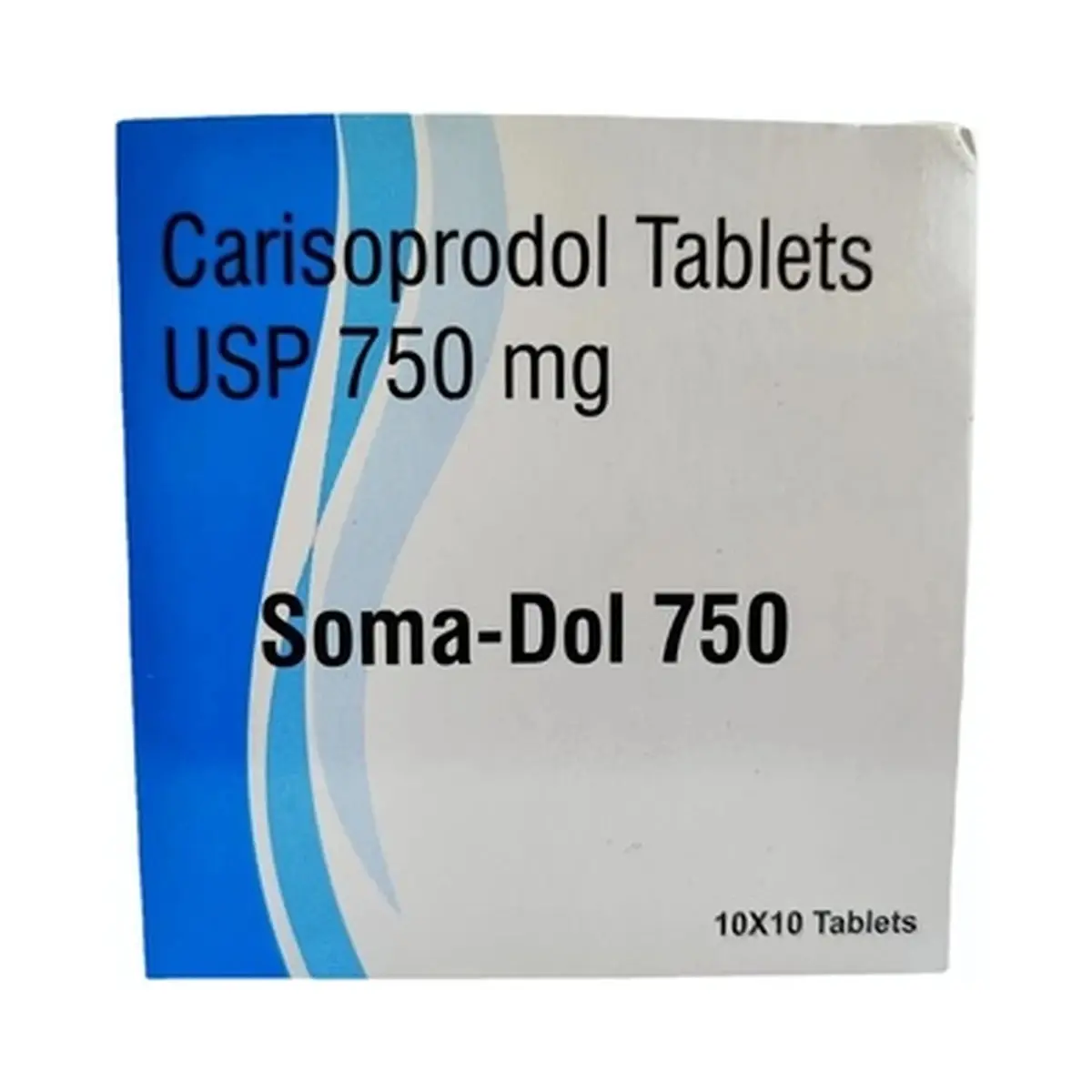
Soma Dol (Carisoprodol) 750 mg
Soma Dol appears to be a carisoprodol tablet product. Carisoprodol is a centrally acting skeletal muscle relaxant used for short-term relief of discomfort associated with acute, painful musculoskeletal conditions in adults. I could not verify an official 750 mg carisoprodol tablet strength in the regulatory sources reviewed; the verified U.S. tablet strengths are 250 mg and 350 mg.
Active Ingredient and Medicine Class
The verified active ingredient is carisoprodol. It belongs to the class of skeletal muscle relaxants with central nervous system effects. Carisoprodol is also a controlled substance in the U.S. because of its potential for misuse, dependence, and withdrawal.
Established Medical Uses
Established prescribing information supports short-term use for the relief of discomfort associated with acute, painful musculoskeletal conditions in adults. The medicine is intended for situations where muscle spasm and pain are part of a recent injury or similar acute musculoskeletal problem.
It is not established as a long-term treatment for chronic pain, and the available regulatory labeling limits use to short treatment periods.
How It Works
Carisoprodol is thought to act in the central nervous system rather than directly on muscles. Its effects are associated with reduced transmission of nerve signals involved in muscle spasm and discomfort, which can lessen the sensation of pain and stiffness. Carisoprodol is metabolised to meprobamate, a compound with sedative properties, which likely contributes to its overall effect and to some of its safety concerns.
Important Safety Information
Important safety concerns include sedation, misuse, dependence, and withdrawal. Carisoprodol has recognised abuse potential, and caution is especially important in people with a history of substance misuse.
It may interact with other medicines or substances that depress the central nervous system, including alcohol, opioids, benzodiazepines, and other sedating medicines, increasing the risk of excessive drowsiness and impaired alertness. Because it can cause CNS depression, it may also affect the ability to perform tasks requiring attention.
Carisoprodol is contraindicated in people with known hypersensitivity to the medicine or related components of the product. Safety information in official labeling also highlights the need for caution in people with liver or kidney impairment and in older adults, where sedating effects may be more problematic.
Possible Side Effects
Common adverse effects reported with carisoprodol include drowsiness, dizziness, and headache. Some people may also experience nausea or other gastrointestinal discomfort.
More serious adverse reactions can include profound sedation, confusion, falls, allergic reactions, dependence, and withdrawal symptoms after prolonged use or abrupt discontinuation in people who have used the medicine regularly. Because of its sedative potential, impairment may be more pronounced when combined with other CNS depressants.
Scientific Evidence
Clinical research has shown that carisoprodol may improve symptoms in acute lower-back spasm, but the evidence base is limited and its usefulness is tempered by safety concerns, particularly misuse potential. Reviews of muscle relaxant therapy have described benefit for some patients with acute musculoskeletal pain, while also noting central nervous system adverse effects such as drowsiness and dizziness.
Overall, the scientific literature supports only cautious, short-term use in selected acute musculoskeletal conditions, rather than routine or prolonged therapy.
Medical Information Notice
This page is an educational summary based on sources available at the time of review. It does not replace the official patient leaflet, full prescribing information, or assessment by a qualified healthcare professional.
Medical Sources
- U.S. Food and Drug Administration Carisoprodol tablets, official prescribing information. View official FDA label
- DailyMed / National Library of Medicine Carisoprodol tablet, official drug label. View official DailyMed label
- G S Rust et al. Carisoprodol as a drug of abuse. Arch Fam Med, 1993. View scientific article
- Lee Ralph et al. Double-blind, placebo-controlled trial of carisoprodol 250-mg tablets in the treatment of acute lower-back spasm. Curr Med Res Opin, 2008. View scientific article