Description
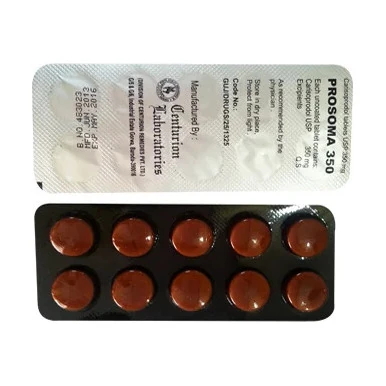
Prosoma (Carisoprodol) 350 mg
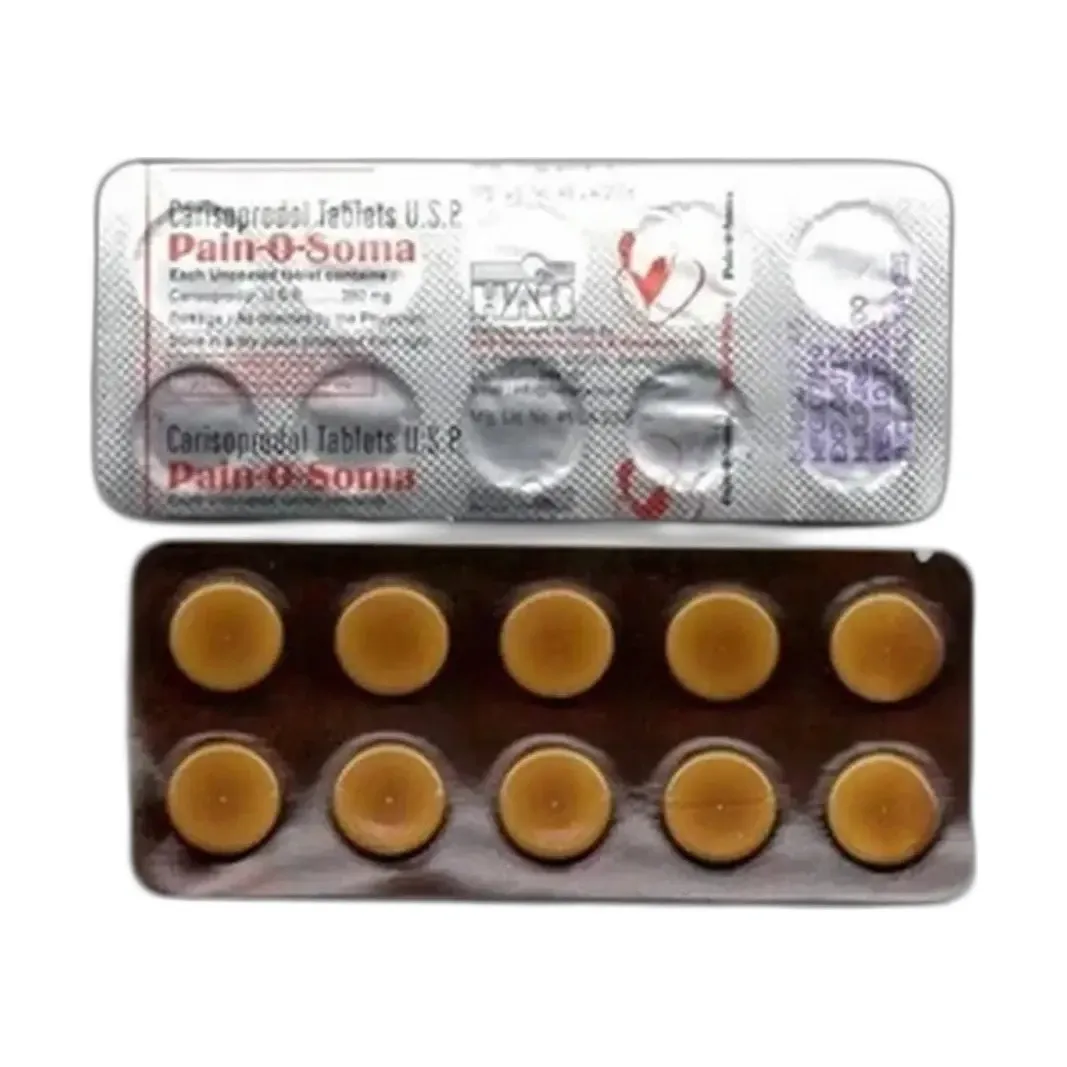
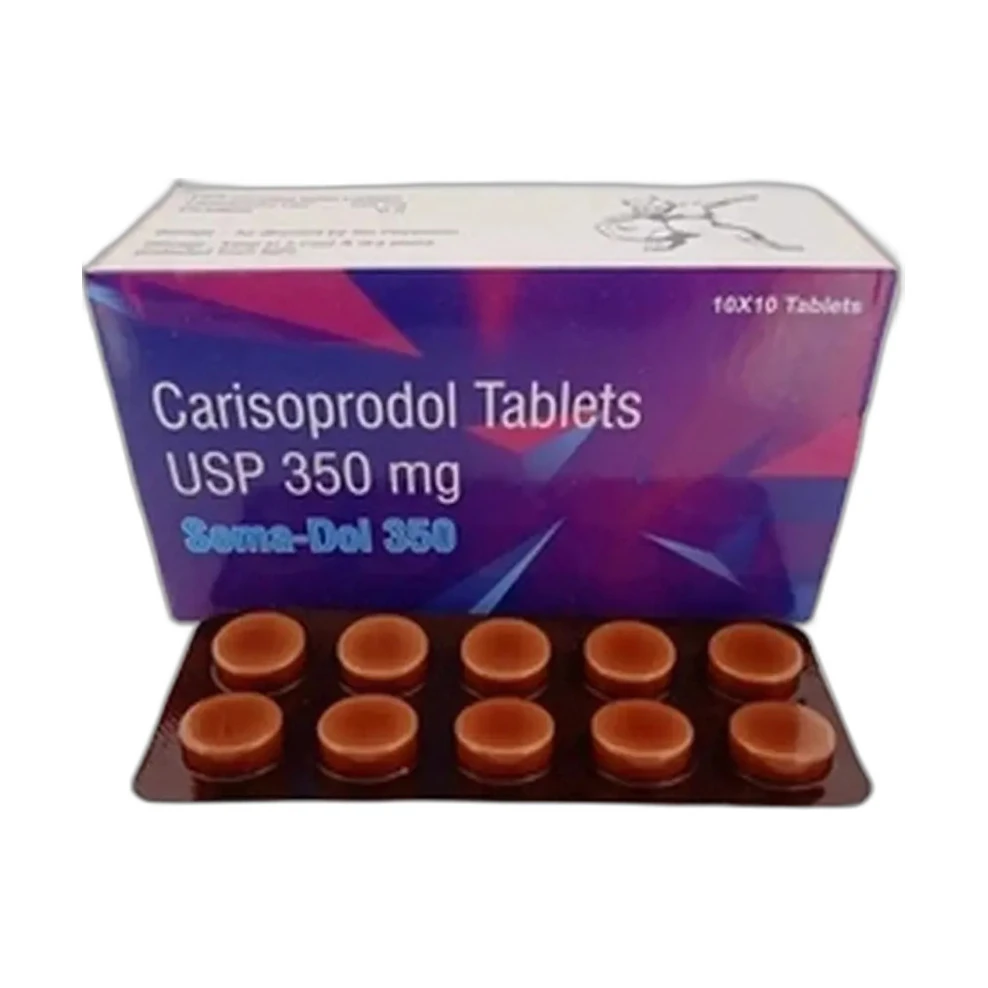
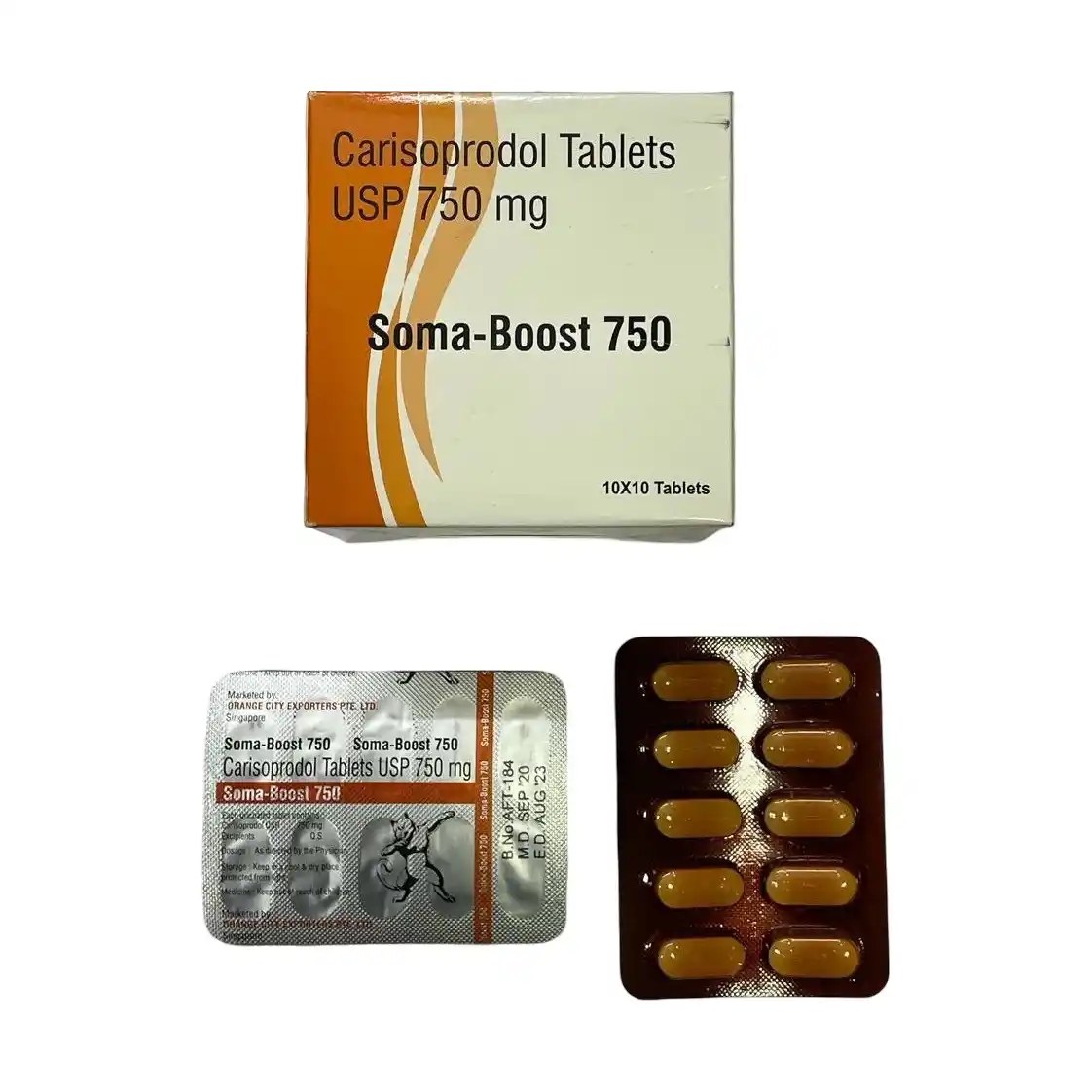
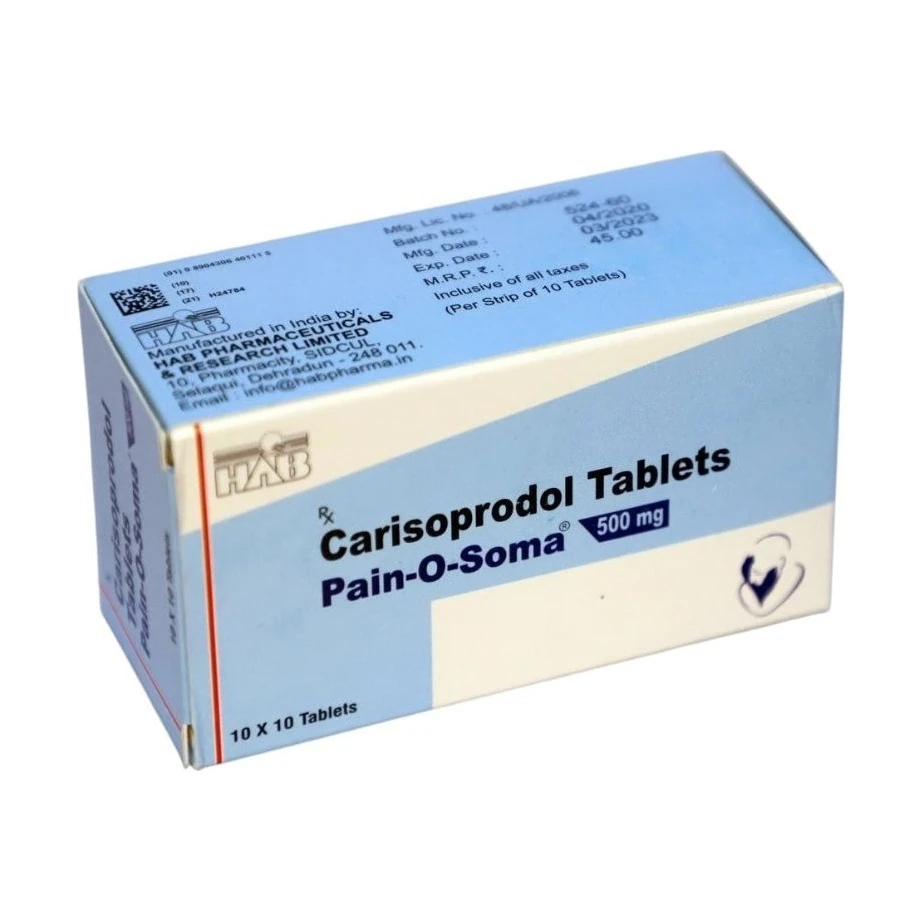
Prosoma 350 mg is a branded tablet product containing carisoprodol, a centrally acting skeletal muscle relaxant. The active ingredient is used in adults for short-term relief of discomfort associated with acute, painful musculoskeletal conditions.
Active Ingredient and Medicine Class
The verified active ingredient is carisoprodol. It belongs to the class of centrally acting skeletal muscle relaxants. It does not directly relax skeletal muscle; rather, its effects are mediated through the central nervous system.
Established Medical Uses
Carisoprodol is indicated for the relief of discomfort associated with acute, painful musculoskeletal conditions in adults. Official prescribing information limits use to short periods because adequate evidence for longer-term treatment has not been established and these conditions are generally short in duration.
How It Works
The exact mechanism by which carisoprodol relieves musculoskeletal discomfort has not been fully identified. Available evidence indicates that it acts in the central nervous system and is associated with altered interneuronal activity in the spinal cord and descending pathways in the brain. Carisoprodol is metabolized to meprobamate, a compound with sedative and anxiolytic properties, which may contribute to its overall effects.
Important Safety Information
Carisoprodol is contraindicated in people with a history of acute intermittent porphyria or a hypersensitivity reaction to carbamates such as meprobamate. It can cause sedation and may impair alertness, which is relevant for activities requiring concentration. Additive sedative effects may occur with other central nervous system depressants, including alcohol, benzodiazepines, opioids, and tricyclic antidepressants.
Prescribing information also highlights risks of abuse, dependence, and withdrawal, as well as reported seizures, especially in the setting of misuse or overdose. Caution is advised in people with reduced CYP2C19 activity, because this can alter exposure to carisoprodol and meprobamate. The medicine should be used carefully in patients taking CYP2C19 inhibitors or inducers, which may change its metabolic profile.
Possible Side Effects
The most commonly reported adverse effects are drowsiness, dizziness, and headache. Other reported effects include nausea, vomiting, ataxia, tremor, agitation, irritability, syncope, and insomnia. More serious reactions may include seizures, hallucinations, psychosis, respiratory depression in overdose, and withdrawal symptoms after abrupt discontinuation following prolonged use.
Scientific Evidence
Human evidence supporting carisoprodol focuses on short-term symptomatic relief in acute musculoskeletal pain. In clinical studies summarized in official labeling, carisoprodol showed benefit over placebo for acute low back pain, but the evidence base does not support prolonged use. Published reviews also note that therapeutic usefulness is limited by sedation and a recognized potential for misuse, dependence, and withdrawal. Scientific literature further supports that carisoprodol is metabolized to meprobamate and may influence GABA-related central nervous system effects, helping explain its sedative profile and abuse potential.
Medical Information Notice
This page is an educational summary based on sources available at the time of review. It does not replace the official patient leaflet, the full prescribing information, or assessment by a qualified healthcare professional.
Medical Sources
- U.S. Food and Drug Administration. SOMA (carisoprodol) tablets for oral use, CIV. View official prescribing information
- DailyMed / National Library of Medicine. Carisoprodol Tablets, USP, 350 mg. View official product label
- Reeves RR, Burke RS. Carisoprodol: abuse potential and withdrawal syndrome. Current Drug Abuse Reviews, 2010. View scientific article
- Witenko C et al. Considerations for safe use of skeletal muscle relaxants for acute low back pain. Pharmacy and Therapeutics, 2014. View scientific article