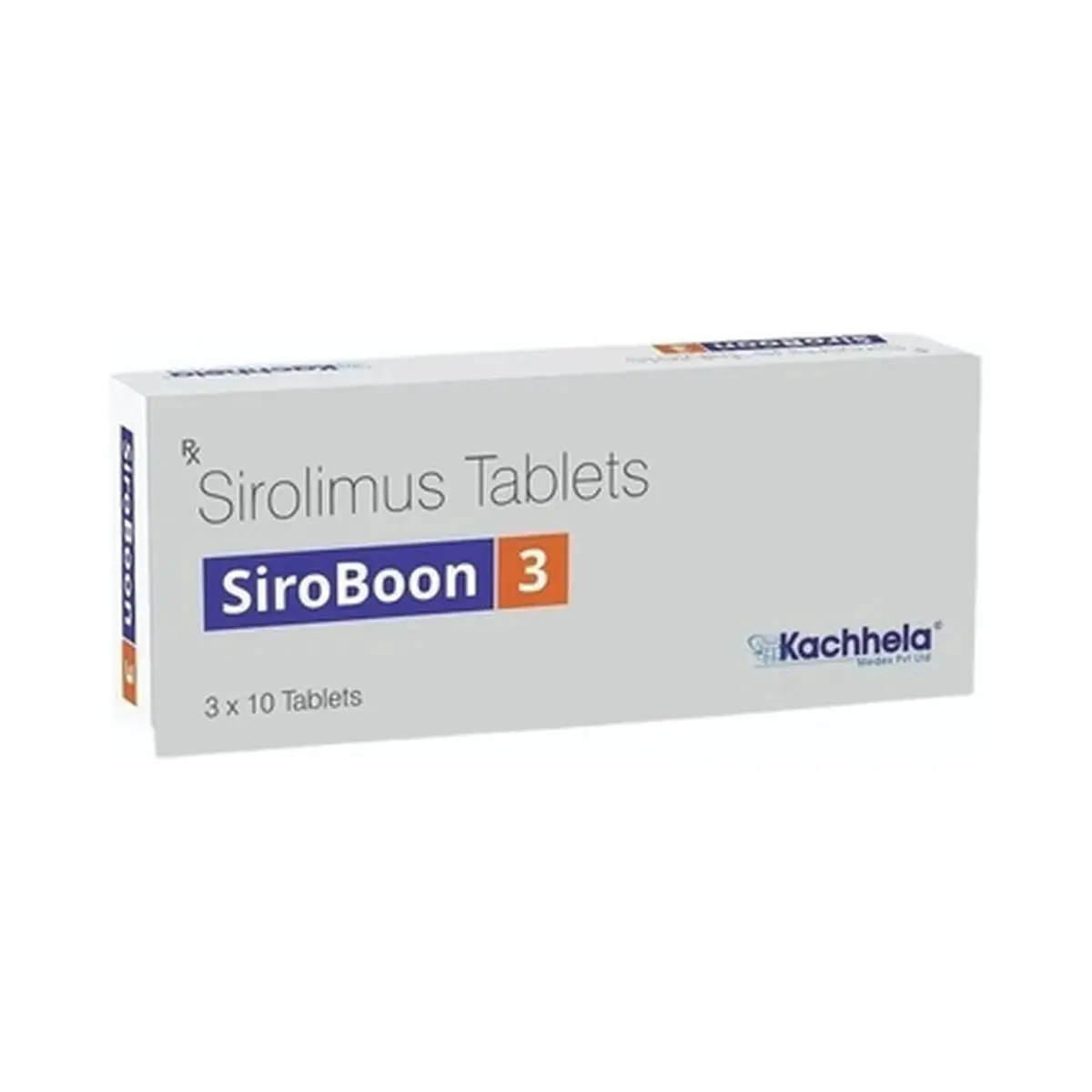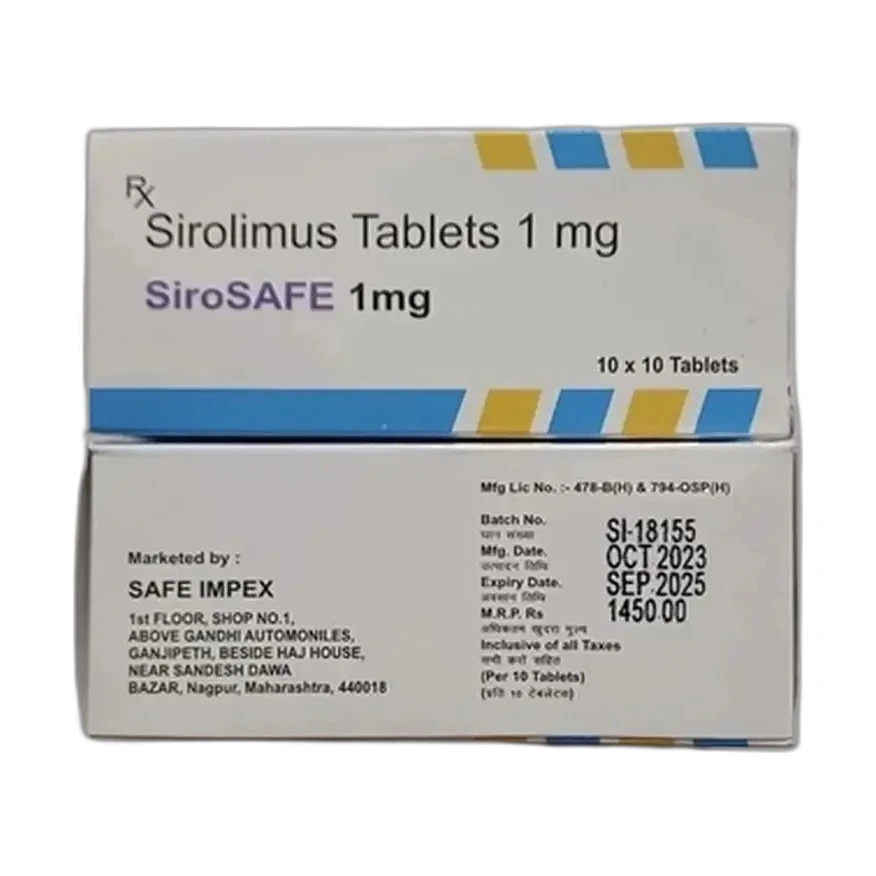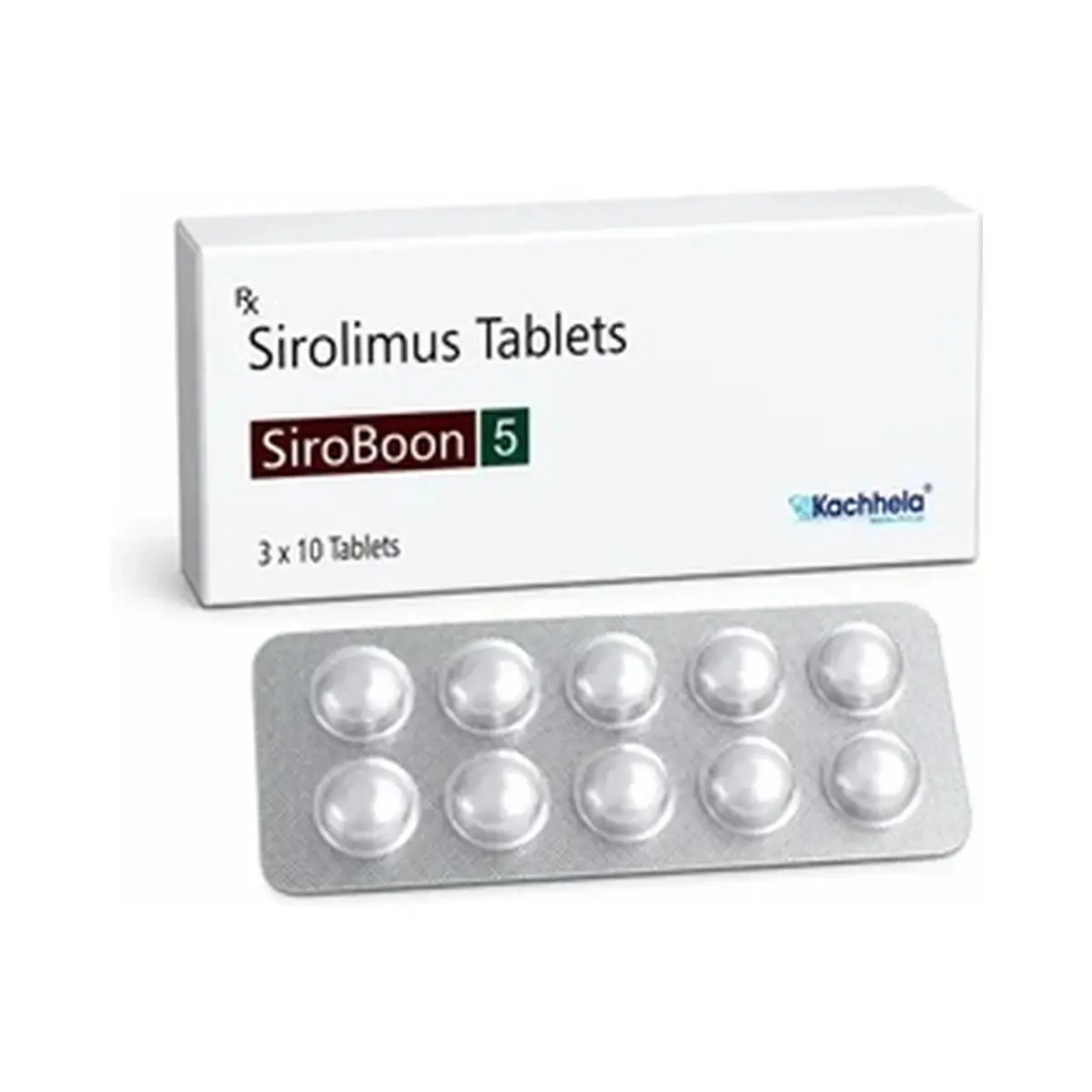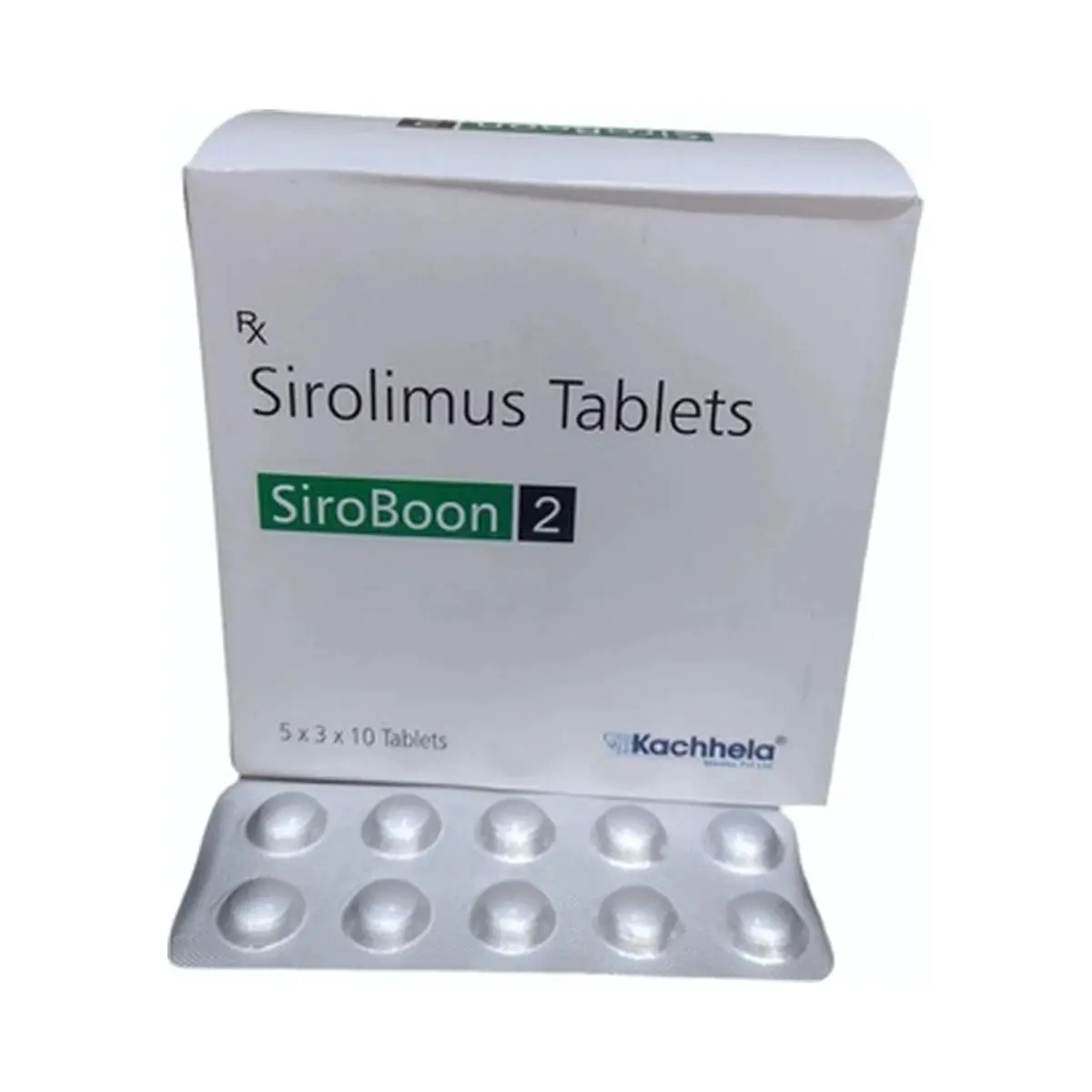
Description
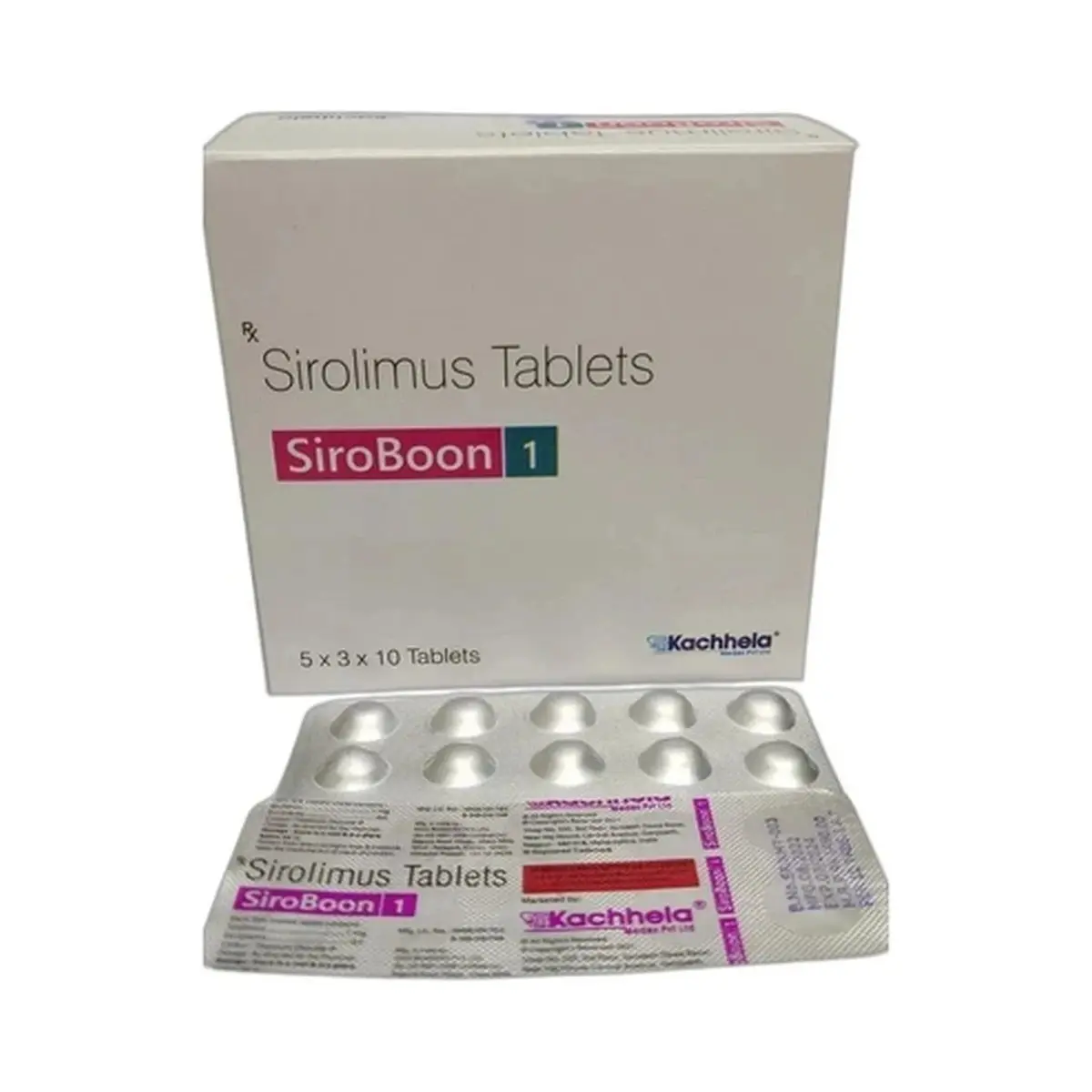
Siroboon (Sirolimus) 1 mg
Siroboon contains sirolimus, an immunosuppressant medicine used in transplant medicine. It is designed to reduce immune system activity so the body is less likely to reject a transplanted organ. The product name should be treated as a brand identifier; the active ingredient verified from regulatory sources is sirolimus.
Active Ingredient and Medicine Class
Sirolimus is an mTOR inhibitor and antiproliferative immunosuppressant. It acts on immune cell growth and activation rather than directly killing immune cells.
Established Medical Uses
Regulatory labeling supports sirolimus for the prophylaxis of organ rejection in renal transplant recipients. In the U.S. labeling, use is described for kidney transplant patients, with important limits on use in liver and lung transplant settings.
How It Works
Sirolimus inhibits the mammalian target of rapamycin (mTOR), a key signaling pathway needed for T-cell activation and proliferation. By blocking this pathway, it helps suppress the immune response that can damage a transplanted organ.
Important Safety Information
Sirolimus carries a boxed warning for immunosuppression-related risks, including increased susceptibility to infection and a higher risk of lymphoma and other malignancies. It is not recommended for liver or lung transplant patients because safety and efficacy have not been established in those settings, and severe transplant-related harms have been reported.
Important interaction concerns include strong CYP3A4 and P-gp inhibitors or inducers, which can raise or lower sirolimus exposure. Grapefruit juice is also listed as a clinically important interaction. Sirolimus may impair wound healing and has been associated with proteinuria, hyperlipidemia, and vaccination-related precautions.
Possible Side Effects
Commonly reported adverse effects include mouth ulcers, diarrhea, abdominal pain, fever, headache, nausea, anemia, edema, hyperlipidemia, and low blood counts. More serious reactions can include serious infection, malignancy, proteinuria, delayed wound healing, interstitial lung disease or pneumonitis, and other transplant-related complications.
Scientific Evidence
Peer-reviewed reviews and clinical summaries show that sirolimus has been used to reduce acute rejection after kidney transplantation, often in combination with other immunosuppressants. The literature also notes important limitations, including metabolic adverse effects, myelosuppression, proteinuria, and wound-healing problems, which can restrict its use.
Medical Information Notice
This summary is for educational purposes only and is based on sources available at the time of review. It does not replace the official patient leaflet, prescribing information, or assessment by a qualified healthcare professional.
Medical Sources
- U.S. FDA / DailyMed — Sirolimus tablets, prescribing information
- U.S. FDA / AccessData — Rapamune (sirolimus) oral solution and tablets, prescribing information
- Zhao DQ, Li SW, Sun QQ, et al. — Sirolimus-Based Immunosuppressive Regimens in Renal Transplantation: A Systemic Review, Transplantation Proceedings, 2016