Description
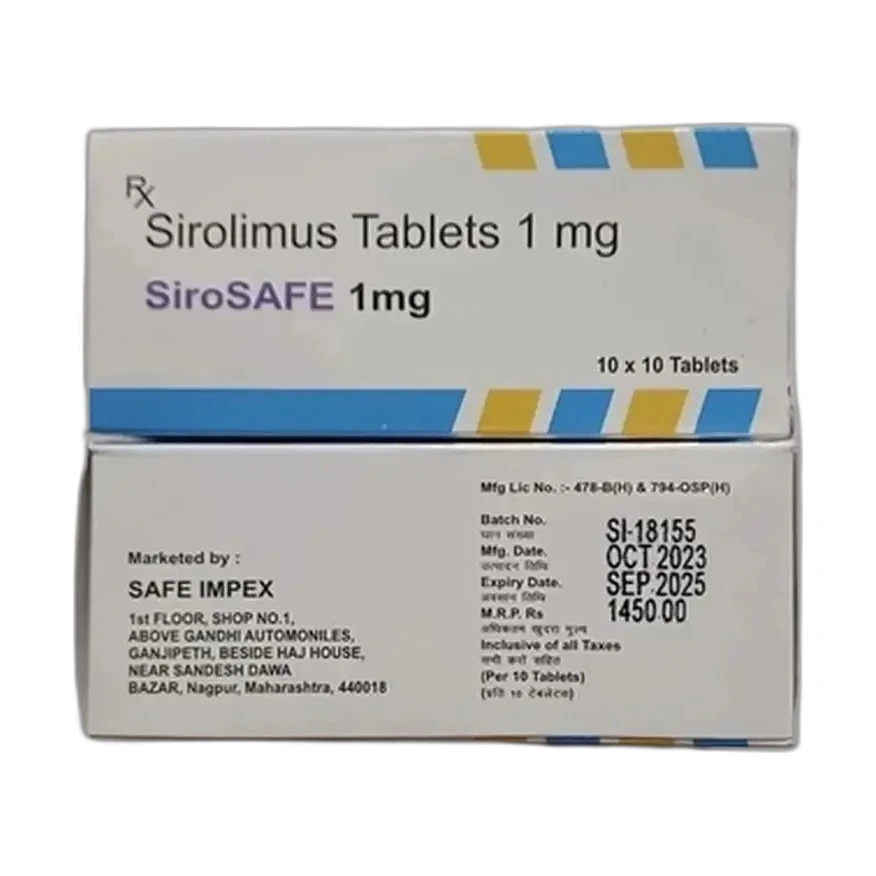
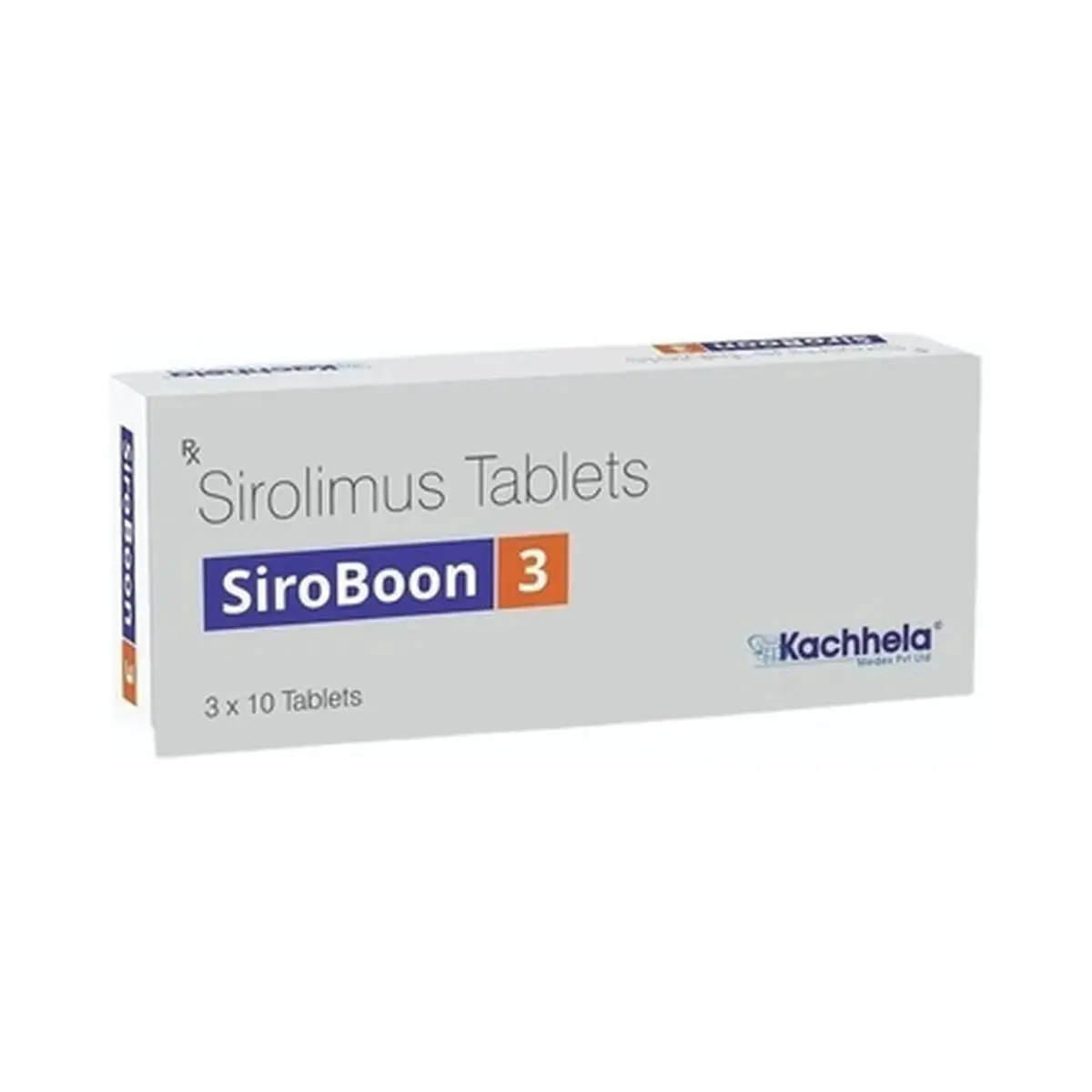
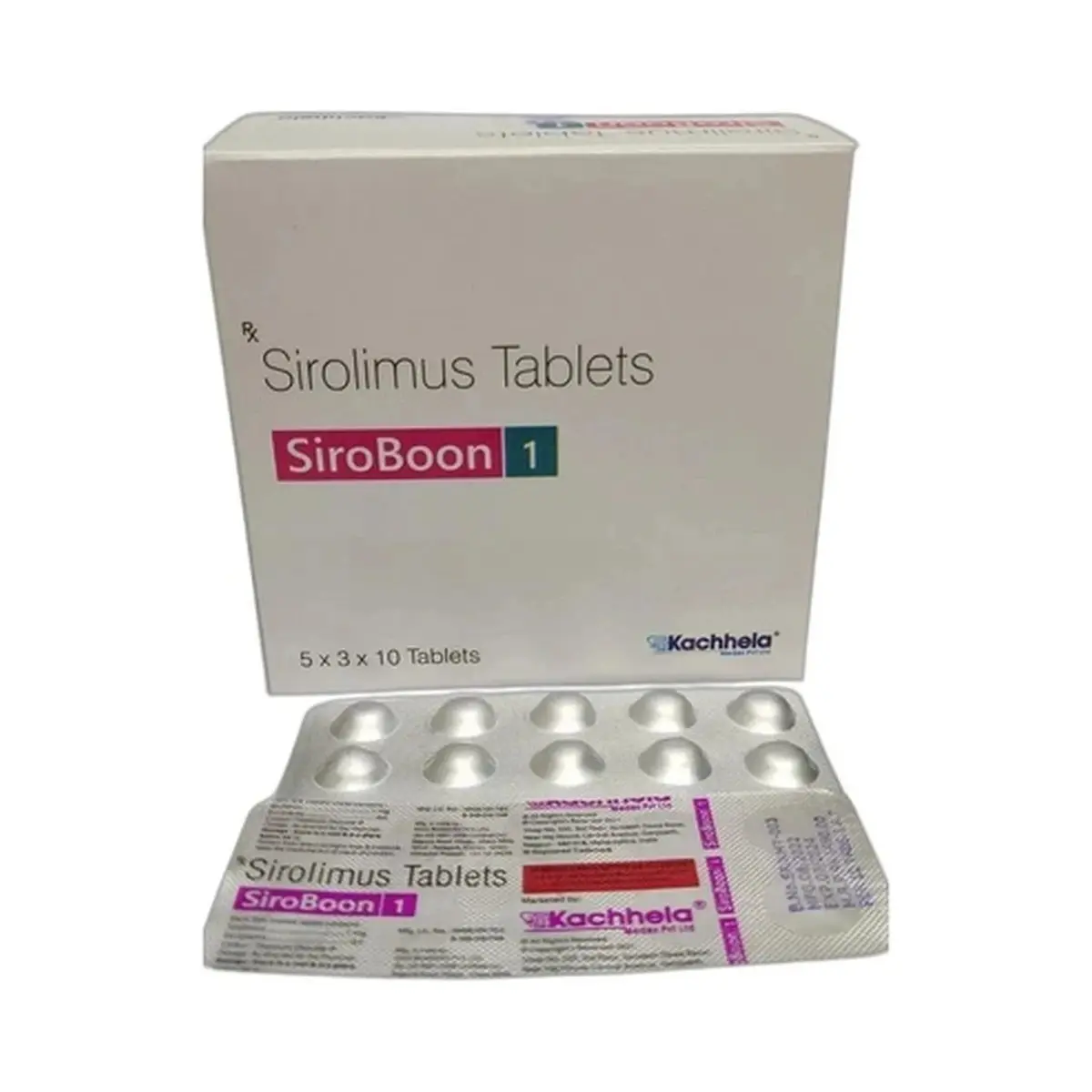
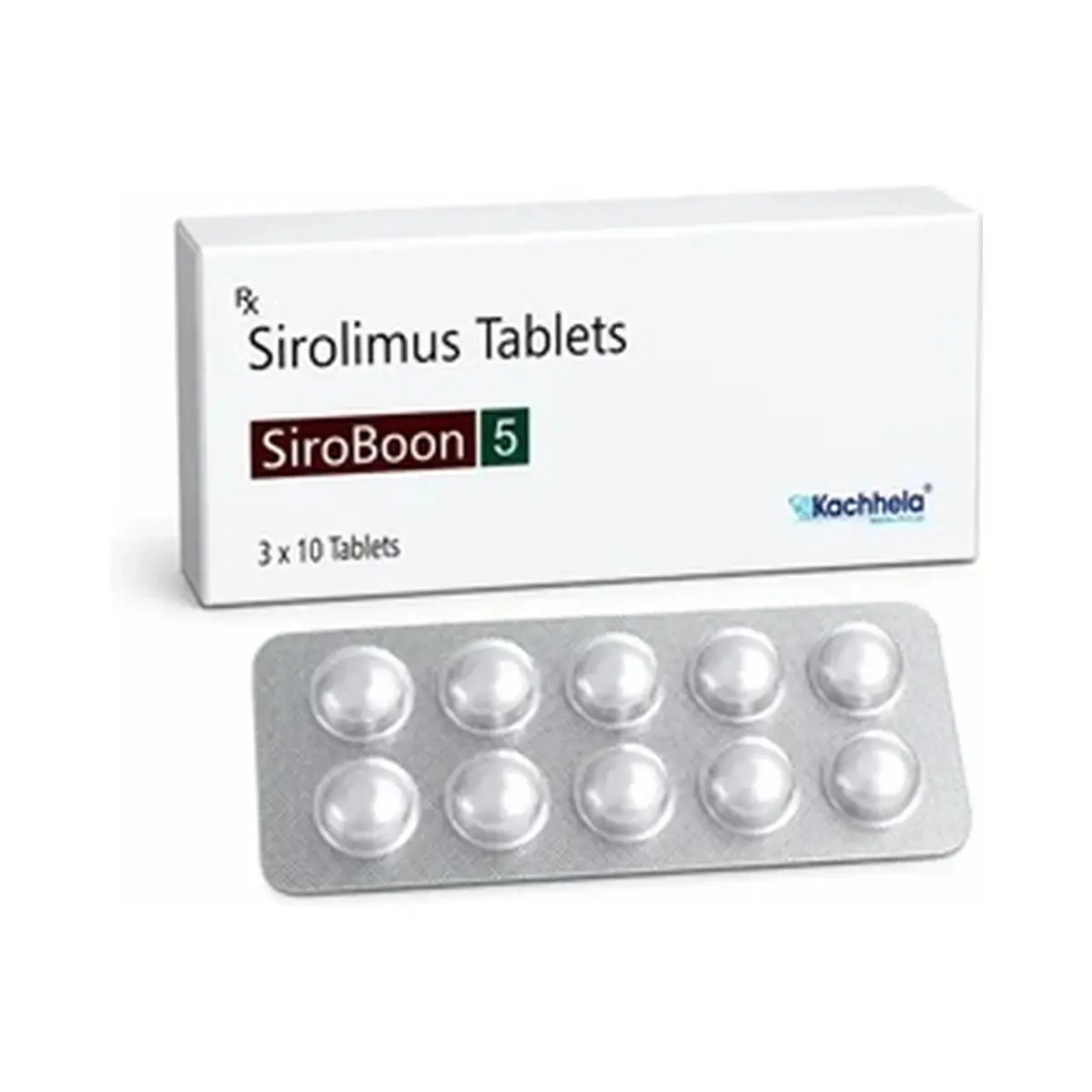
Siroboon (Sirolimus) 5 mg
Siroboon 5 mg is identified as a sirolimus oral tablet. Sirolimus is an immunosuppressive medicine used in transplant medicine to help prevent organ rejection, especially after kidney transplantation. Regulatory information also notes another approved use for lymphangioleiomyomatosis, but the transplant indication is the one supported by the product description provided here.
Active Ingredient and Medicine Class
The verified active ingredient is sirolimus, also known as rapamycin. It is an mTOR inhibitor and an immunosuppressant.
Established Medical Uses
Official prescribing information states that sirolimus is indicated for the prophylaxis of organ rejection in patients aged 13 years or older receiving renal transplants. In some transplant regimens it is used with other immunosuppressive medicines, depending on transplant type and immunologic risk. Its use in liver and lung transplant patients is not recommended in the cited U.S. labeling because safety and efficacy have not been established there, and serious transplant-specific harms have been reported.
How It Works
Sirolimus blocks a key intracellular pathway called mTOR, which helps control T-cell activation and cell proliferation. By dampening this immune response, it lowers the risk that the body will attack a transplanted organ.
Important Safety Information
Sirolimus can increase susceptibility to infection and may increase the risk of lymphoma and other malignancies because it suppresses the immune system. It is contraindicated in people with hypersensitivity to sirolimus. Important warnings in prescribing information include angioedema, fluid accumulation, impaired wound healing, hyperlipidemia, and decline in renal function. U.S. labeling also warns against use in liver and lung transplant settings because of reported serious outcomes. Clinically important interactions occur with cyclosporine and other medicines that affect sirolimus exposure.
Possible Side Effects
Reported adverse effects include mouth ulcers, high cholesterol or triglycerides, swelling, delayed wound healing, proteinuria, myelosuppression, and increased blood sugar. More serious reactions can include severe infection, angioedema, interstitial lung disease/pneumonitis, and certain malignancies.
Scientific Evidence
Peer-reviewed reviews and randomized-trial syntheses support sirolimus as an effective transplant immunosuppressant that can reduce acute rejection in some regimens, but they also show a trade-off with tolerability issues such as dyslipidemia and other toxicities. Overall, the evidence supports its role in selected renal transplant protocols rather than as a universally preferred agent.
Medical Information Notice
This summary is based on sources available at the time of review and is for educational purposes only. It does not replace the official patient leaflet, prescribing information, or assessment by a qualified healthcare professional.
Medical Sources
- DailyMed / U.S. National Library of Medicine: Sirolimus tablets, full prescribing information. View source
- FDA: Rapamune (sirolimus) prescribing information. View source
- Zhao DQ, Li SW, Sun QQ, et al. Sirolimus-Based Immunosuppressive Regimens in Renal Transplantation: A Systemic Review. Transplantation Proceedings. 2016. PubMed