Description
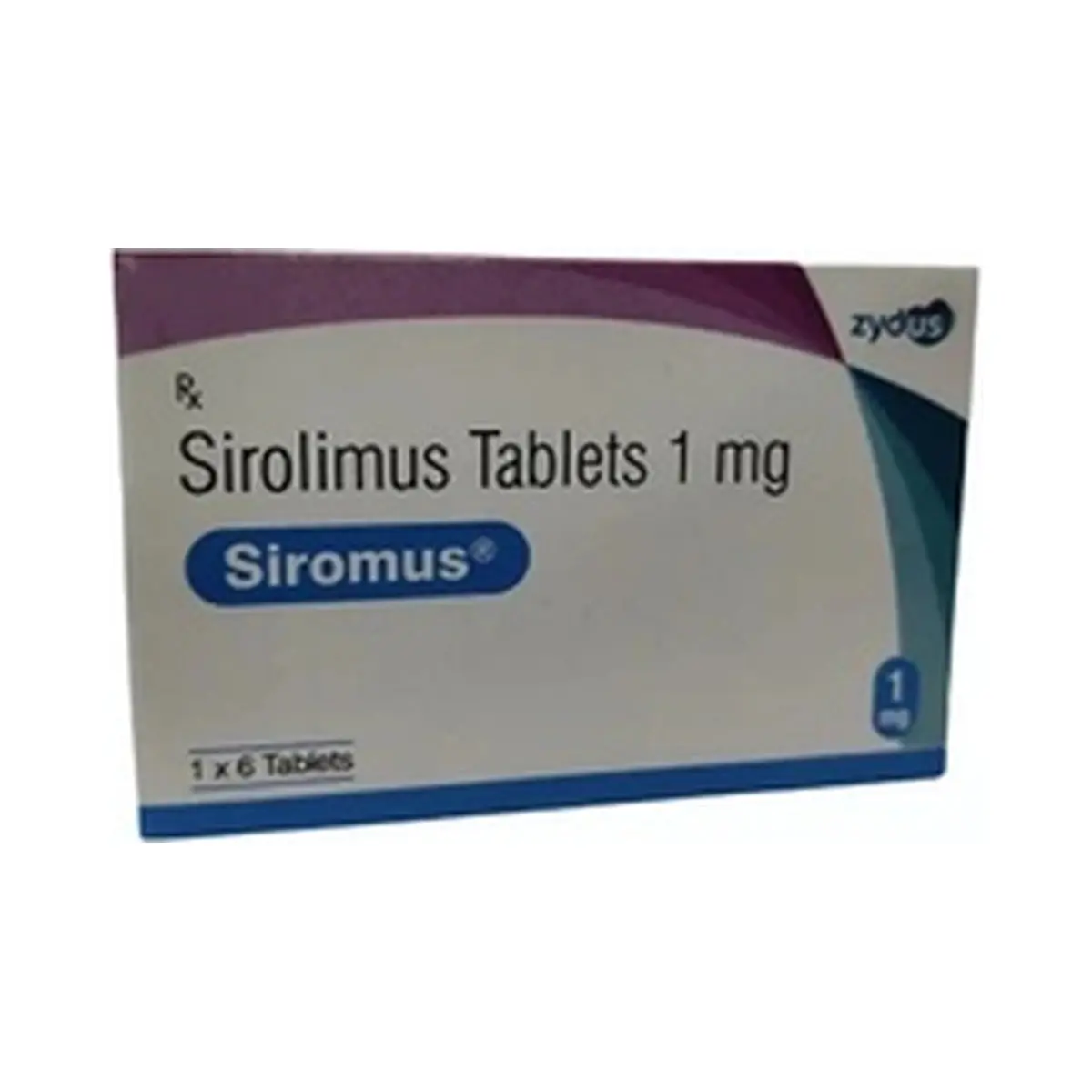
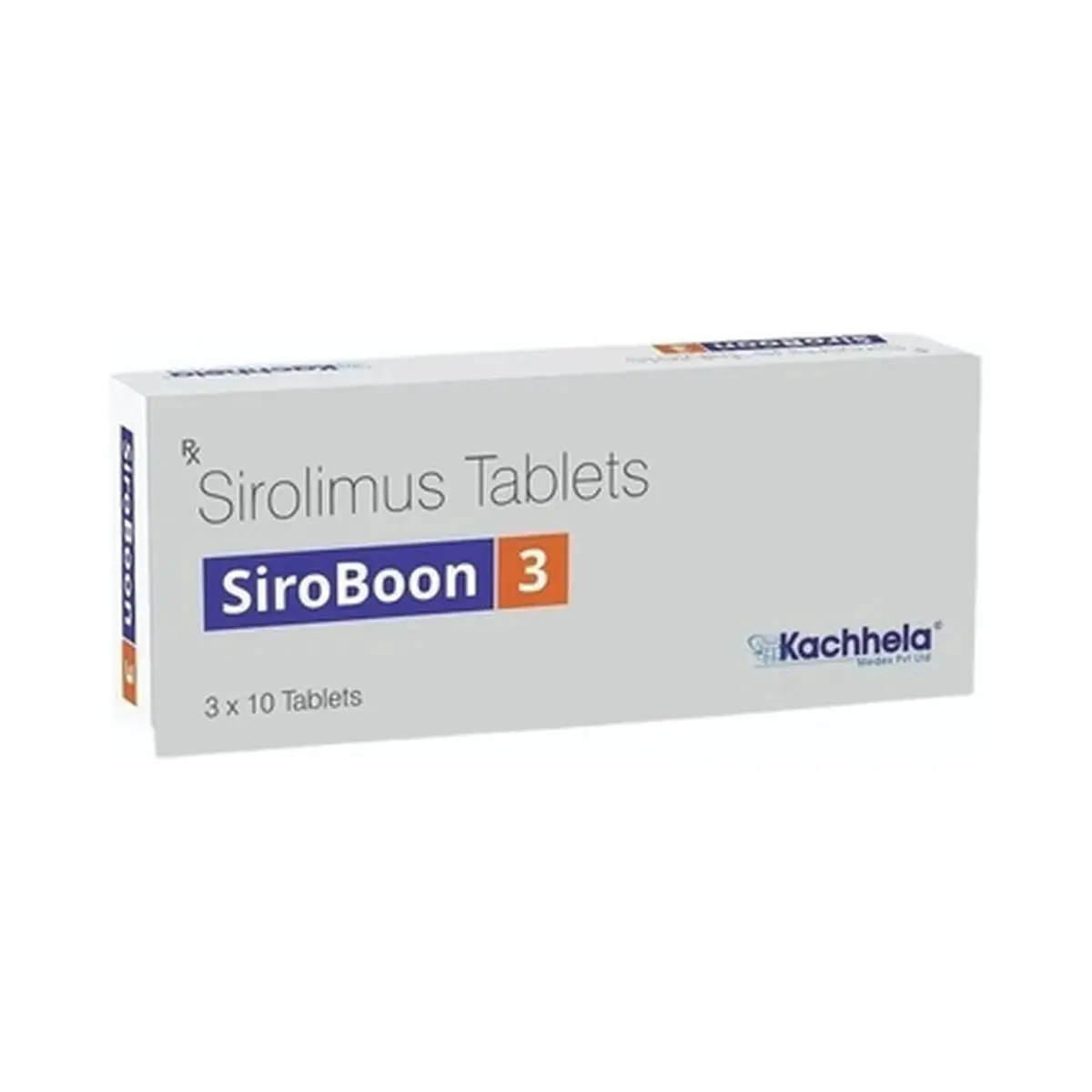
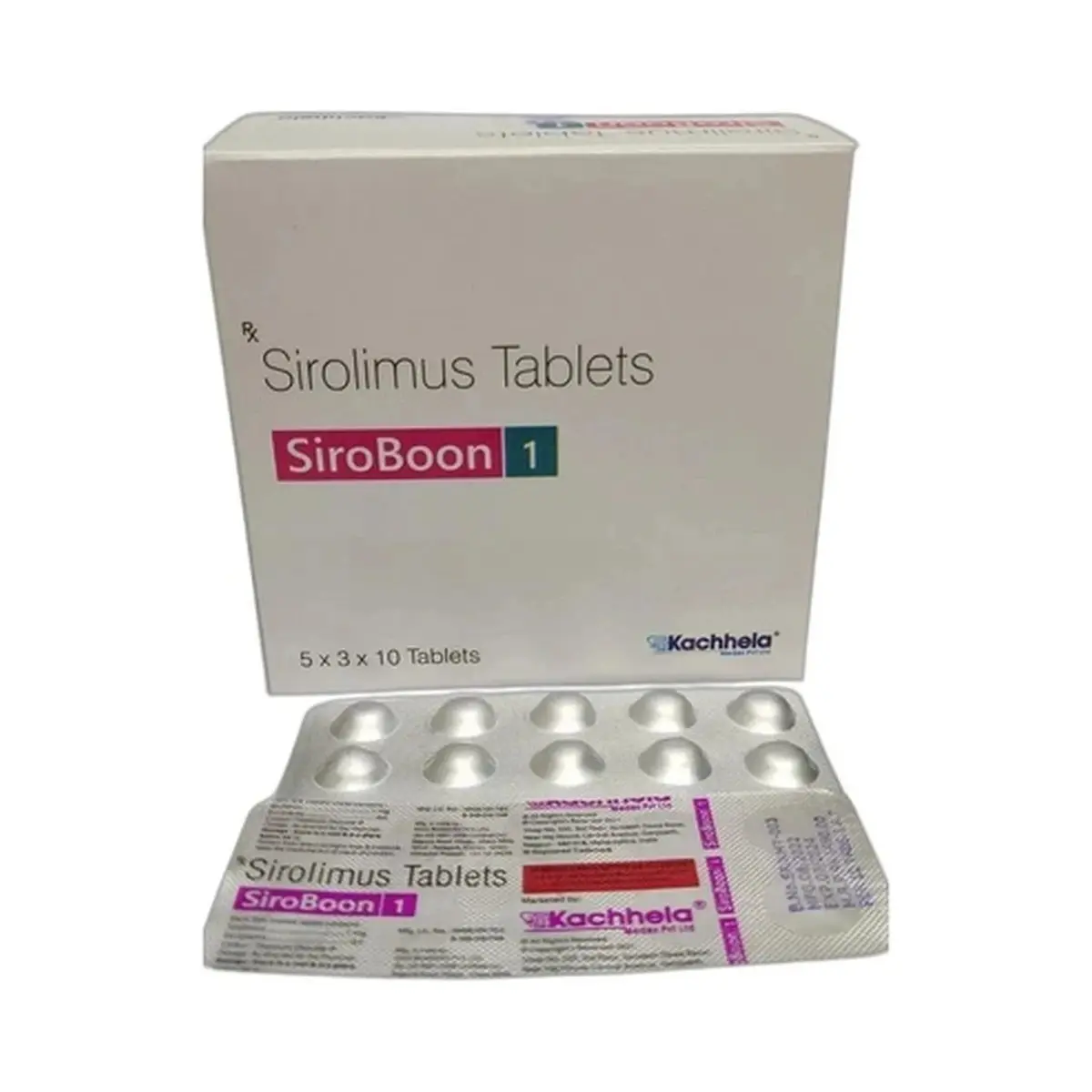
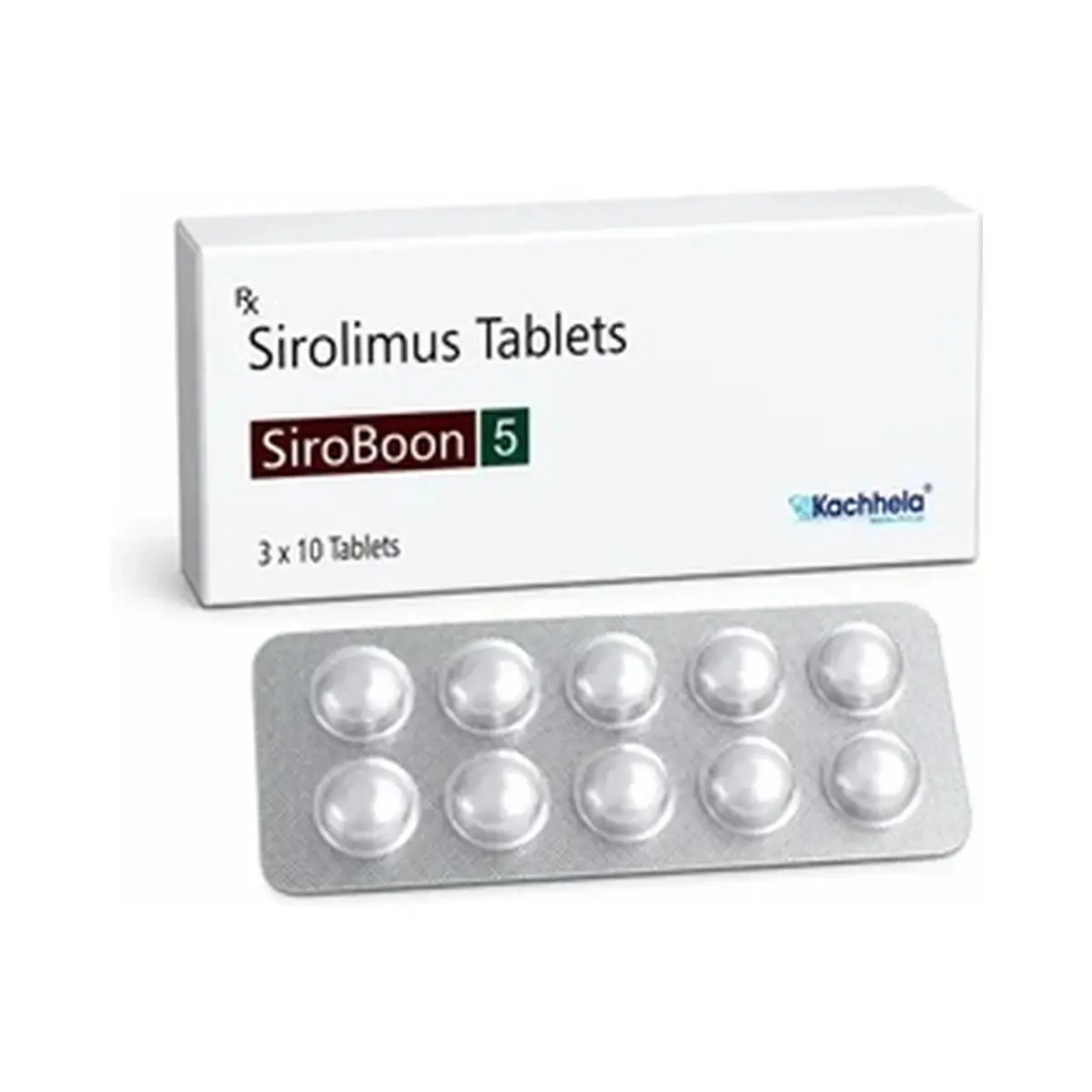
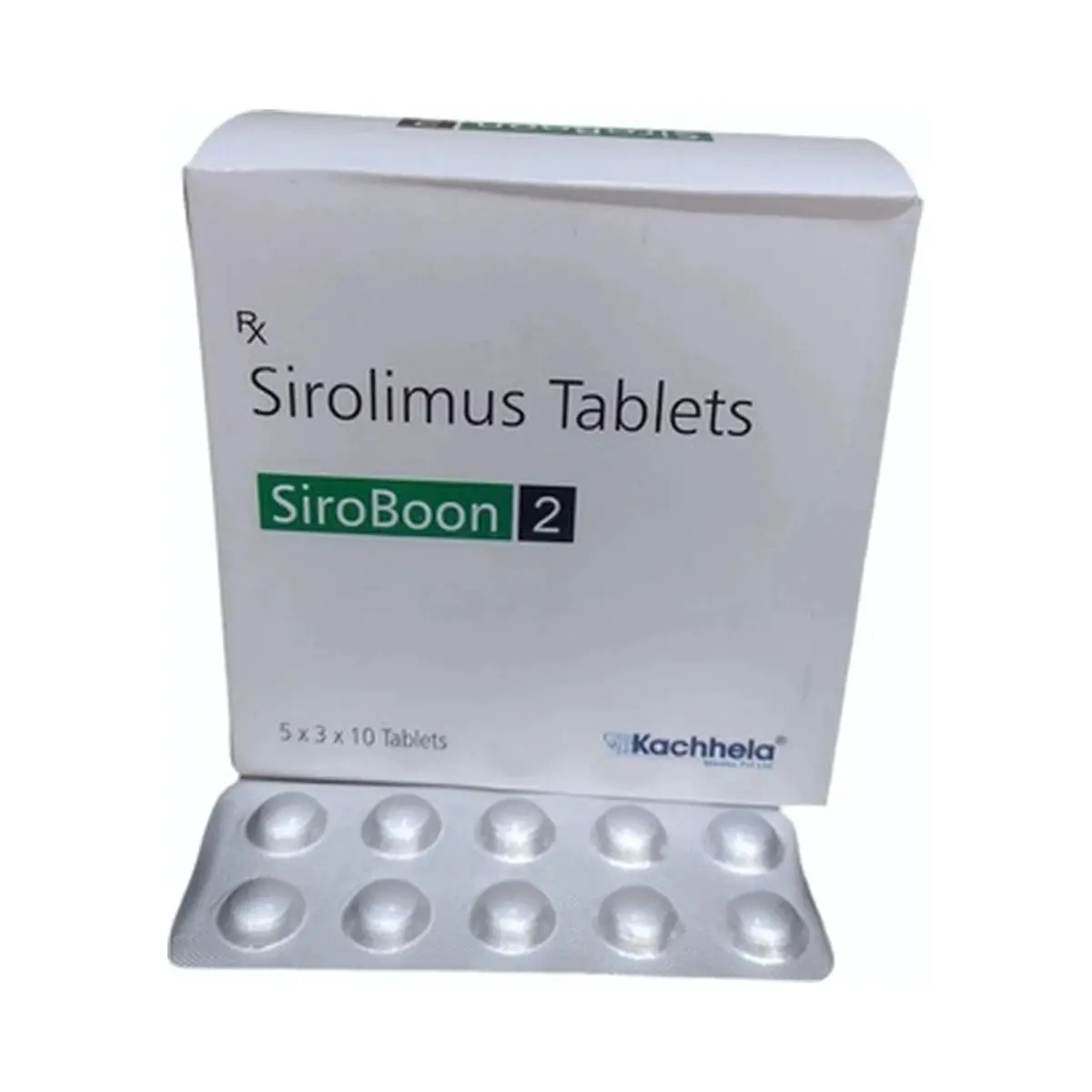
Siroboon (Sirolimus) 2 mg
Siroboon 2 mg is a sirolimus tablet. Sirolimus is an immunosuppressant used in transplant medicine to reduce the risk of organ rejection. Regulatory sources also describe sirolimus as an mTOR inhibitor with established use in renal transplantation and, in some products, treatment of lymphangioleiomyomatosis.
Active Ingredient and Medicine Class
The verified active ingredient is sirolimus. It belongs to the immunosuppressant class and is also described as an mTOR inhibitor or antiproliferative agent.
Established Medical Uses
Sirolimus is authorised for prophylaxis of organ rejection after renal transplantation in adult patients at low to moderate immunological risk. In the EU, the reference product Rapamune is also indicated for sporadic lymphangioleiomyomatosis. The supplied product name and short description support transplant use, but not all sirolimus products have the same full indication set in every country.
How It Works
Sirolimus binds to an intracellular protein and forms a complex that blocks mammalian target of rapamycin (mTOR). This reduces activation and multiplication of T-lymphocytes, which are involved in immune attack against a transplanted organ.
Important Safety Information
Important risks include increased susceptibility to infection and a higher risk of lymphoma and other malignancies due to immunosuppression. Prescribing information also warns about clinically significant interactions with cyclosporine and other medicines that affect CYP3A4 or P-gp. Regulatory sources note that de novo use without cyclosporine has not been established in renal transplant patients, and that conversion from calcineurin inhibitors may increase adverse events in some settings.
Possible Side Effects
Reported adverse effects include mouth ulcers, raised blood lipids, myelosuppression, proteinuria, delayed wound healing, diabetes, and other infections. More serious reactions can include acute rejection, interstitial lung disease or pneumonitis, and worsening renal or metabolic problems in some patients.
Scientific Evidence
Peer-reviewed reviews of kidney-transplant use show that sirolimus-based regimens can reduce rejection risk in some settings, but outcomes depend on the regimen and patient risk profile. Reviews also note limits in tolerability and that some conversion strategies from calcineurin inhibitors may increase rejection, proteinuria, or discontinuation due to adverse events.
Medical Information Notice
This summary is for educational purposes only and is based on sources available at the time of review. It does not replace the official patient leaflet, prescribing information, or assessment by a qualified healthcare professional.
Medical Sources
- European Medicines Agency — Rapamune: EPAR – Medicine overview
- DailyMed — SIROLIMUS tablet
- DailyMed — SIROLIMUS tablet, film coated
- Zhao DQ, Li SW, Sun QQ et al. — “Sirolimus-Based Immunosuppressive Regimens in Renal Transplantation: A Systemic Review,” Transplantation Proceedings, 2016. PubMed article