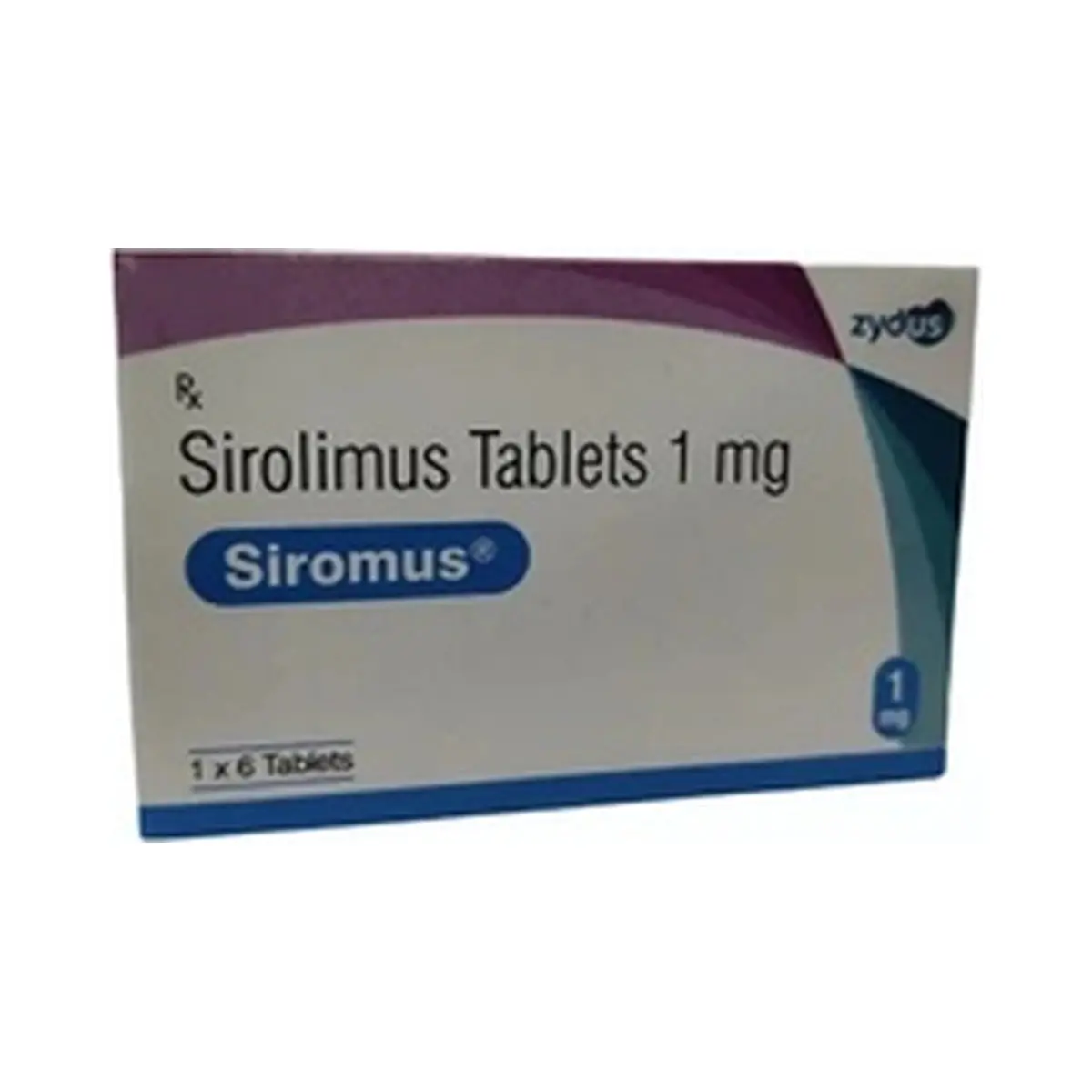
Description
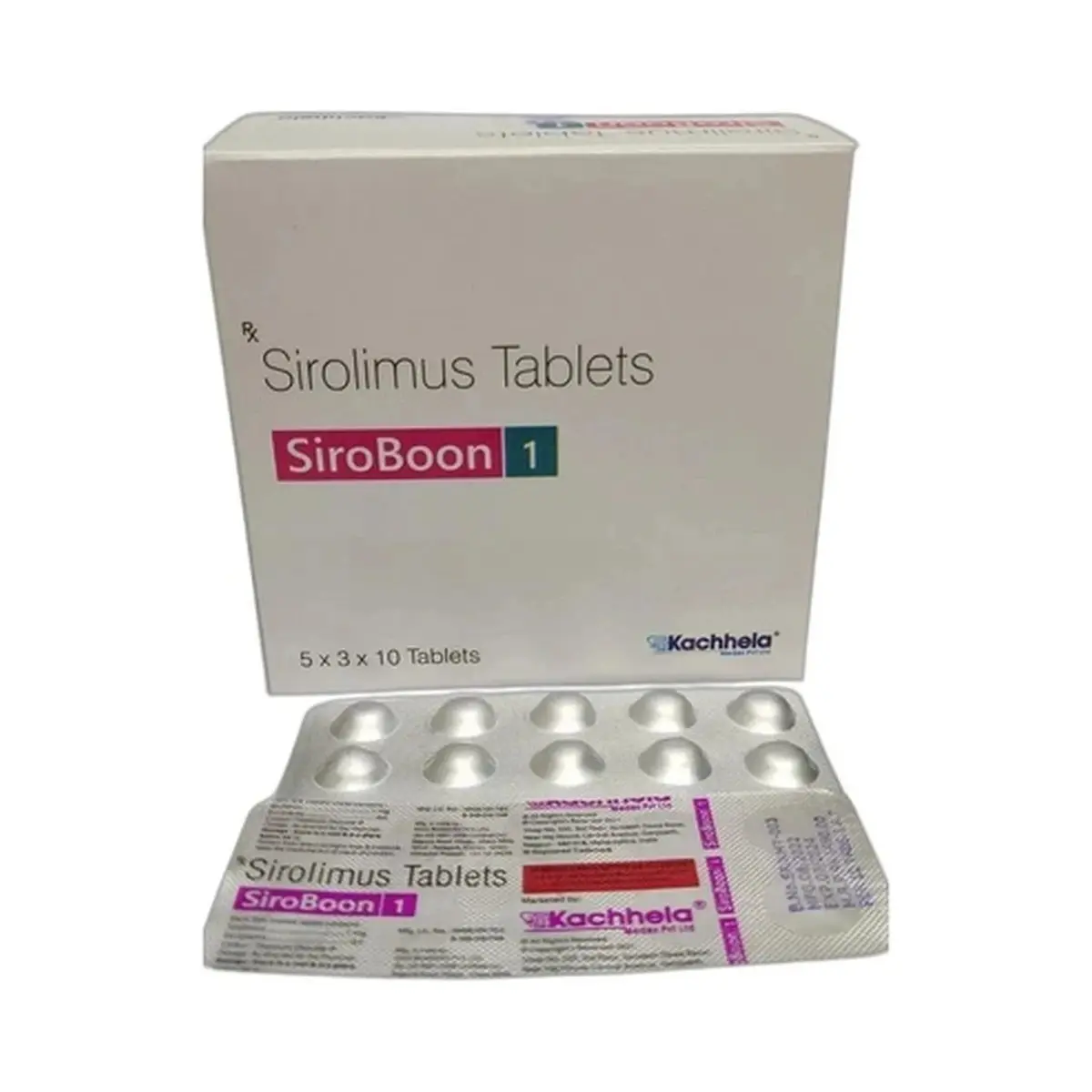
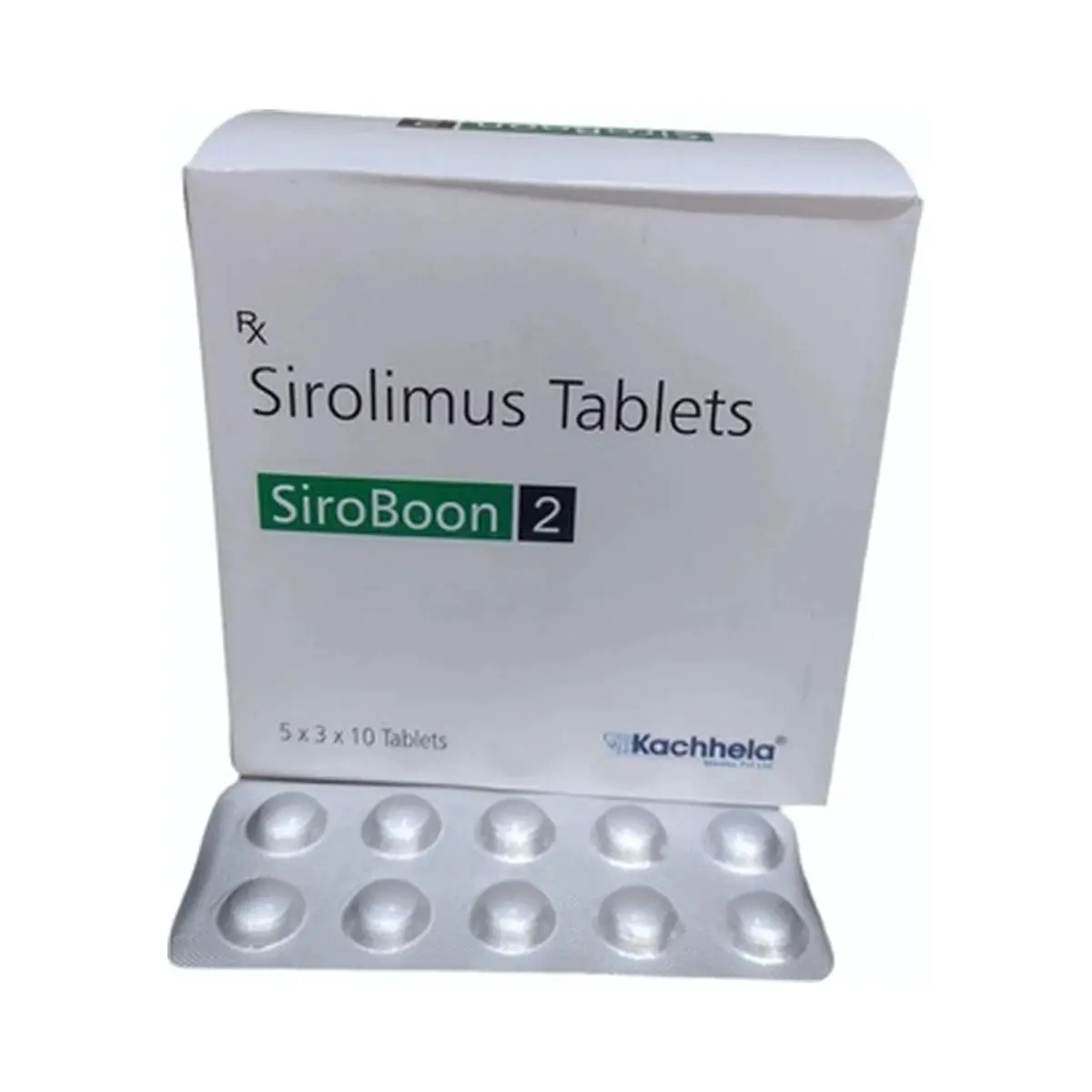
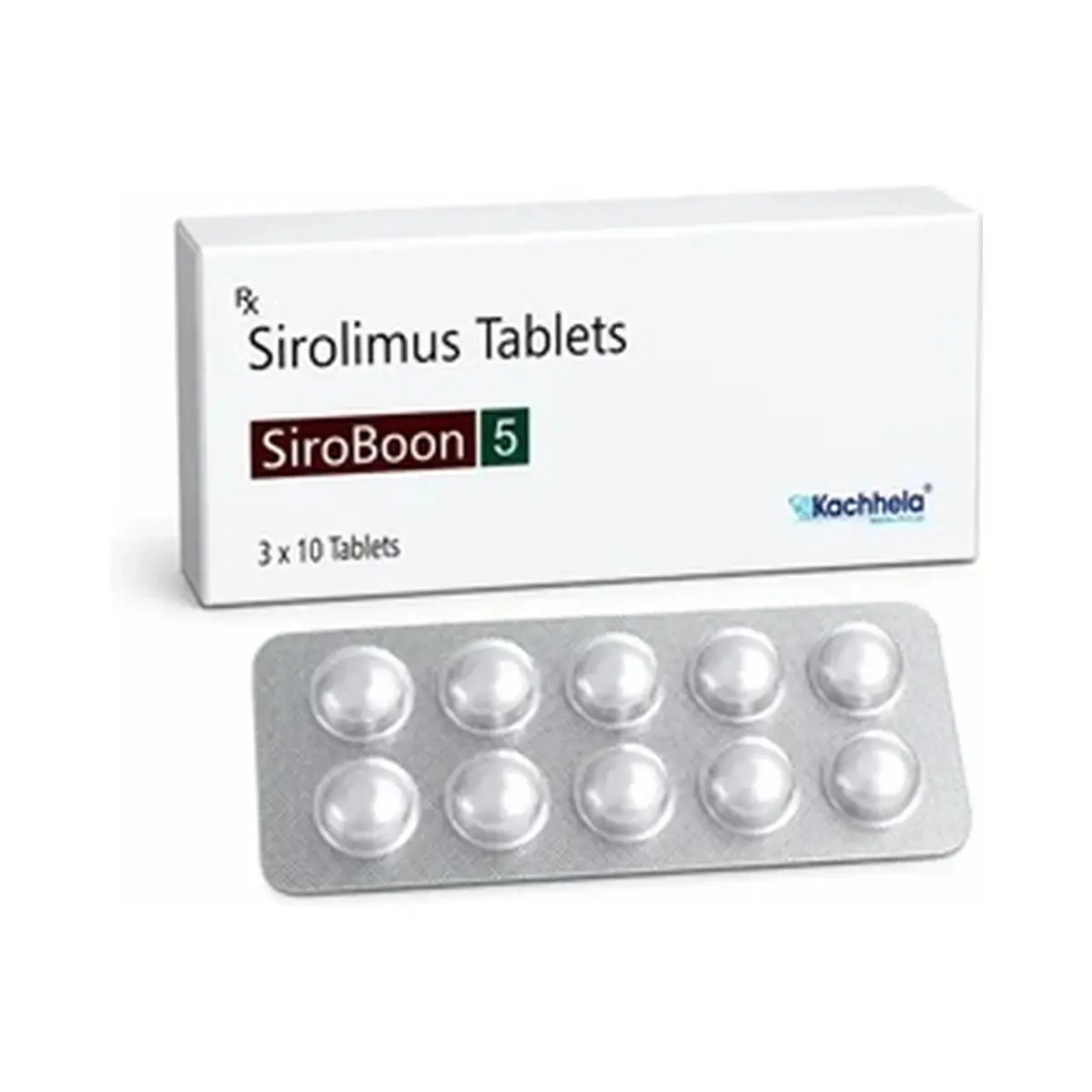
Siromus (Sirolimus) 1 mg – 6 tablets
Siromus is a brand name for sirolimus, an oral immunosuppressant used to help prevent organ rejection after kidney transplantation. Sirolimus is a prescription medicine that affects immune-cell activation and proliferation.
Active Ingredient and Medicine Class
The verified active ingredient is sirolimus, also known as rapamycin. It belongs to the mTOR inhibitor class of immunosuppressive medicines.
Established Medical Uses
Official U.S. prescribing information identifies sirolimus for prophylaxis of organ rejection in renal transplantation, with important limitations of use. It is also approved in the U.S. for treatment of lymphangioleiomyomatosis (LAM). Its use is not recommended in liver or lung transplant patients according to the FDA label.
How It Works
Sirolimus inhibits the mTOR pathway, which helps block cell-cycle progression in immune cells. This reduces activation and expansion of lymphocytes involved in transplant rejection.
Important Safety Information
Sirolimus is contraindicated in patients with hypersensitivity to the product. As an immunosuppressant, it can increase susceptibility to serious infections and malignancies, including lymphoma and skin cancers. The FDA label also warns about abnormal wound healing, fluid accumulation, hyperlipidemia, and increased risk when combined with strong CYP3A4/P-gp inhibitors or inducers; cannabidiol may also require monitoring and dose adjustment considerations. Pregnancy and lactation warnings are included in U.S. prescribing information.
Possible Side Effects
Common adverse effects include stomatitis, diarrhea, abdominal pain, nausea, acne, edema, headache, dizziness, myalgia, upper respiratory tract infection, and hypercholesterolemia. Clinically important reactions can include myelosuppression, hypertriglyceridemia, impaired wound healing, proteinuria, pneumonia, and other serious infections.
Scientific Evidence
Peer-reviewed reviews and clinical summaries report that sirolimus has proven efficacy in preventing acute rejection after kidney transplantation, especially in combination regimens, but tolerability limits its use. Reviews also note that adverse effects and drug interactions are major practical concerns in transplant care.
Medical Information Notice
This summary is for educational use only and is based on sources available at the time of review. It does not replace the official patient leaflet or assessment by a qualified healthcare professional.
Medical Sources
- U.S. Food and Drug Administration (FDA) — RAPAMUNE (sirolimus) Highlights of Prescribing Information
- DailyMed / FDA labeling — Sirolimus tablets, full prescribing information
- Zhao DQ, Li SW, Sun QQ, et al. — “Sirolimus-Based Immunosuppressive Regimens in Renal Transplantation: A Systemic Review” — Transplantation Proceedings (2016) — PubMed