Description
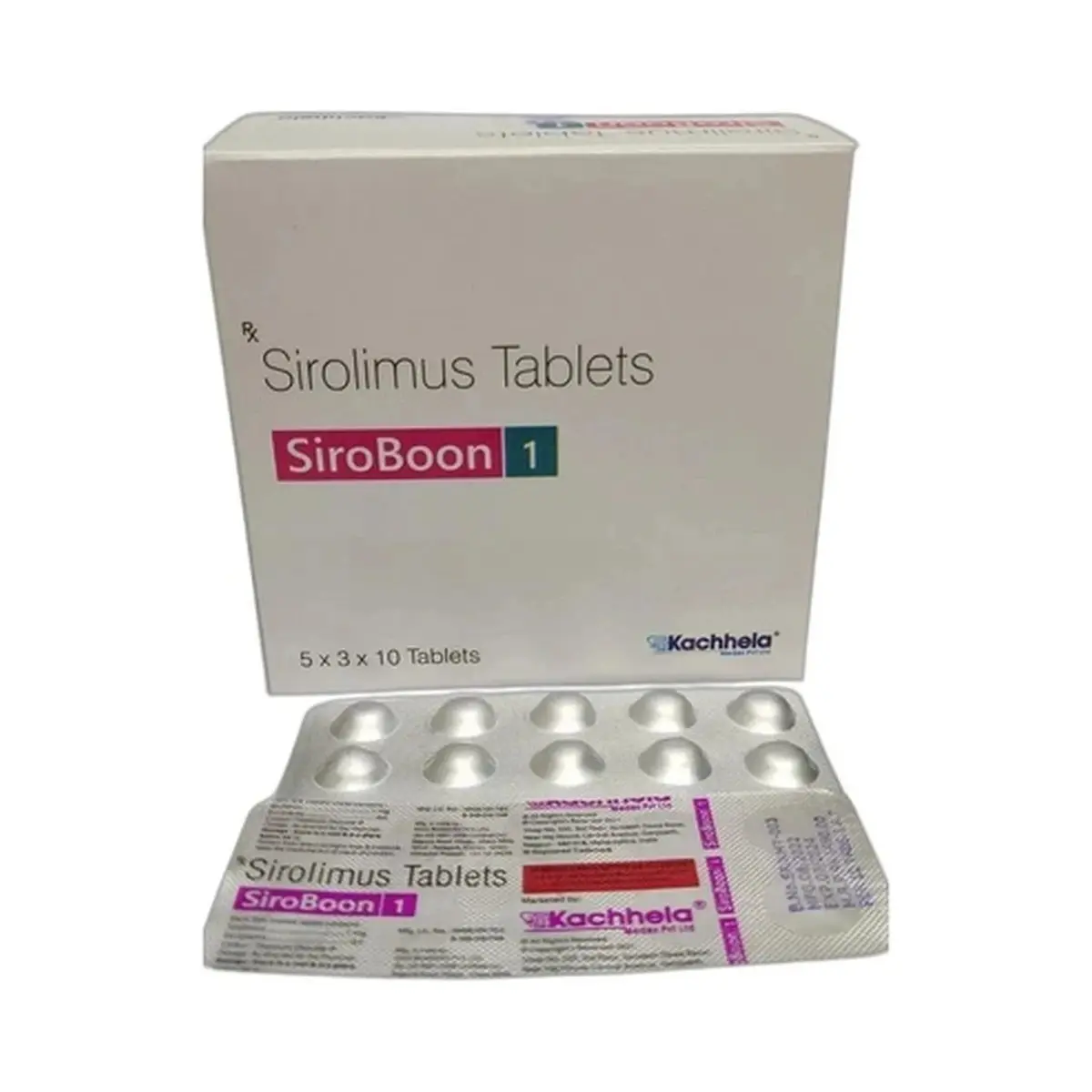
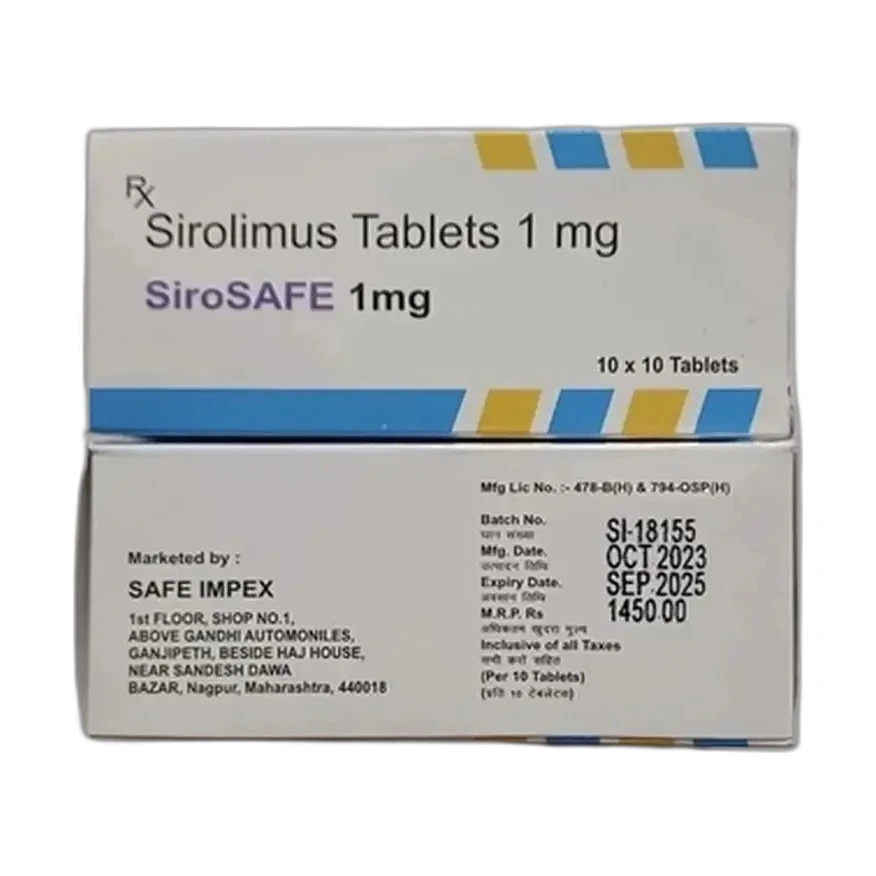
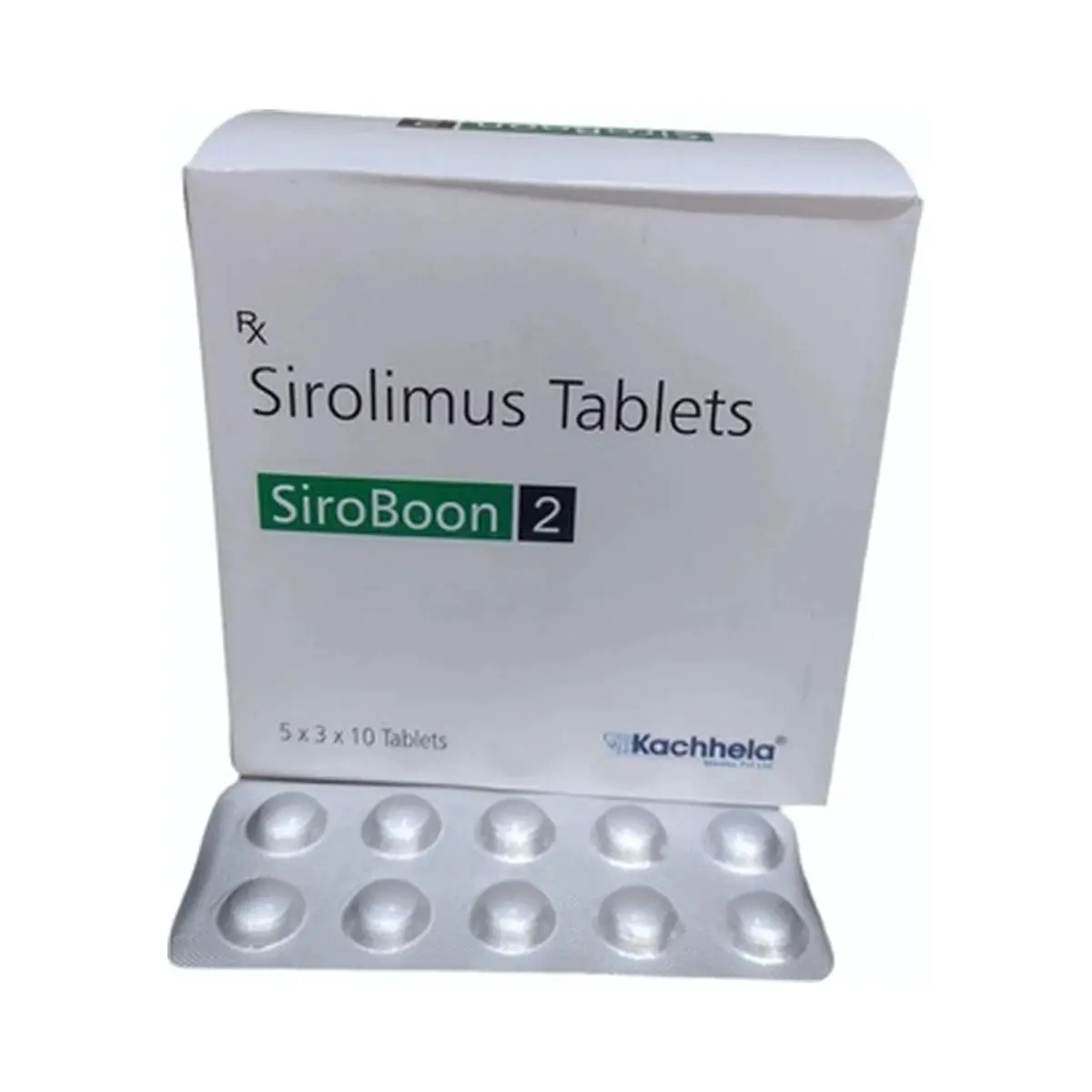
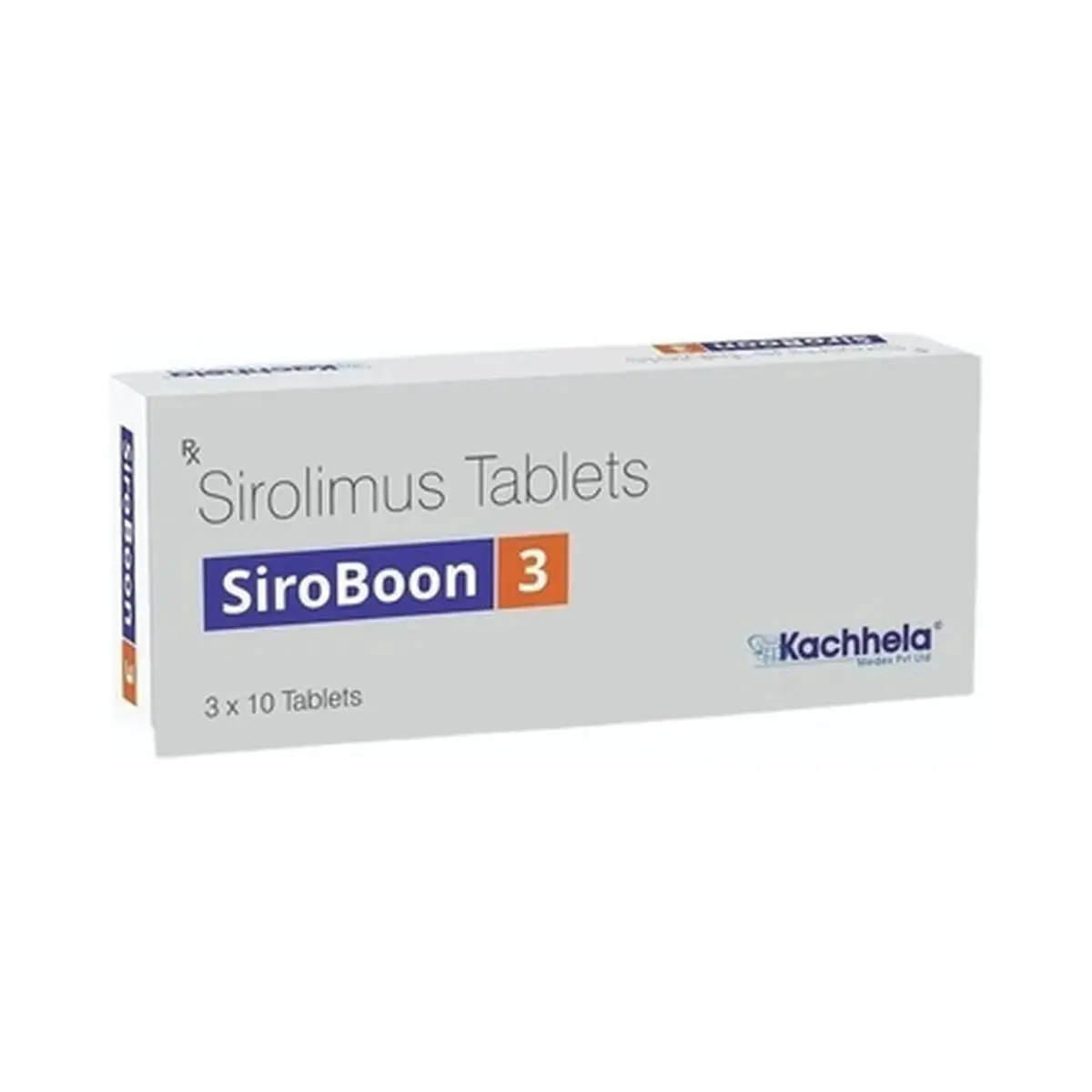
Siroboon (Sirolimus) 3 mg
Siroboon 3 mg is a product identified as containing sirolimus, an oral immunosuppressant medicine. Sirolimus is used in transplant medicine to help reduce the risk of organ rejection, especially after kidney transplantation.
Active Ingredient and Medicine Class
Active ingredient: sirolimus.
Medicine class: mTOR inhibitor, also called a proliferation signal inhibitor or immunosuppressant.
Sirolimus suppresses immune-cell activation and proliferation, which is why it is used in transplant-related immunosuppression.
Established Medical Uses
Official prescribing information supports sirolimus for prophylaxis of organ rejection in patients receiving renal transplants. U.S. labeling also states that use is not recommended in liver or lung transplant patients. Published reviews and clinical studies describe its role as part of transplant immunosuppressive regimens, mainly in kidney transplantation.
How It Works
Sirolimus binds to an intracellular protein and inhibits the mTOR pathway, which helps control T-cell and other immune-cell growth signals. By slowing this response, it reduces the immune system’s attack on a transplanted organ.
Important Safety Information
Sirolimus carries a boxed warning for immunosuppression, with increased susceptibility to infections and a possible increased risk of lymphoma and other malignancies. It should be used by clinicians experienced in transplant immunosuppression.
Important interaction risks include strong CYP3A4 and P-gp inhibitors or inducers, which can raise or lower sirolimus exposure. Examples listed in labeling include azole antifungals, certain macrolide antibiotics, and rifampin/rifabutin. Grapefruit juice should be avoided because it can increase sirolimus levels. Sirolimus is also associated with clinically important interaction issues when used with cyclosporine and other transplant medicines.
Possible Side Effects
Commonly reported adverse effects include hyperlipidaemia, mouth ulcers, myelosuppression or cytopenias, increased creatinine, diarrhoea, oedema, rash, and delayed wound healing. More serious reactions may include severe infection, thrombocytopenic or haemolytic disorders, proteinuria, interstitial lung disease or pneumonitis, and other transplant-related complications.
Scientific Evidence
Peer-reviewed reviews and clinical studies show that sirolimus-based regimens can reduce acute rejection in kidney transplantation, particularly as part of combination immunosuppression. The evidence also shows that its safety profile and drug-interaction burden are important limitations, and that outcomes depend strongly on the transplant context and accompanying medicines.
Medical Information Notice
This summary is an educational overview based on sources available at the time of review. It does not replace the official patient leaflet, product label, or assessment by a qualified healthcare professional.
Medical Sources
- FDA: RAPAMUNE (sirolimus) Highlights of Prescribing Information — https://www.accessdata.fda.gov/drugsatfda_docs/label/2021/021110s086lbl.pdf
- DailyMed: SIROLIMUS tablet, film coated — https://dailymed.nlm.nih.gov/dailymed/drugInfo.cfm?setid=6a85ad01-8144-4d9c-e053-2991aa0a4f85
- Zhao DQ, Li SW, Sun QQ, et al. “Sirolimus-Based Immunosuppressive Regimens in Renal Transplantation: A Systemic Review.” Transplantation Proceedings, 2016 — https://pubmed.ncbi.nlm.nih.gov/26915834/