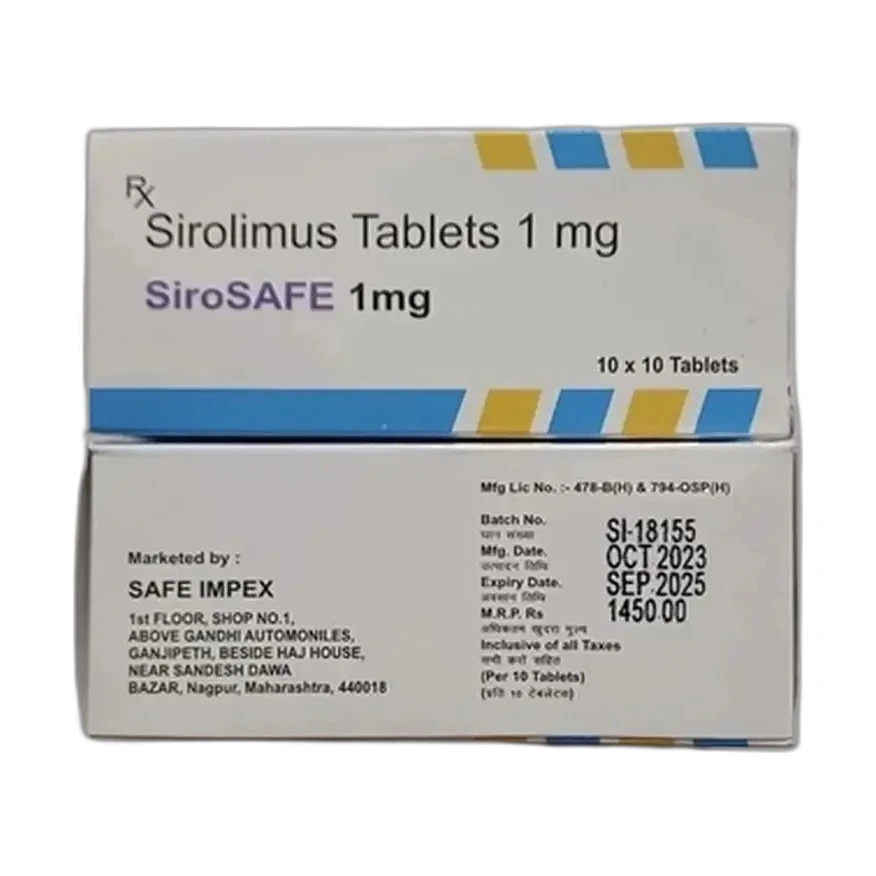
Description
Sirosave (Sirolimus) 1 mg
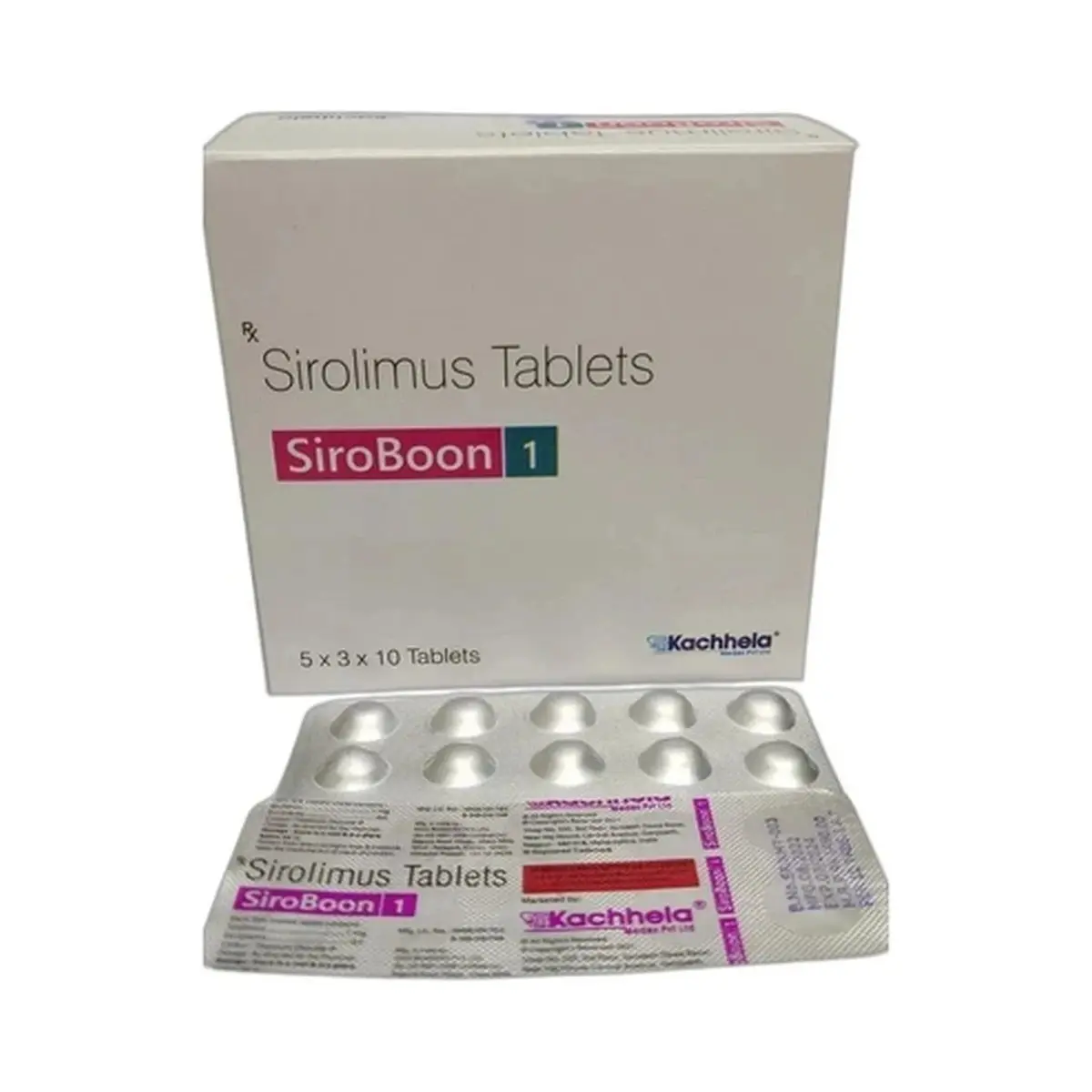
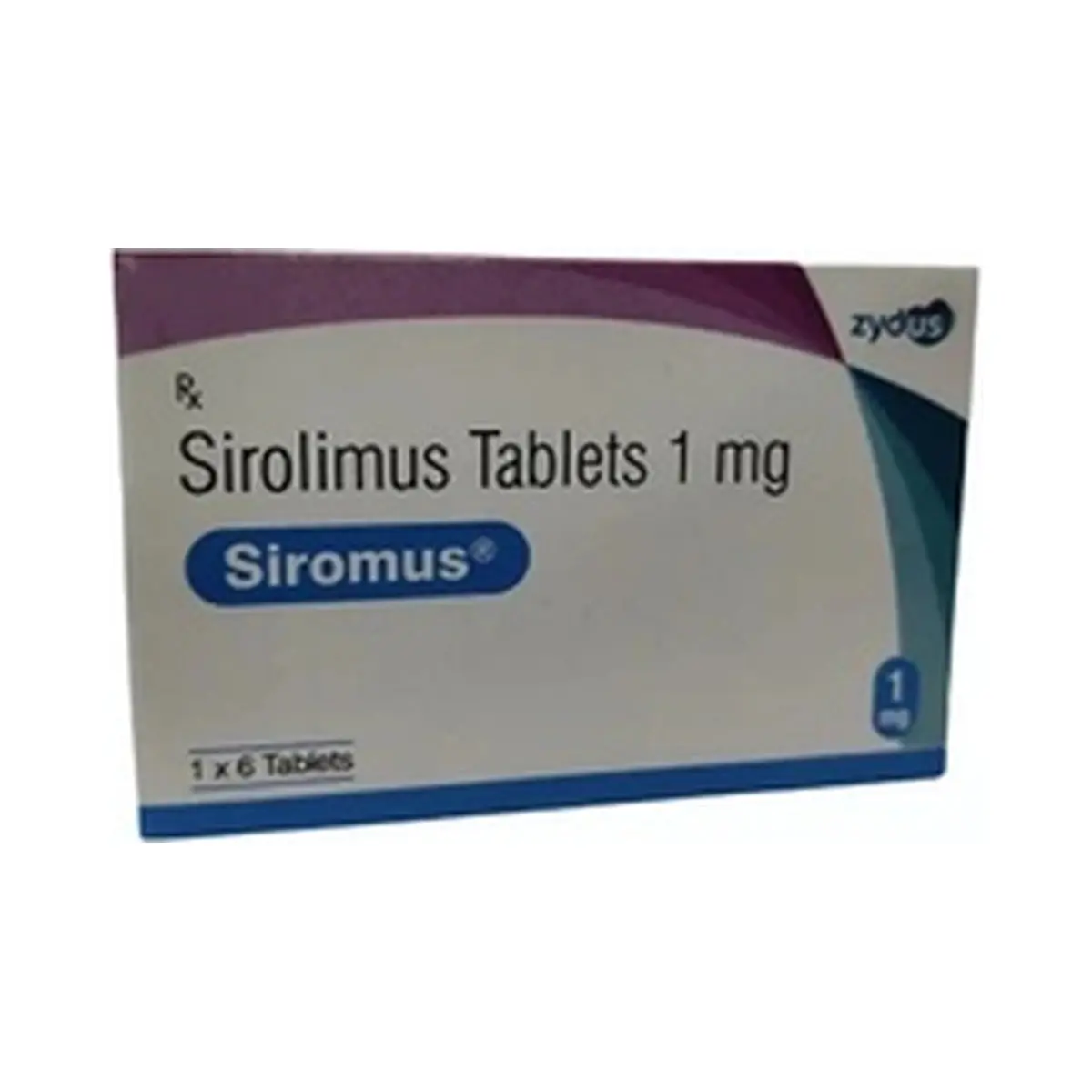
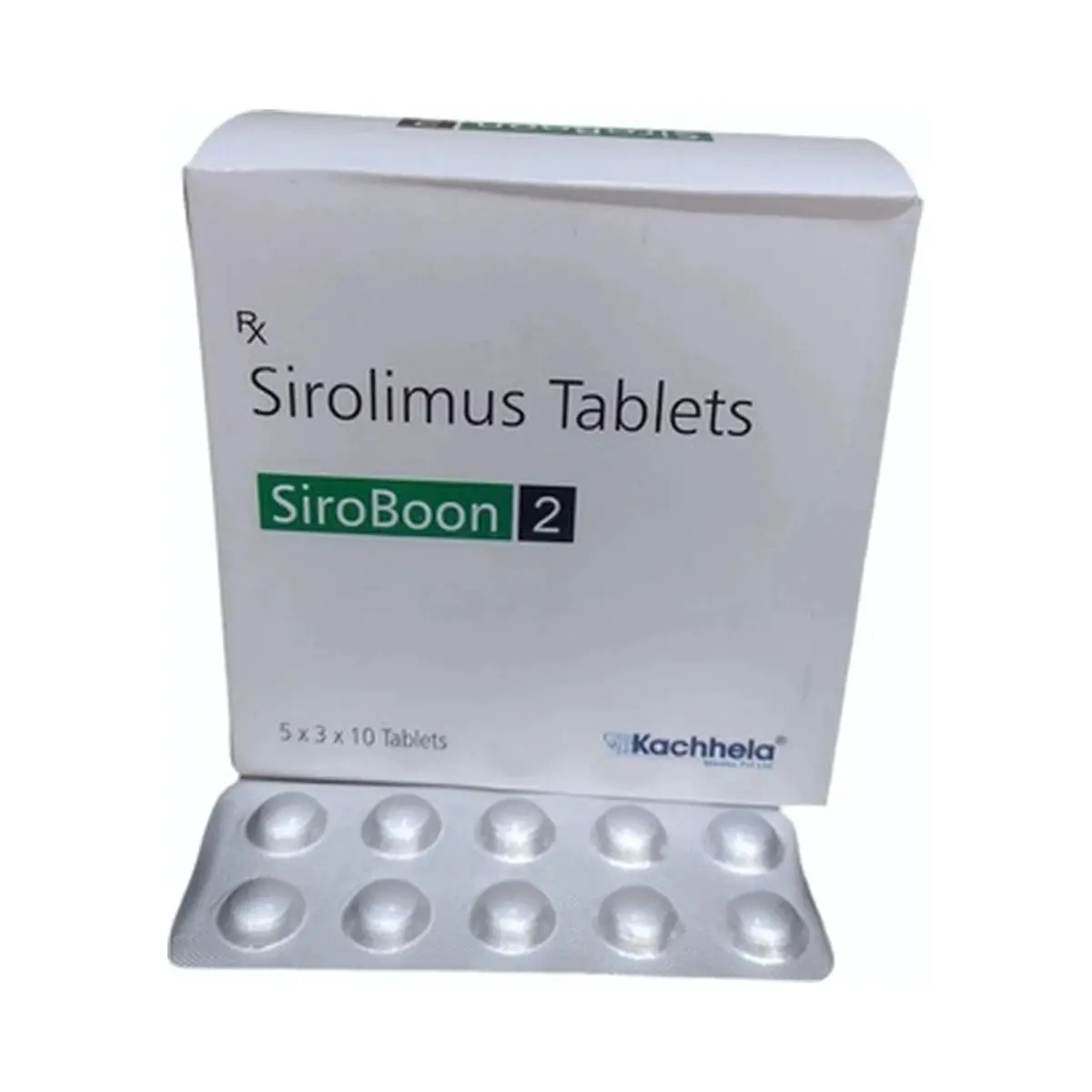
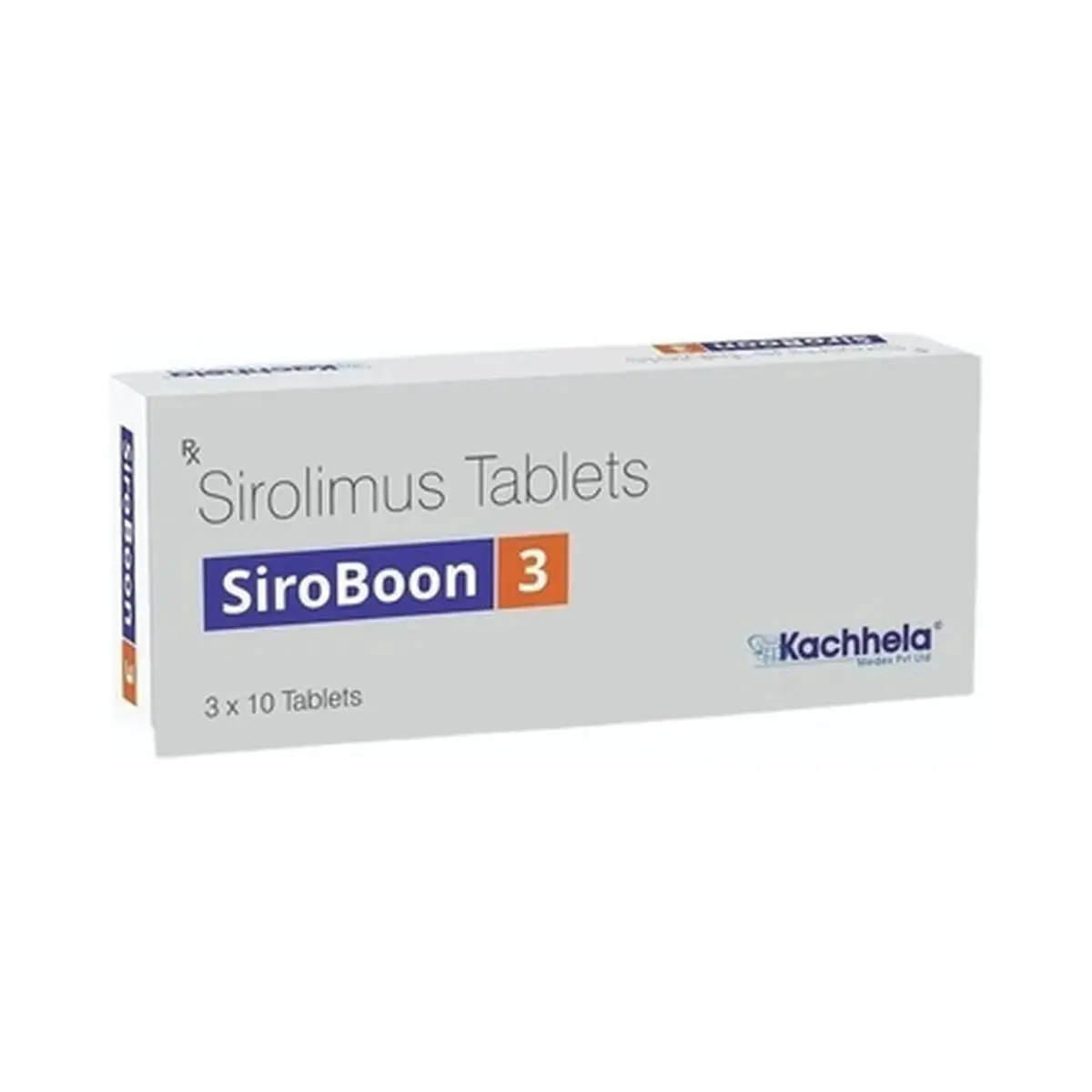
Sirosave 1 mg is a branded oral sirolimus tablet. Sirolimus is an immunosuppressant used in transplant medicine to help prevent organ rejection. It is a prescription medicine with important safety considerations and significant drug interaction potential.
Active Ingredient and Medicine Class
The verified active ingredient is sirolimus, also known as rapamycin. It belongs to the mTOR inhibitor class of immunosuppressive medicines. Sirolimus is described in official labeling as an immunosuppressant for use after kidney transplantation.
Established Medical Uses
Official prescribing information for sirolimus tablets identifies its established use in kidney transplant recipients to prevent organ rejection, typically in combination with other immunosuppressive medicines. Clinical reviews and trial summaries in PubMed support its role in renal transplantation, while also noting that its use is limited by adverse effects and interaction concerns.
How It Works
Sirolimus works by binding to an intracellular protein and inhibiting the mammalian target of rapamycin (mTOR). This reduces activation and proliferation of T cells and B cells, which are key parts of the immune response involved in graft rejection.
Important Safety Information
Sirolimus should not be used in people with a known hypersensitivity to sirolimus. Official labeling warns about serious risks including lymphoma and other malignancies, severe infections, delayed wound healing, edema, mouth inflammation, blood count abnormalities, lipid increases, proteinuria, and pulmonary toxicity. It also has clinically significant interactions with medicines that affect CYP3A4 and P-glycoprotein; strong inhibitors and inducers can change sirolimus exposure and may require avoidance or careful management. Live vaccines are generally avoided in immunosuppressed patients. Sirolimus is not established for liver transplant immunosuppression and is not recommended for that use in FDA labeling.
Possible Side Effects
Commonly reported adverse effects include stomatitis, diarrhea, abdominal pain, nausea, swelling, headache, acne, rash, upper respiratory tract infection symptoms, joint or muscle pain, anemia, low platelets, elevated cholesterol, and elevated triglycerides. More serious reactions can include serious infection, lung toxicity, delayed healing, kidney-related complications, and malignancy-related effects.
Scientific Evidence
Peer-reviewed reviews and clinical studies show that sirolimus can reduce rejection risk in kidney transplantation, but its overall clinical use is constrained by tolerability and safety issues. Comparative reviews also note that it is not clearly superior to calcineurin-inhibitor-based strategies for all outcomes, and adverse-effect burden remains an important limitation.
Medical Information Notice
This educational summary is based on sources available at the time of review and does not replace the official patient leaflet or assessment by a qualified healthcare professional.
Medical Sources
- U.S. Food and Drug Administration: RAPAMUNE (sirolimus) Highlights of Prescribing Information. View source
- DailyMed: SIROLIMUS tablet. View source
- Vasquez EM et al. “Sirolimus: a new agent for prevention of renal allograft rejection.” American Journal of Health-System Pharmacy, 2000. PubMed